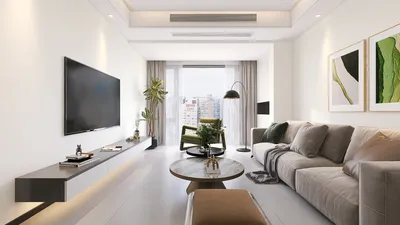


Butterfly-themed decor can be both elegantly understated and vibrantly eye-catching. Personally, I prefer a layered design approach—incorporating color, patterns, lighting, and texture—to create a timeless ambiance rather than one that feels overly themed. By carefully selecting materials, lighting, and ergonomic elements, you can transform this motif into a serene daily environment that is both livable and easy to upkeep. Visual comfort plays a crucial role in both home and workplace settings; the Illuminating Engineering Society recommends ambient lighting levels of 300-500 lux for living spaces and 500-750 lux for task areas to minimize eye strain. To support well-being and daylight integration, the WELL v2 standards emphasize glare control and personal lighting adjustments as essential features for comfort and circadian health, especially when incorporating reflective butterfly elements or metallic finishes.
Color psychology further backs the use of a butterfly color palette. According to Verywell Mind, blues can alleviate stress and foster a sense of calm, whereas greens are linked to balance and renewal—perfectly complementing soft butterfly designs. In spaces focused on productivity, warm neutral tones can help ground the environment, steering clear of overstimulation. When planning your butterfly-inspired gallery wall or furniture layout, utilizing a room design tool like Homestyler can assist in exploring proportions, pathways, and focal points prior to making any purchases.
Establishing a Cohesive Color Palette: Pastels, Nature-Inspired Neutrals, and a Striking Accent
Butterflies create intricate color narratives; think of hues such as dusty lilac, soft blue, gentle sage, and cloud pink, all anchored by warm clay, stone, or cocoa neutrals that echo natural elements like forest floors and tree bark. I aim to use 70-75% of the room in calming tones, 20-25% in moderate hues, and leave 5-10% for a vivid accent—perhaps citrine, coral, or peacock blue—that catches the eye through artwork or an accent furniture piece. It's wise to keep high-chroma accents off large walls to avoid visual burnout; instead, textiles and decor can be incorporated for a flexible layering effect.
Layering Patterns with Care
Butterfly prints can easily become overwhelming if used excessively or repetitively without a sense of rhythm. I advocate for a standout print—like a large-scale butterfly wing design or an extensive botanical mural—paired with smaller patterns (such as snow-dot sheers or fine stripes). Limit prominent butterfly designs to two specific areas (for instance, bedding and wall art) and enhance the look with adjacent natural patterns, like foliage or grasses, to maintain a sophisticated theme without cluttering the visual space.
Opt for Gentle Lighting: Emphasizing Glow Over Glare
Butterflies are wonderfully showcased in soft, diffused lighting. Aim for layered lighting solutions: a warm-dim pendant light (2700-3000K), wall wash lights to ease the visual surfaces, and desk or vanity task lamps. Minimize glare with matte finishes, fabric lampshades, or prismatic diffusers; glossy butterfly prints can create sharp reflections in high-lux scenarios. If displaying metallic details (like gold leaf accents), position them away from direct light sources and let reflected ambient light maintain a soft glow. Referencing ambient light targets from the IES can help you achieve comfortable conditions for reading and crafting.
Design a Focal Point with Butterfly Artwork or Murals
One prominent mural or well-curated gallery wall can define your visual narrative. I like to combine various media—watercolor butterflies, botanical photography, and ethically sourced or faux pressed specimens within shadow boxes. Consistent framing (in black, brass, or light wood) and appropriate alignment with seating areas are key. Using a design tool like Homestyler can help you plan the spacing and height for a refined, intentional collection.
Textiles that Flutter: Sheers, Quilts, and Drapery Layers
The subtle movement of textiles can echo the grace of butterfly flight. Incorporate light sheers with micro-dot patterns, a quilt featuring stitched wing designs, and a soft velvet throw in a grounding color. For drapery, combining a blackout liner for sleep quality with a translucent layer to diffuse light is ideal. Choosing diverse textures—like breathable linen, subtly shiny cotton sateen, and cozy bouclé—ensures the room feels rich without overwhelming visuals.
Select Nature-Inspired Furniture Designs
Furniture with gentle curves and slim profiles can suggest organic shapes without being too literal. I opt for rounded nightstands, scalloped headboards, or softly curved desks. It's important to maintain efficient space usage: ensure 30-36 inches of clear pathways around beds and desks to allow for smooth movement. For smaller spaces, glass or acrylic side tables can keep the butterfly motif feeling light and airy due to their reduced visual bulk.
Implement Butterfly-Inspired Color Psychology
In bedrooms, favor soothing blues and greens paired with soft pinks to promote tranquility and intimacy. In children's rooms, a vibrant coral or cheerful yellow can encourage joy and confidence; complement this with neutral storage solutions to prevent sensory overload. Cool tones work well in reading nooks to enhance focus, while a warm task lamp can help maintain an emotionally balanced palette.
Achieve Acoustic Comfort with Soft Layers
Just as butterfly wings flutter silently, your space should also retreat into a tranquil ambiance. Use soft textiles—medium-pile rugs, upholstered furniture, and fabric pinboards—to absorb sound and lessen echoes. Position bookshelves or fabric artwork on parallel walls to disrupt sound reflections. If a butterfly mural is installed on a hard surface, counterbalance it with a fabric headboard or a hanging tapestry on the opposite wall.
Choosing Materials with Sustainability in Mind
I prefer materials like FSC-certified wood, water-based finishes, and OEKO-TEX certified textiles. Utilizing botanical dyes or low-VOC paints keeps the color palette healthy. When it comes to butterfly-themed elements, avoid single-use plastic accents; instead, select durable metal or ceramic features that stand the test of time. Natural fiber rugs (like jute or wool blends) can ground pastel color schemes with an earthy touch.
Nature's Companions: Incorporating Plants and Natural Elements
Enrich the butterfly design with plants that attract butterflies—think lavender, mint, or even faux options if you prefer lower maintenance. A terrarium boasting moss and quartz introduces an inviting micro-landscape. Choose matte ceramic planters to prevent glare, allowing the leaves to take center stage as the primary texture.
Storage Solutions that Align with the Theme
Keeping storage enclosed helps maintain visual calm. Opt for rattan baskets, linen bins, or painted shaker cabinets; label them discreetly. Reserve open shelving for displaying curated butterfly-themed objects—books, art pieces, and a few sculptural accents—to ensure the design does not become cluttered.
Designing Cheerful Kids' Rooms: Durability Meets Joy
In children's spaces, create a butterfly motif that is both dynamic and functional. Select washable duvet covers, removable wall decals, and a distinct rug featuring wing motifs. Ensure play areas are free of obstructions and that all furniture has rounded edges. Task lighting with dimmer switches allows for seamless transitions from daytime activities to bedtime routines.
Guest Rooms: A Touch of Subtle Elegance
For guest rooms, maintain a restrained approach to the butterfly theme—opt for two prints, one decorative throw, and a gentle mural or botanical sketch. Offer layered lighting for reading and a small bench with a butterfly-embellished tray to welcome guests. Neutral suitcases and personal items will blend harmoniously provided the overall palette is calm and cohesive.
Crafting the Layout for Comfort
Comfort flows from a well-designed layout. Choose one definitive focal wall, keep paths for movement intuitive, and align seating with the flow of natural light. Utilizing a room design tool like Homestyler allows you to experiment with different bed and desk placements before making a final decision, helping you visualize how light, sightlines, and artwork will engage throughout the day. It proves especially helpful for managing glare from glossy butterfly prints and establishing the ideal distance from the bed to any feature wall.
Refreshing Seasonal Decor and Styling
Changing accents to align with the seasons keeps the butterfly theme feeling fresh: spring pastels and pressed flowers, summer citrus colors and light sheers, autumn's russet tones with rich textures, and winter's pearly shades accompanied by candlelit warmth. Maintaining a base of neutral linens allows for effortless transitions.
Tips for Maintenance and Longevity
Select murals printed with fade-resistant inks and consider UV-protective window treatments if your space receives strong sunlight. Dust shadow boxes and picture frames monthly, and wash textiles seasonally. Focusing on durability will ensure that the butterfly theme remains charming rather than becoming fragile over time.
Frequently Asked Questions
Utilize abstract or botanically inspired patterns, limiting literal designs to one or two focal points, and anchor your scheme with elegant neutrals as well as high-quality materials like linen and oak.
Soft blues and greens combined with muted pinks are recognized for their ability to reduce stress and foster balance; pairing them with warm neutrals enhances comfort.
For sleeping areas, a warm light temperature of 2700-3000K feels restorative, while task zones can benefit from slightly brighter temperatures in the 3000-3500K range for clarity. You should strive for 300-500 lux of ambient light, increasing to 500-750 lux for activities like reading or crafting.
To prevent glare, employ diffused lighting fixtures, matte glass frames, and arrange artworks to stay out of direct sunlight. Wall washers or bouncing light off ceilings can help in achieving consistent illumination.
Establish a focused central axis, maintain consistent spacing for frames, and mix various media for depth. Prior to starting any installations, use a design planner to refine sightlines and spacing.
Removable decals are an excellent choice—they’re low-commitment and can be easily swapped out. Ensure quality adhesive is used to avoid damage to your paint and maintain a cohesive color scheme.
Favor lighter color palettes, use mirrors to enhance depth, and choose smaller motifs. Opt for slim-legged furniture and allow for 30-36 inches of clear space for movement to keep the room airy and open.
Select materials such as FSC-certified wood, ceramic, linen, and wool. Steer clear of disposable plastics; instead, choose durable metals or artisanal ceramics for lasting butterfly accents.
Absolutely—opt for cooler hues that sharpen focus, include a warm task lamp, and keep motifs centralized to one wall or display. Make sure your setup is ergonomically sound and glare is effectively managed.
Incorporate layers of rugs, upholstered furniture, and textile art; disrupt parallel hard surfaces with bookcases or curtains to soften echo and maintain a peaceful environment.
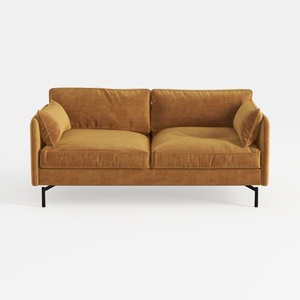
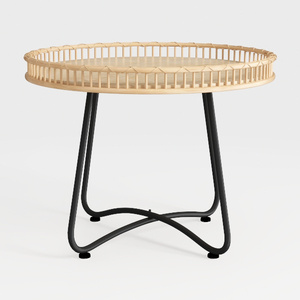
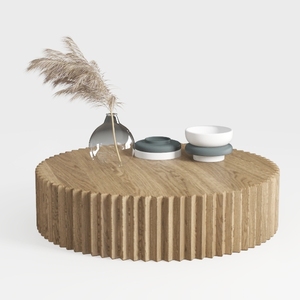
Homestyler is your go-to online home design platform, perfect for turning your interior design dreams into reality! With its user-friendly design tool, stunning 3D renderings, and a wealth of DIY video tutorials and projects, you can effortlessly create and personalize your space—no prior experience needed!
지금 무료로 디자인하세요
































