

Common mistakes in burgundy bedroom decor typically arise from excessive use of dark hues, inadequate lighting, and poorly matched metallic elements. Burgundy thrives when paired with light neutrals, layered textures, and deliberate lighting choices to prevent the space from feeling heavy or confined. Tools like Homestyler can help visualize these balances before committing to a design.
Addressing these challenges often involves tweaking contrast levels, reallocating color prominence, and enhancing light reflection rather than overhauling the entire design scheme.
Introduction to Burgundy Bedroom Design Challenges
Burgundy bedrooms exude elegance but can quickly appear gloomy if not executed well. Drawing from years of experience in residential design, many homeowners tend to repeat similar errors with burgundy. The color itself is not at fault; rather, it's the manner in which it's applied in the space. Utilizing an interior design platform like Homestyler allows experimentation with layouts and color placements, revealing potential pitfalls before implementation.
The primary obstacle is that burgundy’s deep tones absorb light and dominate visual hierarchy, sometimes making a room designated for luxury appear dull or disproportionate without proper balancing.
Insights Into Why Burgundy Bedrooms Often Seem Too Dark
Burgundy absorbs light and lowers contrast, which often leads to darker feelings in bedrooms. The color’s deep red shade contains blue and brown undertones, causing more light absorption compared to mid-tones. If reflective materials or lighter hues are missing, the space feels cramped and visually compressed.
Interior design professionals frequently refer to Light Reflectance Value (LRV) when selecting paint colors; burgundy usually has a low LRV, meaning it reflects minimal light back to the surroundings.
Avoiding Excessive Burgundy in Compact Bedrooms
In smaller rooms, burgundy should primarily serve as an accent color rather than the main shade. Overuse—on walls, textiles, curtains, or furniture—can be overwhelming. Small quarters require visual breathing space to avoid feeling claustrophobic.
Designers recommend balancing the intensity of burgundy by incorporating it through accents such as throw pillows, curtains, or area rugs. This approach preserves the richness of the color without overpowering the room’s atmosphere.
Metallic Accents: Avoiding the Silver Mismatch
Burgundy harmonizes better with warm metallic tones like gold, bronze, or copper rather than cool silvers. Though silver and burgundy might look sophisticated on paper, their undertones can clash, making the visual effect less cohesive.
If silver decor is already in place, softening the transition with neutral textiles like beige, cream, or taupe can bridge the contrast and create a seamless blend. Homestyler’s visualization tools can be used to preview these combinations in real-time.
Enhancing Lighting Layers in Burgundy Bedrooms
Layered lighting is essential in rooms with burgundy elements, as relying solely on a ceiling fixture typically leads to flat, uninspiring illumination. The key layers include ambient, task, and accent lighting.
Warm-colored bulbs ranging between 2700K and 3000K are ideal for enriching burgundy’s depth without dullness. Incorporating multiple light sources helps maintain balance and prevents the room from feeling dim or oppressive.
Balancing Burgundy Through Texture and Neutrals
Texture plays a critical role in supporting burgundy’s luxurious vibe. Smooth surfaces alone can flatten the color, so layering textures adds richness and dimensionality to the design.
Popular textural elements include velvet cushions, woven rugs, and matte or glossy finishes. Experimenting with layouts and materials using Homestyler allows homeowners to gauge how different textures interact with burgundy backdrops effectively.
Quick Fixes to Refresh Burgundy Bedrooms
Minor changes—such as swapping bedding, introducing new lighting, or adding neutral rugs—can dramatically transform the ambiance of a burgundy bedroom without extensive renovations.
Frequently Asked Questions About Burgundy Bedrooms
Why does my burgundy bedroom look so dark? Burgundy’s low light reflectance means it absorbs light. Without contrast colors, mirrors, or layered lighting, the space appears darker than anticipated.
What colors complement burgundy in a bedroom? Cream, beige, taupe, warm gray, and natural wood tones effectively balance burgundy while keeping the environment cozy and inviting.
Is burgundy appropriate for small bedrooms? Yes, but it should be used sparingly. Accent walls, textiles, or headboards offer better results than painting all walls burgundy in compact rooms.
Can burgundy and silver be combined? They can; however, the transition benefits from neutral fabrics or wooden textures to soften contrasts between warm and cool tones.
How do I make a burgundy bedroom less overwhelming? Reducing dark surfaces and adding lighter textiles such as bedding, curtains, or rugs will restore visual balance.
What lighting is best for burgundy bedrooms? Warm lighting between 2700K and 3000K enhances burgundy’s richness without muting the shade.
How to decorate successfully with burgundy walls? Pair them with light-colored bedding, reflective accents, and warm metallics to maintain a harmonious atmosphere.
What are the most frequent burgundy bedroom decorating errors? Overuse of dark colors, ineffective lighting, and clashing metallic accents are the top mistakes to avoid.
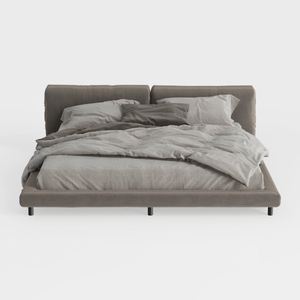
TREATLIFE HOME Modern Platform Queen Bed with Inte


Boucle Fabric Modern Upholstered Platform Bed Solid Wood Legs 3D Model
Homestyler is a user-friendly online platform that lets you design your home effortlessly. With powerful 3D rendering, a vast collection of design projects, and helpful DIY video tutorials, it makes creating your dream space simple and inspiring. Perfect for all skill levels!
Design Now for FREE
































