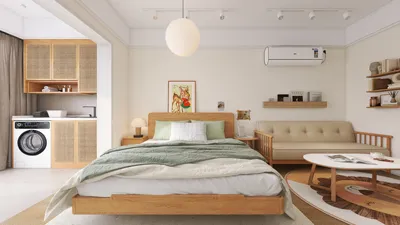


When it comes to designing bungalow living rooms, my approach focuses on creating serene and restorative environments where natural light, proportions, and tactile materials play a pivotal role. The aim is to harmonize intimate layouts with ample comfort—ensuring clear pathways, inviting seating areas, and durable finishes that withstand daily use. In these single-level, low-profile homes, the living room serves as the social nucleus, necessitating a design that facilitates conversation, versatile lounging, and cherished moments of solitude. Engaging with a tool like Homestyler can enhance this design process, allowing for previews of different configurations.
Comfort originates from thoughtful ergonomics and the use of appropriate lighting. According to WELL v2 standards, living areas should have ambient light levels around 200–300 lux, while task lighting should reach 300–500 lux to make reading enjoyable without straining the eyes. In alignment with guidance from the Illuminating Engineering Society (IES), I suggest targeting similar lux levels for living spaces, emphasizing glare reduction and contrast management to minimize visual fatigue. The palette of colors also significantly contributes to mood: studies have shown that soft, muted greens and warm neutral tones are effective in reducing stress, which aligns seamlessly with the intended bungalow aesthetic.
The placement of seating is crucial in enhancing comfort. Research by Steelcase highlights that variety in posture improves comfort and productivity; while the home environment differs, this principle still applies—providing a combination of upright chairs, deep lounges, and occasional perches is beneficial. For optimal conversation flow, I maintain distances of approximately 6–8 feet between seating, ensuring clear pathways of at least 36 inches. Coffee tables are ideally positioned 16–18 inches from sofa seats to facilitate easy access without awkward positioning. These design principles become particularly effective within the compact spaces typical of bungalows.
Designing with proportion and rhythm in mind is essential for bungalow living rooms. Most feature functional rectangular layouts, and I typically start by establishing a primary axis, often oriented with the sofa facing a focal wall or fireplace, complemented by a secondary cross-axis for accent chairs or a reading nook. Visual rhythm is achieved through repetitive design elements such as wood slat patterns, textile textures, or trim details. It's important to create gentle step-ups in furniture heights from low ottomans to medium sofas and taller bookshelves, thus avoiding jarring shifts that could overcrowd the room.
If you're experimenting with various seating arrangements, utilizing a room layout planner can help assess flow before any physical reconfigurations. Tools like these allow you to visualize traffic patterns, seating distances, and focal points for informed decision-making.
The atmosphere of a bungalow should also reflect through its lighting. Start with natural daylight—choose breathable window treatments such as linen sheers or light-filtering shades to soften harsh sunlight while maintaining brightness. Incorporate task lighting beside reading areas, like a floor lamp with a warm LED (3000K–3500K, CRI 90+) that is inviting and precise for nighttime reading. Further, create an ambient glow using shaded fixtures or wall sconces adjusted to 20–40% brightness for movie evenings. Strategically placing lights out of direct sightlines helps control glare, and opt for matte table surfaces to minimize reflections.
In terms of color psychology and material choices, I often favor warm neutrals—think sandy shades, rich mushrooms, and subtle oatmeals, balanced by mid-tone woods. Introducing soft greens or muted blue-grays enhances serenity. Low-intensity color schemes minimize mental distractions and allow different materials to blend harmoniously. Incorporate one accent with deeper color—be it a rug edge, decorative pillows, or artwork—to create gentle contrast.
Materials should be chosen for their comfort underfoot and durability for everyday life. Wool rugs provide both resilience and sound absorption. Solid woods or high-quality veneers add warmth and character, while avoiding cheap, shiny finishes that clash with the serene bungalow vibe is crucial. For upholstery, performance fabrics such as bouclé, twill, or linen blends deliver texture without hassle. For those prioritizing sustainability, selecting FSC-certified woods and assessing textile durability ratings can extend product life.
Acoustic comfort is another essential consideration in bungalow design. Since sound travels efficiently in single-level layouts, softening surfaces at floors, walls, and ceilings is key—dense area rugs, lined curtains, and plush seating can help absorb sound. Utilizing bookcases filled with diverse contents can break up echo patterns while enhancing visual appeal. It’s vital to balance hard surfaces, like expansive stone features or glass, with textiles to prevent a 'hard room' effect that hampers conversation.
For a seating strategy focused on conversation, I often recommend a single 84–90 inch sofa paired with two accent chairs instead of a bulky sectional, particularly in tighter spaces. Floating seating arrangements away from walls, even a few inches, enhances perceived space and movement. If a sectional is essential, opt for designs featuring low arms and slim silhouettes to maintain open sightlines. Additionally, a small swivel chair can be positioned on the edge of the seating for flexibility—it adapts well for TV watching, reading, or entertaining purposes without overcrowding the area.
Many bungalows traditionally center around a fireplace as a main feature. If you’re incorporating a television, avoid mounting it too high; ideally, aim for a screen height of approximately 42–48 inches above the floor based on seating height. If wall mounting isn’t feasible, consider a low console that centers on the primary axis, while maintaining tidy cable management to preserve the room’s tranquil atmosphere. A shallow mantel adorned with curated, low-profile decorations will keep sightlines unobstructed.
Storage solutions are crucial in maintaining an organized and functional space. Clutter detracts from the comfort of smaller areas. Built-in niches or freestanding cabinets with doors are perfect for storing media and toys out of sight. Employing trays on coffee tables can help manage remotes and coasters effectively. If the entryway flows into the living area, a slim console and basket designated for keys and mail works wonders in maintaining ambiance. I recommend side tables in the range of 22–24 inches for ideal alignment with typical sofa heights, allowing for easy reach.
Layering textiles adds vibrancy to a bungalow. Think of cozy throw blankets, cushions with a down-foam mix for comfort, and well-lined window treatments to prevent sun damage. Keep larger patterns subdued and opt for playful smaller details; a tranquil rug can serve as the foundation for richer textured pillows, bringing depth without overwhelming the space.
Before finalizing any arrangements, visualize a few layouts mentally: consider where natural conversations happen, where sunlight occupies your space at 4 PM, or where a child might want to play. Tools for layout simulation can further solidify estimations of clear pathways, optimal views of the garden, and appropriate distances for wall art—small observations that yield significant daily benefits.
Looking ahead to trends for 2024 and beyond, the emphasis lies on softness and comfort that cater to human needs: rounded furniture shapes, natural fibers, minimalist lighting with high CRI ratings, and layered neutral color schemes accented by distinct hues. Multifunctional designs—like swivel chairs, nesting tables, and adaptable storage units—are perfect for evolving household dynamics while avoiding visual chaos.
For effective ambient lighting, aim for a range of roughly 200–300 lux; when reading, 300–500 lux should provide clarity without eye strain. These suggestions align with WELL v2 guidelines and IES recommendations for living spaces.
Maintain a distance of 16–18 inches between the coffee table edge and sofa fronts. This spacing allows easy access to beverages and books while providing ample knee space.
Utilize warm-white LEDs with a color temperature of around 2700K–3000K for cozy evening lighting. For reading corner illumination, employing 3000K–3500K task lamps with a high CRI count offers clarity without harshness.
In terms of sound management, layering textiles effectively can drastically improve acoustics—think of dense area rugs, lined curtains, and cushioned seating to absorb sound reflections. A bookcase filled with varied contents can act as a natural sound diffuser, softening echoes in the space.
In compact rooms, opting for a single sofa alongside two accent chairs typically provides the best flexibility and circulation. Should a sectional be necessary, choose a design that is low-profile and float it slightly away from the walls for optimal flow.
Aim for continuous 36-inch pathways wherever possible. Between seating arrangements, a clearance of 24–36 inches is advisable to facilitate comfortable movement and clear legroom.
Durable materials such as wool rugs, solid woods, and performance upholstery (including bouclé, twill, and blends) strike a balance between durability and tactile comfort. Opting for matte finishes helps reduce glare in a space.
Position the TV screen about 42–48 inches from the floor based on the height of the seating, maintaining a low-profile aesthetic for mantle décor. If the TV and fireplace share a wall, ensure clear sightlines and avoid excessive height differences.
Absolutely—making use of a room layout simulator allows for the testing of various seating distances, clearances, and focal setups. This method provides quick validation of flow and comfort within the space.
Effective lighting control—achieved through dimmable layers of light that balance daylight management, task lighting, and ambient glows—helps shift the mood and functionality of the space throughout the day.
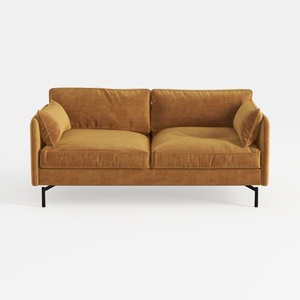
Modern Velvet Upholstered 2 Seater Sofa With Black Metal Legs 3D Model
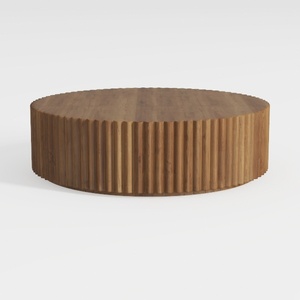
Minimalist Solid Wood Fluted Round Coffee Table 3D Model
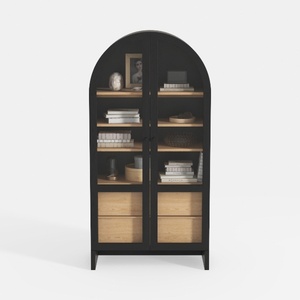
Modern Black Oak Arched Glass Display Cabinet 3D Model
Transform your home with ease using Homestyler! This innovative online design platform offers a user-friendly tool, stunning 3D renderings, inspiring design projects, and helpful DIY video tutorials. Whether you're a novice or a pro, Homestyler makes your design dreams a reality!
Design Now for FREE
































