


Having created various small elevated structures for both clients and my family, I can confidently say that building a tree house is one of the most fulfilling projects for any backyard. The foundation of success lies in treating the tree with care, applying sound construction principles, and executing detailed planning before taking any tools to the wood. Here’s a straightforward, builder-friendly approach that balances enjoyment with safety and respect for the environment, supported by tools like Homestyler to help visualize layouts.
Before initiating the project, outline specific objectives: how many people will use it at a time, what activities it will accommodate (such as playing, relaxing, or sleepovers), and seasonal weather considerations. Prioritizing safety is paramount in every aspect. Following the guidelines of the WELL v2 Building Standard, ensure handrail design and fall prevention strategies align with safe circulation principles; maintaining guardrails at or above approximately 42 inches for raised platforms is recommended as a preventive measure against falls. Moreover, adequate lighting is crucial; according to the Illuminating Engineering Society (IES), having about 100–300 lux ensures essential task visibility—certainly an essential feature when designing your tree house with the assistance of Homestyler, especially for nighttime use. Warm color options can engender comfort and energy, while cooler tones have a calming effect—an important concept to consider when selecting your tree house finishes.
Often overlooked is the significance of ergonomics in play structures. Research by Herman Miller on body posture emphasizes the importance of offering various heights and easy reach access; when designing ladders, consider a spacing of 10–12 inches between rungs for easy climbing, and target a ceiling height of 6.5 to 7 feet if the tree permits. Insights from Steelcase highlight that unimpeded circulation lowers the risk of accidents, a principle that should be applied by ensuring clear pathways of 24 to 36 inches around the tree trunk while avoiding any obstructions. This understanding keeps the project rooted in practical, human-centered designs rather than guesswork.
Site and Tree Selection
Select a robust, mature tree with well-distributed branches—options like oak, maple, and beech are preferred for their solid wood density and branching structure. Steer clear of trees exhibiting clear signs of disease, fungus, or substantial cavities. It’s wise to monitor the winds, sunlight patterns, and the presence of nearby structures. Your goal is to achieve filtered shade, minimal branch interference, and sufficient space for safe ground access.
Structural Strategy: Floating First, Fasteners Second
Acknowledge the natural movement of trees. A floating design supporting the platform reduces stress on the trunk and its branches. Whenever feasible, use independent posts placed near the tree rather than excessively weighting the branches. If you must affix to the tree, opt for substantial, specially designed treehouse attachment bolts (TABs), ensuring minimal penetration. Incorporate flexible spacers and slotted connections to accommodate movement and expansion.
Planning the Layout
Sketch multiple configurations: a single platform topped with a roof, a wraparound deck, or dual levels connected by a short ladder. Distribute weight evenly around the trunk and maintain clear load paths. In this planning phase, employing a room layout tool like Homestyler can be beneficial for visualizing the size of the platform, ladder placement, and positioning of guardrails. Consider the spatial ratios; platforms typically range from 6x8 to 10x12 feet. Position heavier loads nearest to supports, and avoid extending cantilevers beyond 2 to 3 feet without engineered support.
Materials: Durable, Non-Toxic, and Weather-Smart
Opt for rot-resistant woods such as cedar or pressure-treated pine (with ACQ-based treatments, avoiding older CCA compounds). For decking, composite boards offer longevity; ensure proper ventilation underneath to combat moisture buildup. Use exterior-grade, hot-dip galvanized, or stainless steel fasteners to prevent corrosion. Choose lightweight metal or polycarbonate panels for roofing to decrease load while efficiently managing rainwater. Select low-VOC finishes to safeguard the wood without harmful off-gassing, considering that children will use the space frequently.
Load Calculations and Safety Margins
Plan for live loads of 40–60 pounds per square foot on the platform, suitable for typical residential uses; higher load limits can be essential for tree houses due to play activities. Utilize 2x8 or 2x10 joists contingent upon the span, supplemented with joist hangers and cross bracing to resist racking. Implement diagonal knee braces between posts and beams to greatly enhance overall stability. Maintain guardrails at 42 inches with vertical balusters not exceeding 4 inches apart to prevent falls, adhering to well-established residential safety standards.
Access: Ladder, Stair, or Ramp
A vertical ladder saves space but requires careful consideration of rung spacing and handholds. An alternating-tread stair is effective for moderate heights while minimizing the footprint. If the tree house is intended for younger children, consider a gradual ramp or stairs featuring risers of 7 to 7.5 inches and treads of 10 to 11 inches. Ensure a landing and self-closing gate at the platform entrance to prevent unintended exits.
Platform Framing and Attachment
Construct the main framework on solid ground to ensure precision, then elevate it onto posts/TABs. Achieving level measurements can be tricky around a living trunk; a laser level and outdoor-compatible shims can be invaluable for accuracy. Allow at least 2 inches of clearance around the trunk to facilitate growth—more for fast-growing tree varieties. Avoid tight girder rings that impede trunk expansion.
Weatherproofing and Drainage
Install flashing where the roof meets the walls, and factor in drip edges. Design the deck with a slight slope (1/8 inch per foot) to encourage water runoff. Create ventilation within the enclosure to eliminate moisture entrapment; screened openings on two sides can maintain airflow without sacrificing insect barriers. Opt for UV-resistant polycarbonate windows for lightweight durability.
Lighting, Acoustics, and Comfort
Incorporate low-voltage LED lights with warm color temperatures (2700–3000K) to foster a cozy ambiance while ensuring enough visibility for tasks—keeping in mind the IES recommendations of 100–300 lux to avoid glare with shielded fixtures. To enhance acoustics, utilize soft materials such as cork panels, fabric cushions, and outdoor rugs to dampen noise from play, creating a serene interior. Apply color psychology principles by adding orange accents to energize the exterior and using greens and blues within to promote calmness. These decisions greatly affect the mood within the tree house and help mitigate overstimulation.
Safety Details and Ongoing Maintenance
Round off edges, countersink fasteners, and regularly check for any wood splinters. If your design includes a metal roof and your area is prone to storms, install a lightning-safe grounding system (consult a licensed electrician). Conduct seasonal inspections for fastener loosening due to tree movement, repaint or reseal as needed, and trim branches that may pose threats to the structure. Display the maximum capacity and basic rules—such as prohibiting jumps from the rails, one person per ladder rung, and ensuring everyone wears closed-toe shoes.
Environmental Care
Limit penetrations, protect the tree’s bark during construction, and prevent soil compaction around the roots by employing temporary ground protection mats. Install a rainwater harvesting system from the roof into a sealed barrel for watering nearby plants. Utilize locally sourced timber to decrease transport emissions and select finishes verified as having low VOC content.
Step-by-Step Build Sequence
1) Establish the scope and site. Measure clearances, assess tree health, and determine the height of the platform.
2) Lay out your supports. Secure posts in concrete footings or determine TAB positions based on structural spacing.
3) Construct the main frame. Install beams and joists with mechanical connectors and bracing.
4) Install decking and guardrails. Apply decking, verify the height of rails, and check baluster spacing for safety.
5) Create access systems. Integrate a ladder or stairway with secure handholds, include a landing, and add a gate.
6) Enclose the structure. Use lightweight materials for the roof, flashing, and weather-resistant cladding.
7) Design the interior. Include lighting, cushions, storage areas, and a strategic color scheme.
8) Conduct an inspection. Carefully test for load-bearing capacity, verify limits of sway, and tighten fasteners as needed.
9) Implement a maintenance plan. Create a seasonal checklist and consider tree health monitoring with an arborist if necessary.
Budgeting and Time
A simple 8x10 tree house, complete with basic roofing and railings, typically falls within a price range between that of a mid-range deck and a small shed, influenced by material choices and whether you undertake the building yourself or hire professionals. Allocate several weekends for completion, or longer if you’re new to construction.
Reference and Validation
For standards in design and human factors, I regularly verify insights from the WELL v2 framework concerning safety and comfort, alongside IES standards for residential lighting. Both serve as clear directives for maintaining fall protection protocols, guardrail specifications, and appropriate task lighting levels suitable for compact structures like tree houses. Integrating these references ensures family-friendly projects align with established health and safety practices.
FAQ
Q1: Which tree species are best suited for supporting a tree house?
A1: Strong hardwood varieties such as oak, maple, and beech provide substantial branching and density. Always consult with an arborist if there are doubts regarding disease or structural weaknesses.
Q2: What is the recommended height for guardrails?
A2: Aim for guardrails around 42 inches high with balusters spaced no more than 4 inches apart as a precaution against falls, adhering to widely recognized residential safety practices and the health-oriented recommendations set forth by WELL v2.
Q3: What lighting intensity should I aim for?
A3: About 100–300 lux is ideal for general tasks, and utilizing warm LED lights (2700–3000K) aligns with ensuring safe visibility while keeping glare under control, according to IES guidelines.
Q4: Are tree attachment bolts a secure option?
A4: Specifically designed TABs can adequately support significant loads while minimizing tree damage. Use them judiciously, pre-drill accurately, and allow room for movement utilizing slotted brackets. When feasible, prioritize independent posts to alleviate stress on the tree.
Q5: What size platform is advisable?
A5: Typical dimensions range from 6x8 to 10x12 feet. Ensure the size corresponds with the tree’s capacity and the intended use while keeping cantilevers short unless they are reinforced with proper engineering.
Q6: How can I create a calming and secure interior environment for children?
A6: Implement soft materials, rounded edges, and padded corners throughout the design. Utilize soothing greens and blues for the interior to promote tranquility while adding warm and low-glare lighting. Allow for 24 to 36 inches of unobstructed circulation around the trunk to minimize the risk of collisions.
Q7: What maintenance schedule should I adhere to?
A7: Seasonal checks are recommended. Secure fasteners, reseal wood every 1 to 2 years depending on your environment, and inspect for wear caused by movement. Trim back any branches posing potential risks and keep an eye out for pests.
Q8: Do I need any permits?
A8: Regulations vary by location. Some areas might classify tree houses as accessory structures that necessitate zoning review. Before construction, review local regulations concerning setbacks, height restrictions, and guardrail standards.
Q9: How can I control water and moisture effectively?
A9: Ensure the deck has a slope of 1/8 inch per foot, install appropriate drip edges and flashing, and ensure adequate ventilation in walls. Choose rot-resistant timber and exterior-rated fasteners to inhibit decay.
Q10: What is the best access type for younger children?
A10: A gradual stairway or ramp equipped with handrails is the safest option. For ladders, maintain a rung spacing of around 10 to 12 inches and secure handholds at the entrance.
Q11: Is it possible to integrate solar power into my tree house?
A11: Definitely. A small solar panel along with a battery can safely power LED lighting. Ensure wires are protected and consult with an electrician for proper grounding as well as weatherproof connections.
Q12: How can I safeguard the tree during construction?
A12: Use temporary ground protection to minimize root compaction, avoid damaging the bark during construction, limit penetrations, and maintain generous clearance to accommodate trunk growth. Consulting with an arborist is advisable for high-value trees.
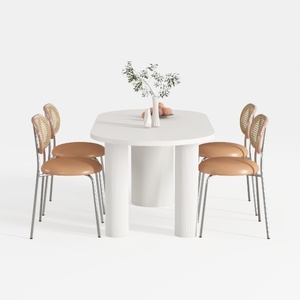
DUOMAY Modern Boucle Dining Chairs Set of 2,
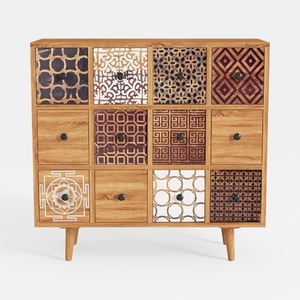
Bohemian Solid Wood Multidrawer Accent Cabinet With Patterned Fronts 3D Model
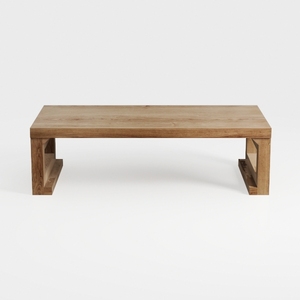
Bed Table Bed Desk Living Room Simple and Creative
Homestyler is your go-to online home design platform that's perfect for any enthusiast! With its user-friendly design tool, stunning 3D renderings, and a wealth of design projects and DIY video tutorials, you can effortlessly transform your space and unleash your creativity. Start designing today!
지금 무료로 디자인하세요
































