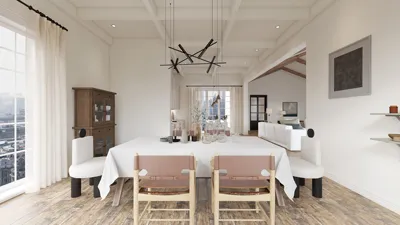


Throughout my experience, I've constructed countless 2x4 tables, ranging from workbenches to dining tables and even craft stations for kids. The appeal of a 2x4 table is quite straightforward: it's budget-friendly, readily available, and remarkably durable. With the right design elements, joinery, and finishing touches, a 2x4 table can exude sophistication while enduring daily wear and tear.
Shaped by Data: Performance and Comfort
Before making any cuts, I always outline the table’s intended purpose and dimensions, taking into account human ergonomics. For dining or seated activities, maintaining a height between 28 and 30 inches ensures that elbows remain relaxed and shoulders stay comfortable; studies by Herman Miller underline the necessity of neutral arm positioning to minimize strain during extended use. Additionally, research from Steelcase indicates that improper desk height can lead to increased fatigue due to shoulder elevation and wrist extension. When it comes to lighting, the Illuminating Engineering Society (IES) suggests a general task illumination level of around 300 to 500 lux for everyday home activities, guiding my choices on surface finishes and glare management.
Material Insights: The Strength of 2x4s
Construction-grade 2x4s boast impressive stiffness and compressive ability, making them ideal for table frames. When selecting pieces, I opt for kiln-dried, straight boards to minimize twisting. If the tabletop is also constructed from 2x4s, the orientation is crucial: using edge grain (the 1.5-inch side) results in a smoother sanding experience and tighter joints, while opting for flat-grain (the 3.5-inch side) can hasten construction but may lead to seasonal expansions. For a refined appearance, I often complement a 2x4 frame with a plywood or solid wood slab, allowing the frame's strength to support the weight.
Design and Structure Essentials
Proportion is key to achieving visual harmony and stability. For a dining or work table measuring 60 x 30 inches, an inset leg measurement of 2.5 to 3 inches from each corner helps prevent toe stubbing and provides better stability. The space between aprons should be maintained at 3 to 4 inches to offer racking resistance without adding bulk. I typically position the aprons about 2 to 3 inches beneath the tabletop to ensure ample clamping and legroom. For tables with greater depth (over 30 inches), adding a central stretcher or cross braces can help decrease racking issues. And if you want to explore various layouts before making any cuts, using a room layout tool like Homestyler can greatly assist in simulating clearances and flow.
Cutting List and Dimensions: Typical Specifications
For a standard 60 x 30 inch table with a height of 29 inches, the materials needed include four 2x4s for the legs, cut to 28 inches each; aprons measuring two at 53 inches and two at 23 inches, considering leg thickness; and one center stretcher also at 53 inches. If using a 1-inch thick top, this will result in an overall height of 29 inches. When preparing a tabletop of 2x4 planks (with edge grain facing up), it’s advisable to mill the boards to a uniform thickness first to minimize sanding requirements and promote sturdier joints.
Durable Joinery Techniques
The robust nature of 2x4 framing is best achieved with both mechanical fasteners and glue. I typically utilize pocket screws combined with wood glue for quick assembly between aprons and legs, but I reinforce longer spans with half-lap or housed tenons to account for lateral forces (think kids climbing or active shop use). A bridle joint or half-lap is recommended for the central stretcher to maintain the frame's squareness. Be sure to pre-drill to prevent splitting, and clamp joints until the glue fully cures. A quick diagonal measurement check from corner to corner ensures that the frame remains square; aim for equal diagonals within a 1/16 inch range for superior quality.
Tabletop Construction Methods
There are three reliable approaches to constructing the tabletop: 1) Edge-gluing strips of 2x4s: trim rounded edges, joint two surfaces, and then glue with biscuits or dowels for alignment. 2) Using 3/4 to 1-inch plywood with solid wood edges: this option is quick, flat, and can accommodate laminate or veneer finishes. 3) Solid slab options (such as butcher-block or hardwood) look great alongside the 2x4 frame, ensuring the table has a polished appeal. Always factor in wood movement by incorporating figure-8 fasteners or elongated screw holes to allow for expansion and contraction.
Considering Ergonomics and Space
Providing adequate knee clearance is just as critical as table surface size. I recommend maintaining a modest apron depth while ensuring at least 24 inches of unobstructed space beneath the table for comfort. Spacing between legs on the long sides should be generous so that two people can sit without bumping into one another. If the table will also serve as a laptop station, organizing cables beneath the surface can prevent tangling. Proper alignment of wrist posture and maintaining elbow angles between 90 to 110 degrees is emphasized in studies by Herman Miller and Steelcase to promote a healthy workstation.
Lighting, Reflection, and Surface Treatment
In an environment with typical ambient light levels of 300 to 500 lux (according to IES guidelines), finishes that are matte or satin are preferable to minimize glare and enhance visual comfort. High-gloss finishes may appear attractive but can cause eye strain under direct lighting. If precision tasks are conducted, incorporating adjustable task lighting can help achieve optimal brightness as recommended by IES, without creating harsh light spots. A warm-neutral light temperature (between 3000 and 3500K) is inviting, whereas a cooler 4000K light is better suited for settings requiring heightened alertness.
Sound and Behavioral Considerations
Using hardwood for tabletops along with 2x4 frames may amplify noise in a lively room. Adding a soft runner, placing felt pads beneath heavy objects, or installing cork feet can significantly dampen impact noise and vibrations. If the table is situated in a multifunctional area, ensure there is at least 36 inches of clear space around it to facilitate smooth movement, helping to reduce interpersonal disputes in shared settings.
Applying Finishing Techniques for Longevity
When working with 2x4 pine or Spruce-Pine-Fir (SPF), I find that sanding to between 150 and 180 grit raises the grain. To achieve a smooth finish, I lightly wet the surface and sand again before applying the final coat. For dining surfaces, I prefer using a hardwax oil or a waterborne polyurethane that strikes a balance between durability and ease of repair. For shop tables, a penetrating oil followed by paste wax is ideal—this combination simplifies maintenance and facilitates clamp movements without damaging the surface. Remember to seal all faces uniformly to minimize cupping in the long term.
Detailed Build Workflow Steps
1) Select and mill straight 2x4s; rip off rounded edges for precise glue lines. 2) Cut legs, aprons, and the stretcher; making sure to mark orientation to prevent twisting. 3) Drill pocket holes or define joinery; perform a dry fit to confirm everything is square. 4) Glue and clamp the frame; check diagonal measurements. 5) Attach the stretcher and reinforce using screws and glue. 6) Prepare the tabletop ensuring movement is accounted for in fastening methods. 7) Sand progressively and break edges to enhance hand comfort. 8) Apply your chosen finish, allowing it to cure as per the manufacturer's instructions. 9) Install felt pads under the table legs; test for stability on the floor.
Proportional Adjustments for Various Purposes
For dining setups, a height of 28 to 30 inches with widths of 36 to 40 inches allows for enjoyable dining experiences; rounding corners enhances safety for children. For craft or shop tables, increasing the height to between 30 and 34 inches benefits leverage during cutting and assembly tasks; consider adding a lower shelf between the legs for added storage. For standing desks, heights should range from 38 to 42 inches, paired with an anti-fatigue mat, with a depth of less than 30 inches to facilitate easier access and lessen shoulder strain.
Understanding Color Psychology and Visual Dynamics
Opting for a calm, desaturated stain on pine minimizes the yellow hues, imparting a more modern aesthetic. According to insights from Verywell Mind, warm, natural tones create a welcoming atmosphere, while cooler neutrals can foster focus—an advantage for tables used in productive settings. I maintain a consistent grain direction between the tabletop and apron for visual harmony, balancing heavier leg designs with lighter edge radii for a sturdy but light appearance.
Prioritizing Safety and Durability
Smooth sharp corners to a radius of between 1/8-inch and 1/4-inch. Utilize countersunk screws and refrain from using end-grain fasteners for crucial joints. If the table is positioned near a window, anticipate potential for seasonal wood movement; therefore, keep fastener slots elongated and avoid securing the tabletop with rigid glue lines.
Effective Placement and Room Integration
In smaller rooms, orient the table to fit within the flow of foot traffic, positioning task lighting opposite a user’s dominant hand to minimize shadows. If you're designing a multi-table layout for dining or workshop areas, a tool like Homestyler can help visualize clearances and workflows effectively.
Frequently Asked Questions
Q1: What’s the ideal height for a 2x4 dining or work table?
A: The ideal height is between 28 and 30 inches for seated activities, which supports neutral elbow and shoulder positions confirmed through ergonomics research from Herman Miller and Steelcase.
Q2: Is a center stretcher necessary?
A: Yes, for tabletops exceeding 30 inches in width or tables longer than 60 inches, a center stretcher or cross bracing significantly reduces racking and ensures that the frame remains square under lateral loading.
Q3: How can I keep a 2x4 tabletop flat?
A: Ensure boards are milled accurately, remove factory round-overs, alternate grain orientations, and utilize cauls during the gluing process. Additionally, enable movement using figure-8 fasteners when attaching to the frame.
Q4: What finish is most effective for family use?
A: Opt for waterborne polyurethane or hardwax oil as they provide excellent resistance against spills and are easy to maintain. Matte or satin finishes minimize glare, which is ideal under typical ambient lighting of 300 to 500 lux, as guided by IES standards.
Q5: Is it feasible to build without pocket holes?
A: Certainly. Utilizing half-laps, mortise and tenon joinery, or housed tenons can provide strong structural integrity. While pocket holes are quick and effective, they should be reinforced with additional gluing for improved strength.
Q6: What size should the table be to accommodate four people?
A: A width of 30 to 36 inches is suitable for four people, with a length ranging from 48 to 60 inches. Always ensure at least 36 inches of clearance surrounding the table for comfortable movement.
Q7: How can I lessen noise from a hard table surface?
A: Soft runners, felt pads below table legs, or cork coasters can significantly dampen sound. If the acoustics are echoey, consider adding textiles and wall panels to soften the sound.
Q8: Which screws are recommended for 2x4 frames?
A: Utilize #8 or #10 wood screws measuring 2.5 to 3 inches in length for securing frame connections, pre-drilled to prevent wood splitting. Combining high-quality wood glue enhances the overall strength of connections.
Q9: Is pine strong enough to create a large table?
A: Definitely, if constructed properly. Ensure to use wider aprons, solid joinery methods, and a stretcher for support over longer spans. The substantial mass of 2x4 legs delivers remarkable load-bearing capabilities.
Q10: Which stain color aligns best with a modern design?
A: Desaturated natural tones, such as smoked oak, light walnut, or greige, can help neutralize any excessive yellowing in the pine. Color psychology suggests that warmer neutrals evoke a welcoming feeling, whereas cooler tones may express organization and focus.
Q11: How can I manage seasonal wood movement effectively?
A: Avoid securing the tabletop rigidly to the frame. Choose fastening options that allow for natural expansion and contraction, while also sealing all surfaces consistently to minimize the chance of cupping.
Q12: Is it possible to integrate storage into the table design?
A: Incorporating a lower shelf between the legs offers extra storage and ballast. It should be positioned 6 to 8 inches above the floor to facilitate cleaning and avoid toe stubbing.
Homestyler is your go-to online home design platform, perfect for both novices and pros. With its user-friendly design tool, stunning 3D renderings, inspiring design projects, and helpful video tutorials, you can effortlessly create and visualize your dream space. Transform your home today!
Design jetzt kostenlos
































