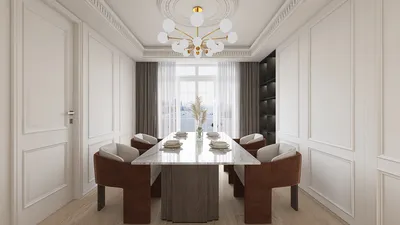


In my experience constructing a guitar cabinet, I once created one so diminutive that my drummer quipped it wouldn't even accommodate his ego. This highlighted an important lesson: proportions are essential and should be prioritized over mere bravado. I've learned from past mistakes and from clients who requested a cabinet versatile enough to function as a coffee table. There have even been times when a last-minute speaker swap saved a gig. These smaller projects serve as excellent opportunities for inventive problem-solving, especially when utilizing tools like Homestyler for visualization.
For those who prefer to sketch before cutting, I regularly produce realistic 3D renderings to evaluate proportions and ergonomics early in the design phase. This approach significantly reduces hours spent sanding and minimizes frustration.
1. Compact practice cab
My passion lies in building compact practice cabinets tailored for apartment dwellers. A small, closed-back box featuring a single 8" or 10" speaker, along with moderate damping, provides a quiet, tight sound that's sufficient for home use. While this design might sacrifice some low-end thump, it proves advantageous in noise-sensitive environments. Pro tip: consider salvaging a midrange driver while investing in high-quality binding posts instead of opting for extravagant finishes, and leverage Homestyler to visualize your designs.
save pin
2. Ported blues-voice cab
For musicians seeking warmth and impact, a ported 1x12 or 2x10 with a tuned slot offers enhanced bass and a vibrant midrange. I’ve frequently tuned ports by ear in rehearsal settings, which blends both science and active listening. The challenges include size and the necessity for precise tuning; over-tuning can lead to excessive boom without clarity. A useful practice is to utilize removable port tubes that allow for on-the-go fine-tuning.
save pin
3. Modular stackable cabinets
Many of my clients request adaptable setups, prompting me to design small, stackable modules comprising a 1x12 practice section, a tweeter module, and a dedicated pedalboard shelf. The key benefit of this design is flexibility—future expansions are possible without the need for total replacements. Ensuring proper corner bracing and alignment hardware is crucial to prevent rattles. I suggest implementing a straightforward bolt-and-sleeve system for reliable stacking and alignment. When organizing layouts, I sometimes export clean space plans within Homestyler to confirm the modules fit seamlessly into a room or rig.
save pin
4. Vintage look with modern internals
There's nothing quite like a retro-style cabinet that incorporates modern bracing and acoustic damping. By reusing vintage radiators or veneer panels, I add character while concealing contemporary cross-bracing and port liners within. This design not only looks fantastic on stage but also plays reliably, although sourcing matching veneers can require time and patience. A helpful tip is to prioritize the geometry of internal bracing before focusing on the finish, which serves more as decoration than structural integrity.
save pin
5. Furniture-friendly amp cabinet
One of my most satisfying client projects involved creating a cabinet that also functions as an end table. I designed a shallow, wide cabinet with a sound-diffusing grille and rubber feet to protect floors. The benefit is a harmonious integration into living spaces, though this necessitates a slightly reduced speaker depth, so be sure to select drivers known for their tight transient response. When I seek visual examples for material selection and pairings, I often turn to 3D render references, such as those produced by Homestyler, to guarantee the cabinet appears as refined furniture rather than a bulky afterthought.
save pin
FAQ
Q1: What wood is best for a DIY guitar cabinet?
I typically recommend 18mm Baltic birch due to its strength and resonance and its ease of workability. While pine is a more economical option, it’s less stable; MDF is sufficient for practice cabinets, but it is heavier and can be messier to cut.
Q2: Should I build a closed-back or ported cabinet?
Closed-back cabinets tend to offer a tighter, more controlled sound, making them ideal for high-gain tones. On the other hand, ported cabinets provide enhanced bass response and openness, but require accurate tuning to prevent unwanted boom.
Q3: How crucial are speaker Thiele/Small parameters?
These specifications are important when designing ported or tuned enclosures, as they help predict resonance and compliance. For a comprehensive introduction to these parameters, consider exploring the Thiele/Small parameters overview, which details the essential numbers that manufacturers typically disclose.
Q4: Can I use salvaged drivers?
Absolutely—salvaged drivers can be an excellent and cost-effective choice. However, it’s essential to check their condition and impedance, as older speakers may have stiff surrounds or reduced sensitivity that can affect the tone.
Q5: How do I prevent rattles and vibrations?
Proper bracing, correct driver mounting, and the use of high-quality screws along with star washers effectively eliminate most rattles. Adding felt pads at panel junctions and ensuring a proper fit of the grille helps to avoid buzzing sounds.
Q6: Do I need professional finishes?
Not necessarily; a simple spray lacquer or oil finish can look excellent while offering protection for the wood. Utilizing distressing techniques and natural stains can provide character without the expense of professional lacquer booths, and I might use Homestyler to visualize these finish options before applying.
Q7: What glue and screws work best?
I recommend using PVA wood glue for the seams, complemented by screws measuring 1" to 1.5" that are countersunk into pilot holes for speaker baffles. To reinforce corners, glue and screw blocks provide long-lasting durability.
Q8: How can I test my cabinet before final assembly?
Simple testing methods include using a phone-generated sweep to identify rattles and conducting a brief amplifier run at a low volume to listen for any odd resonances. Additionally, measuring external dimensions against a mockup or sketch—something I often do with scale drawings—helps to avoid unpleasant surprises.
save pin
Looking to transform your space? Homestyler is your go-to online design platform! With its user-friendly design tool, stunning 3D renderings, and a wealth of inspiring design projects and video tutorials, creating your dream home has never been easier. Start designing today!
Concevez maintenant gratuitement
































