


I appreciate the genuine appeal of a farmhouse table, characterized by its broad planks, robust joinery, and a finish that invites everyday use. This comprehensive guide offers a step-by-step approach to constructing a dining table that not only honors traditional farmhouse dimensions but also incorporates contemporary comfort and durable finishes. A well-designed dining table serves more than just as a flat surface; it becomes a gathering place for meals, study sessions, and social events.
To ensure practical application, I base the table size around comfort metrics derived from ergonomic data. Each diner should have approximately 24 inches of elbow space, with an 18-inch seating depth that accommodates knee clearance beneath the apron. These measurements align with best practices from top furniture companies. Additionally, WELL v2 guidelines suggest that dining areas should have glare control and sufficient ambient light in the range of 300-500 lux, which can impact your choice of finish and lighting arrangement to enhance visual comfort (source: v2.wellcertified.com). Ensuring a minimum of 36 inches for walkways allows for smooth movement and prevents collisions when chairs are pulled away, a standard echoed in workplace and hospitality design studies from Gensler.
From both sustainability and maintenance perspectives, using an oil-modified polyurethane or hardwax oil finish provides a resilient, reparable surface that retains the wood's natural texture. The American Society of Interior Designers (ASID) emphasizes the importance of easy-to-clean, low-VOC finishes for enhanced durability in residential applications (asid.org). I will also provide proven strategies to manage wood movement, minimize cupping, and achieve a matte finish that mitigates glare under warm lighting in the 2700-3000K range.
Plan Your Table's Dimensions, Proportions, and Seating
Begin with the dimensions of the room and your seating objectives. For a group of six, a typical table measures between 72-84 inches long and 36-40 inches wide; for eight people, 84-96 inches long and 40 inches wide is ideal. Allow for 24 inches of space per seat on the long sides, and an overhang of 12-14 inches for comfort. Aim for a table height of 29-30 inches, ensuring apron clearance of at least 25 inches, with leg spacing providing an 18-inch depth for knee clearance. In snug spaces, use a room layout tool to simulate circulation patterns and confirm 36 inches of clearance around the table, helping you visualize chair movement and lighting setups.
Materials and Equipment Needed
Tabletop: Use 1.5-1.75 inches thick hardwood or laminated options (such as white oak, ash, maple, or rustic pine). Base: Solid hardwood legs or steel trestles for an industrial flair. Joinery: Pocket screws for aprons, mortise-and-tenon, or bolt-on fittings for detachable legs. Adhesives: Type II PVA or polyurethane glue to ensure outdoor-grade durability. Fasteners: Employ 1.25-2.5 inch wood screws, figure-8 fasteners, or tabletop clips to account for seasonal movement. Tools needed include a circular saw or track saw, optional thickness planer and jointer, drill/driver, clamps, sander, square, chisels, and either a finish sprayer or brushes.
Create the Base: Legs, Aprons, and Support Beams
The charm of a farmhouse table often lies in its solid base and traditional joinery. For a well-proportioned table, I recommend 3.5-4 inch square legs to support a 40-inch wide top, with a slight taper from knee height downward for an airy appearance. Aprons measuring 3.5-4 inches high provide structure without obstructing knees; ensure that the underside of the apron maintains at least 25 inches of clearance from the ground. If incorporating a center stretcher, position it 8-10 inches above the floor to avoid toe stubbing and ease cleaning. For disassemblable designs, opt for threaded insert bolts connecting aprons to legs or concealed bed bolts, promoting stability and allowing easy transportation through doorways.
Assemble the Tabletop: Planks, Alignment, and Expansion Considerations
Select straight, acclimatized boards, allowing them to adapt to the dining environment for 5-7 days. Cut clean edges and alternate the orientation of growth rings to minimize cupping. Glue the boards together in stages using cauls to keep the slab even. Dominoes or biscuits can assist with alignment but aren’t structural; prioritize glue and proper edge preparation. When considering board ends, keep in mind potential end-grain checking and contemplate using breadboard ends for a classic aesthetic—make sure to opt for elongated mortises and pegs to accommodate seasonal wood movement. Install tabletop clips or figure-8 fasteners to allow for grain movement without damage. Subtle 1/8-inch eased edges enhance comfort and resist chipping.
Focus on Ergonomics and Seating Comfort
The height of the table significantly influences the dining experience: standard chair heights range from 17-19 inches, making a table height of 29-30 inches optimal. Ensure at least 6-8 inches of apron recess from the table edge to prevent pinching thighs while seated. If placing two diners at each end, verify that leg spacing and stretcher placement do not hinder foot movement. If using benches, they should be about 14-16 inches wide with backrests to provide additional support during longer meals. These dimensions reflect comprehensive human factors research, aimed at reducing strain and facilitating natural reach without collision with aprons.
Fitting Strategy and Ensuring Structural Integrity
Apron-to-leg connections absorb significant lateral forces. For maximum durability, use mortise-and-tenon joinery; if pursuing a quicker approach, opt for pocket screws supplemented by concealed dowels or floating tenons. Incorporate corner blocks inside the aprons to enhance rigidity without visible bulk, which also prevents wobbling. For tables extending beyond 84 inches, contemplate adding a center stretcher or reinforce with thicker aprons. Always pre-drill all screw holes and avoid attaching the tabletop directly to the base—allowing for wood movement is crucial. Assess levelness and diagonal measurements; maintaining a square and co-planar base will simplify the attachment of the top.
Sanding, Surface Preparation, and Grain Enhancement Techniques
Begin sanding with grit levels of 80-100 to even out glue lines, progress to 120-150, and conclude with 180-220 for hard woods. Moisten the wood with a damp cloth to raise the grain, let it dry, and then perform a final sanding—this method minimizes post-finish fuzz. For those who desire a reclaimed appearance, light wire-brushing can accentuate early wood grain, but be cautious as overly aggressive brushing may lead to debris accumulation. Utilizing a neutral pore filler on porous types like oak creates a smoother surface that is easier to clean in family environments.
Choose Your Finish: Sheen, Durability, and Light Interaction
The interplay between lighting and finish is crucial. Under 2700-3000K pendant lights, a matte or satin finish reduces glare and enhances visual comfort, as indicated by WELL v2 guidelines emphasizing glare control. A hardwax oil finish provides a natural aesthetic and ease of spot repairs; oil-modified polyurethane offers heightened resistance to wear and tear, making it ideal for homes with children. If opting for stain, be sure to test samples under both daytime and evening lighting to observe color undertones. Allow each coat to fully cure, lightly sand in between, and aim for 2-3 coats on tables subjected to heavy use.
Understanding Color Psychology: Inviting Atmosphere and Material Tones
Warm, medium-tone woods such as oak, cherry-stained ash, or walnut foster an inviting ambiance and create a softer contrast in dining spaces. Insights from color psychology suggest that warmer tones often enhance social interaction and perceived comfort, a dynamic that enriches family meals. Combine your table with fabrics in terracotta, olive, or deep navy to achieve a balance of warmth without overwhelming the decor. It’s advisable to select a table base that is slightly darker than the top to establish visual cohesion and rhythm.
Acoustic Comfort and Seamless Room Integration
Hard surfaces tend to amplify sound. If your dining area is prone to echo, consider adding a soft rug (watch chair movement), upholstered seating, or fabric window coverings. Acoustically treated pendant lighting or lamps with fabric shades positioned above the table can help reduce reverberation. Position the table away from air vents to prevent drafts from disrupting diners.
Design Considerations: Layout, Lighting, and Pendant Choice
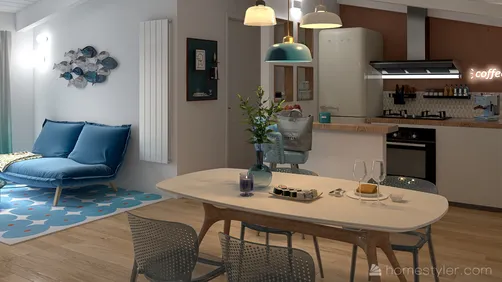
Position the table directly beneath the focal pendant. Standard pendant height ranges from 30-36 inches above the tabletop, which aids in glare reduction and ensures an even light spread. For an 8-foot table featuring dual pendants, arrange them symmetrically, ensuring the shades contain diffusers to minimize direct light spots. Check that sightlines to doors and windows are unobstructed, while keeping a minimum clearance of 36 inches around all sides. To visualize chair spacing and pendant alignment, utilize an interior layout planner to aid in your design process.
Summary of the Step-by-Step Build Process
1) Verify dimensions and clearances. 2) Prepare and acclimate the lumber. 3) Construct the base: legs, aprons, corner blocks; dry-fit for correctness. 4) Assemble the tabletop with cauls, promptly scrape away excess glue. 5) Secure the base to the top using movement-permitting fasteners. 6) Sand progressively, raise grain, and complete final passes at 180-220 grit. 7) Optionally apply stain, followed by finish coats; allow sufficient curing time. 8) Attach protective glides under each leg to safeguard floors and facilitate movement.
Maintenance Tips for Longevity
Incorporate felt pads beneath each leg. Address spills immediately and avoid letting water sit on surfaces. Every 12-18 months, refresh a hardwax oil finish with maintenance coats; for polyurethane finishes, lightly scuff-sand and add a new coat as needed. Keep indoor humidity levels between 35-55% to minimize seasonal wood movement. To slow patina changes, position the table out of direct sunlight.
Budget Considerations and Time Required
Anticipate the cost of materials for a solid hardwood 8-foot table to range between $350-900 based on wood type and local pricing. A pine version may come in at around $200-350. Factor in tool costs if starting your toolkit from scratch. Budget 2-3 weekends for meticulous construction, not including the time needed for finishes to cure.
Frequently Asked Questions (FAQ)
Q1: What type of wood is best for a farmhouse table?
A: White oak provides an ideal blend of durability and aesthetic appeal; ash or maple work well for lighter hues. Pine is a cost-effective choice but may be more susceptible to dents—use it if a rustic look is preferred.
Q2: What’s the recommended width for a dining table?
A: A width of 36-40 inches allows for appropriate plate spacing and centerpiece placement without causing guests to reach excessively. Tables wider than 42 inches can complicate dish passing and appear visually bulky.
Q3: How many diners can be accommodated at an 84-inch table?
A: Typically, eight people can sit comfortably—three along each long side and one at each end—given the 24 inches of space allocated per person and adequate leg clearance.
Q4: Are breadboard ends necessary?
A: While not essential, breadboard ends lend a classic appearance and help maintain the table's flatness. Utilize elongated tenons or slotted holes to account for wood movement.
Q5: What finish is most friendly for children?
A: Oil-modified polyurethane offers excellent resistance to spills and scratches. For straightforward spot repairs, hardwax oil is highly recommended, though it may need occasional maintenance.
Q6: What height should the pendant lights be installed above the table?
A: A height of around 30-36 inches above the tabletop achieves optimal illumination while reducing glare, following the comfort recommendations of WELL v2 standards.
Q7: How can wobbling be prevented?
A: Employ solid joinery techniques (mortise-and-tenon or corner blocks), ensure squareness, and use level glides under the legs. Longer tables will benefit from the addition of a center stretcher.
Q8: What’s the minimum recommended clearance around the table?
A: Maintaining at least 36 inches of clearance is advisable for comfortable movement between chairs; aim for 42-48 inches in larger spaces to enhance circulation.
Q9: Is it possible to use steel legs with a farmhouse-style tabletop?
A: Absolutely. Matte black or raw steel trestles complement a warm wooden tabletop beautifully. Ensure the connection between the tabletop and legs accommodates wood movement using figure-8 fasteners.
Q10: How can wood movement be controlled effectively?
A: Acclimate your boards prior to assembly, alternate grain during gluing, avoid adhering the top directly to the base, and utilize clips or figure-8 fasteners to allow seasonal expansion and contraction.
Q11: What is a good edge profile for a table?
A: A subtle 1/8-inch eased edge or gentle round-over feels comfortable, resists chipping, and maintains a clean farmhouse aesthetic.
Q12: How can I reduce echo in my dining room?
A: Incorporating soft elements—such as an area rug under the table, fabric window treatments, upholstered seating, or acoustic-enhancing pendants—can help to absorb sound. This makes conversation more pleasant and manageable.
Built on technology originally developed at Autodesk, Homestyler empowers anyone to design beautiful, realistic spaces in minutes. Join over 20+ million registered users (platform data, 2026) who have already discovered a smarter way to plan, visualize, and bring their dream homes to life — all from the comfort of a browser.


Cute Cartoon Rabbit Solid Wood Kids Chair 3D Model

Modern Velvet Metal Leg Curved Loveseat Sofa 3D Model

Vintage Velvet Upholstered Wooden Barrel Armchair 3D Model
Discover the power of Homestyler for your home design journey! This user-friendly platform offers a fantastic online design tool, stunning 3D renderings, and a wealth of design projects alongside insightful video tutorials. Bring your vision to life effortlessly, regardless of your experience level!
Diseño ahora GRATIS




















![Design [4]](https://hs-designs.homestyler.com/production/design/images/07c2de3a-88ec-4be8-8910-ff255b795bc2/1731419398293/7841697.jpg?x-oss-process=image/resize,w_502,m_mfit/format,webp)