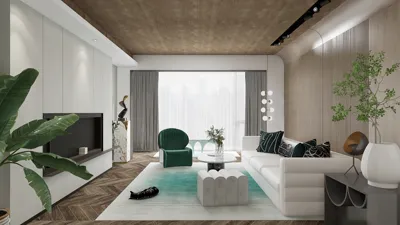


Finding the right fan for your space can be a challenge, as many store-bought options don't offer the ideal balance of airflow, sound, and safety. As summer arrives, I prefer to create my own solution: a compact axial fan that delivers powerful airflow without transforming the room into a noisy environment. Designing such a fan involves treating it like a miniature airflow system, where factors like blade selection, motor torque, housing design, noise reduction, and safety power ratings are crucial.
When getting started, two key factors influence my choices: air changes per hour and sound exposure levels. In a typical living room, achieving between 6 and 10 air changes per hour feels comfortable, especially when combined with ceiling fans or well-directed airflow from portable units. Research from Steelcase reveals that improved thermal stability and maintaining noise levels under 40 dBA significantly enhance perceived comfort and work productivity; excessive fan noise can negatively impact both aspects. The WELL v2 standard also highlights the importance of acoustic comfort, recommending background noise levels around NC 40 in occupied spaces, reinforcing the need for quiet operations.
The choice of color and visual comfort can subtly affect how we feel. According to Verywell Mind’s insights on color psychology, blues and greens are often linked to feelings of calmness and coolness—making these colors beneficial when selecting finishes for a fan housing or surrounding decor. On the technical side, the Illuminating Engineering Society (IES) emphasizes the necessity to minimize glare and flicker in lighting; similarly, opting for smooth fan blade finishes and matte housing can help reduce distracting reflections, contributing to a more comfortable environment.
Core Design Decisions: Axial vs. Centrifugal
I predominantly opt for axial fans for cooling rooms, as they provide excellent volumetric flow (CFM) while taking up minimal space. Although centrifugal blowers offer higher pressure—ideal for duct systems—they tend to feel overly directed and cumbersome for a portable house fan. For an average living room (around 200 sq ft with 8 ft ceilings), I target a flow rate of 800–1,200 CFM to circulate air smoothly while avoiding turbulence. When utilizing an axial design with an appropriately shaped inlet, these figures can be achieved at levels below 50 dBA by isolating the motor and adjusting blade speed.
Calculating Airflow and Housing Size
To determine airflow needs, I use a straightforward method: calculate the required CFM by multiplying room volume (square footage times height) by desired air changes per hour, then divide by 60. For instance, a 200 sq ft room at 8 ft tall gives a volume of 1,600 ft³. At 8 air changes per hour, a target of about 213 CFM emerges; however, I generally oversize to around 800–1,000 CFM, allowing for quieter, low-speed operation while still efficiently transferring heat away from people and electronics. A fan with a diameter of 9–12 inches and a shallow venturi enhances airflow while minimizing noise. It's also important to maintain at least one blade chord length of space from any grille to reduce unwanted noise.
Blade Design and Material Selection
Using three to five blades at a moderate pitch (ranging from 18 to 28 degrees) results in steady airflow while keeping motor loads manageable. My preference leans towards fiberglass-reinforced nylon or well-balanced wooden blades due to their stiffness, lightweight, and vibration dampening properties. It's advisable to avoid sharp trailing edges; opting for slightly thicker, rounded edges can effectively minimize tonal noise. Ensure that blades are balanced both statically and dynamically—small adhesive weights placed on the hub can often resolve minor wobbling issues.
Choosing the Right Motor and Speed Control
For my DIY fan projects, I typically choose brushless DC (BLDC) motors or high-quality AC shaded-pole/PSC motors equipped with sealed bearings. BLDC motors are particularly advantageous for their efficiency and torque at lower RPMs, which is essential for quiet operation. A variable speed capability is a must—this can be achieved with a simple PWM controller for BLDC setups or a triac/auto-transfomer for AC motors. To minimize structural noise, the motor should be mounted on rubber isolation grommets, and a neoprene layer should be added between the motor plate and housing.
Safety and Electrical Considerations
Safety must be the top priority before airflow considerations. Always use UL-listed power supplies, strain reliefs, and ensure a grounded metal housing or a double-insulated enclosure. Ensure that cables are routed away from the fan sweep and secured with P-clips. Adding an inline fuse rated at 125–150% of the full load current and a master rocker switch with an indicator light are essential. A robust finger-safe grille (with spacing less than 12 mm) on both sides is also critical, especially when children or pets are present.
Housing Design for Quiet Performance
A shallow, smooth venturi design enhances inlet efficiency while minimizing tip loss. I utilize 3D printing to develop an inlet ring with a 10–12% bell radius based on the fan diameter. Inside, I line the panels with 6–10 mm melamine foam or recycled cotton acoustic material, ensuring they don't obstruct the inlet/outlet paths to avoid pressure drops. For complex installations or airflow paths around furniture, a room layout planner can help visualize throw distances and recirculation pathways. Incorporating a lightweight room layout tool can be beneficial in testing positioning, furniture arrangements, and airflow routes; using a tool like Homestyler can streamline this process.
Optimizing Acoustic Performance and Vibration Control
The sources of noise typically stem from blade pass tones, motor hum, and structural vibrations. To address these issues, reduce RPM by using a larger diameter fan, add a stator, or a flow-straightening grille downstream to lessen swirl, isolate the motor, and apply weight to the base. Placing the fan on sorbothane feet can also help. If tonal peaks continue, tweaking the blade pitch slightly or adjusting speed can produce noticeable improvements—transitioning between room modes can yield surprisingly effective results.
Incorporating Filters and Purification Options
During smoke seasons, I install a low-resistance MERV 8 prefilter on the fan's inlet. It's best to avoid highly restrictive HEPA filters unless the motor is capable of providing sufficient static pressure; otherwise, CFM will decrease significantly, and noise levels may rise. For anyone prioritizing filtration, a centrifugal blower design would be a more appropriate choice.
Understanding Thermal and Human Factors
Our perception of cooling hinges on the rate of airflow across our skin. For seated activities, a speed of between 0.3 to 0.8 m/s flowing across the upper body generally feels ideal without causing dryness in the eyes. Position the fan slightly off-axis from individuals, at chest height or lower, and direct the airflow in a way that gently brushes across occupants rather than blasting them. Adopting cool-colored finishes (like muted blues or greens) around the fan reinforces the feeling of coolness, aligning with findings in color psychology. Additionally, ensure cables do not obstruct movement and design the fan base to avoid creating tripping hazards—minor ergonomic adjustments can effectively reduce daily inconveniences.
Materials and Eco-Friendliness
I favor constructing housings from plywood or recycled aluminum with a durable powder-coat finish. Edges of plywood treated with water-based sealers remain stable, while aluminum contributes to effective heat dissipation from the motors and controls. Utilize screws rather than adhesives for better disassembly in the future, and opt for serviceable bearings. Quiet fans are more likely to remain effective when they are easy to maintain.
Step-by-Step Building Guide: From Concept to Breeze
Begin by confirming your target CFM and fan diameter. Make sure to check for clearances surrounding furniture, maintaining a free zone of 1–1.5 times the fan's diameter in the front for optimal airflow.
Construct a solid frame incorporating a circular cutout and a smooth inlet bell. Pre-drill holes for the motor plate and grille mounts.
Setup isolation grommets, securely place the motor, affix blades, and balance them statically using small weights on the hub.
Install the fuse, switch, and speed controller. Ensure proper connections with ferrules on stranded wires and provide strain relief at every point where cables exit the chassis.
Attach finger-safe grilles and line the interior walls of the housing, steering clear of the inlet/outlet paths.
Initial testing should be at low speeds. Listen for any rubbing, humming, or rattling noises. Once adjustments for pitch and speed are finalized, verify airflow with a basic anemometer or a lightweight ribbon test.
Placement and Strategy for Room Airflow
To maximize cross-breeze effects, position the fan diagonally across the longest axis of the room, angling it to skim along the walls to mitigate hotspots. Near windows, set it to draw in cooler evening air while exhausting warm air through an opposite opening. In communal workspaces, maintaining a low noise level and stable conditions is critical for comfort, a principle supported by workplace research from Steelcase and WELL v2 guidelines—therefore prioritize larger diameter fans operating at lower speeds rather than smaller fans working at higher RPMs.
Regular Maintenance and Long-Term Performance
Dust accumulation diminishes performance. During peak usage, vacuum the grilles monthly, clean the blades quarterly, and check blade balance yearly. Replace vibration mounts if they become hard. If you start hearing new tonal variations, promptly inspect the bearings—addressing these issues early can prevent motor damage.
Materials Required (Sample List)
- A 9–12 inch axial fan blade set compatible with the hub
- A brushless DC or PSC motor with a mounting plate
- Speed controller (PWM for BLDC; triac or autotransformer for AC)
- An inline fuse holder coupled with a suitably rated fuse
- A rocker switch fitted with an indicator light
- Finger-safe grilles for the front and rear of the fan
- Rubber isolation grommets, and sorbothane feet for mounting
- Housing materials such as plywood or aluminum; includes fasteners and cable grommets
- Possible additional items: MERV 8 prefilter, acoustic lining, or a flow straightener
Research References for Comfort and Performance
For useful studies related to comfort and acoustics, consider examining Steelcase's research on workplace performance, as well as the WELL Building Standard v2, which provides guidance on acoustic comfort: steelcase.com/research and v2.wellcertified.com.
Frequently Asked Questions
Q1. What is the ideal airflow (CFM) for my living room?
A1. Calculate room volume (square feet times ceiling height) and aim for 6-10 air changes per hour to ensure comfort in summer. For a room of 200 sq ft with 8 ft ceilings (1,600 ft³), this translates to a target of about 160-267 CFM. I generally opt for larger fans around 800–1,000 CFM to operate silently and effectively transfer heat.
Q2. Is a larger diameter fan always better?
A2. Yes, a larger diameter at lower RPMs will typically result in decreased noise. Just ensure there's adequate clearance for inlets and outlets and utilize a proper inlet bell to minimize tip-related sounds.
Q3. Which type of motor is recommended?
A3. BLDC motors are highly efficient and provide controllable torque at low speeds, making them great for quiet operation. PSC AC motors are durable and easier to wire but may produce more hum at lower speeds. In either case, make sure to use isolation mounts.
Q4. Can I integrate a HEPA filter into my designed fan?
A4. You can, but most axial fans struggle with the additional static pressure from HEPA filters, which would greatly reduce CFM and increase noise. A centrifugal blower design or a dedicated purifier is more effective for HEPA filtration.
Q5. How can I eliminate that annoying tonal whine?
A5. Lower the RPM slightly, adjust the blade pitch by a few degrees, consider adding a flow straightener downstream from the fan, and ensure the grille isn’t too close. Isolating the motor and adding mass to the base can also lessen structural resonance.
Q6. What about energy consumption?
A6. A 12-inch BLDC fan setup usually consumes between 8 and 40 watts depending on speed, which is significantly less than a portable air conditioner. Operating oversized fans at lower speeds typically strikes a good balance between energy efficiency, airflow, and comfort.
Q7. Any advice for placing fans in shared office spaces?
A7. Direct the airflow to skim over occupants instead of blowing directly at them, and aim to maintain background noise levels around low 40s dBA. This practice aligns with workplace comfort insights and WELL v2 acoustics principles.
Q8. How do I ensure safety around children and pets?
A8. Implement finger-safe grilles on both sides of the fan, use secured fasteners with thread locker, design a grounded or double-insulated fan configuration, provide strain relief on all cable exits, and ensure the power switch is clearly visible.
Q9. What colors and finishes can help my room feel cooler?
A9. Matte finishes on the housing reduce glare, while cooler shades—such as soft blues and greens—can subtly enhance perceived coolness, in line with findings in color psychology research.
Q10. How often should I maintain my fan?
A10. During high usage months, vacuum the grilles monthly, clean the blades quarterly, conduct blade balance checks annually, and replace isolation mounts if they show signs of wear or cracking.

Minimalist Light Blue Fabric 3 Seater Sofa With Wooden Legs 3D Model

Traditional Velvet Tufted Chesterfield Sofa With Decorative Brass Accents 3D Model

Modern Blue Fabric Large Sofa with Throw Pillows and Blanket 3D Model
Homestyler is an exceptional online home design platform, perfect for anyone looking to elevate their space. With an easy-to-use design tool, stunning 3D rendering, inspiring design projects, and DIY video tutorials, you can effortlessly turn your home vision into reality. Explore your creativity today!
Design Now for FREE
































