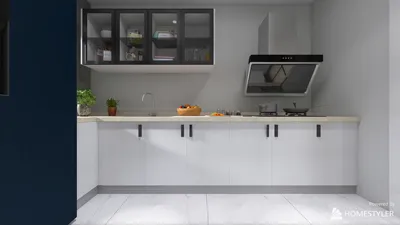


Creating a 3D representation of a ziggurat not only serves as an enjoyable architectural endeavor but also provides valuable insights into the construction methods and cultural importance of ancient Mesopotamian edifices. Whether you're engaging in this for academic purposes, as a hobby, or simply to enhance your interior design, a systematic approach will ensure optimal results. Begin with an exploration of ziggurats: these historic towers are characterized by their rectangular, tiered form featuring terraces at ascending levels. Key design elements include symmetry, horizontal layers, and often a prominent staircase. Start your model by establishing a robust foundation—cardboard is a favored material due to its sturdiness and ease of manipulation. Cut out square or rectangular platforms that decrease in size for each tier, building from the largest at the bottom to the smallest at the top to achieve the desired stepped effect. Use adhesive to secure the layers, allowing each level to dry completely before proceeding to the next. Enhance detail by adding a central staircase crafted from card or foam strips and incorporating textured elements such as sand or craft clay to mimic stone and brick surfaces. For those interested in a digital or more intricate version, utilizing contemporary 3D modeling techniques can prove beneficial. Software applications facilitate customizable options regarding dimensions, materials, and viewpoints. Here, employing a professional room planner like Homestyler can significantly smooth the design process. It not only helps in visualizing how your ziggurat will be proportioned and integrated into your space but also marries historical elegance with modern design aesthetics. After completing your structure, consider painting or embellishing it to reflect historical accuracy and include miniature elements like trees or figurines to enhance scale. For an impressive display, contemplate adding LED lighting beneath each tier or strategically placing model lamps around the base to achieve a stunning, museum-like effect.
Design Tips:
To achieve a more authentic representation, opt for a color palette that mirrors Mesopotamian architecture, incorporating earthy stone tones, terracotta shades, and accents of whitewash. Applying textured finishes with spackling paste or sand can augment the overall realism.
Frequently Asked Questions
Q: What materials work best for constructing a durable ziggurat model?
A: Choices like cardboard, craft foam, or wood strike a favorable balance for stability and usability. For digital projects, utilizing a professional room planner can aid in achieving precise scaling.
Q: How many tiers should a ziggurat model consist of?
A: Historically, ziggurats are designed with three to seven layers; however, feel free to modify this based on your preferred scale and desired intricacy.
Q: Is it possible to incorporate realistic features into my ziggurat model?
A: Certainly! You can integrate staircases, tiny doors, and landscaping elements for enhanced historical fidelity. Utilizing paints and textured materials will further enrich the overall effect.
Q: Can I digitally design a ziggurat before physically constructing it?
A: Absolutely! 3D modeling software or room planning applications can assist in mapping proportions and visualizing the eventual outcome.
Q: How can I utilize the ziggurat model as a decorative feature in my interior space?
A: You can showcase it as a standout piece on a coffee table or shelf; incorporating LED illumination or a glass display case can highlight its architectural allure within your environment.

Minimalist Solid Oak Fluted TV Stand with Black Metal Legs 3D Model
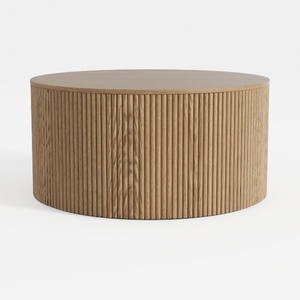
Minimalist Fluted Solid Oak Round Coffee Table 3D Model


Homestyler is your go-to online home design platform! With its user-friendly design tool, stunning 3D renderings, and an array of inspiring design projects and video tutorials, you can effortlessly create and visualize your dream home. Perfect for both beginners and experienced designers!
Design Now for FREE
































