

Building a 3D model of a DNA double helix is an exceptional method to illustrate the DNA structure, whether for educational outreach, scientific inquiry, or as an artistic piece for your home. Such models, whether physical or digital, serve to bring biological concepts into a tangible context. The iconic double helix consists of two entwined strands linked by base pairs, and can be constructed using readily available materials at home or by utilizing innovative 3D modeling platforms like Homestyler.
For crafting a tangible DNA helix model, gather basic items such as pipe cleaners (serving as the backbone), beads (representing nucleotide bases), and adhesive, with optional wire for additional structure. Start by twisting together two pipe cleaners to create sugar-phosphate backbones. Then, link them using colored beads that signify adenine, thymine, cytosine, and guanine as the base pairs. Arrange these bead pairs with equal spacing and slightly rotate each one to replicate the helical twist. Finally, shape your model into a spiral and secure the ends to enhance stability. For improved accuracy, use alternating colors and maintain uniform spacing among the beads.
In the realm of digital creation, modern 3D design applications empower you to develop and tailor DNA helix models within a virtual space. As a designer, platforms like Homestyler have proven invaluable, offering user-friendly modeling features and visualization tools that help render accurate and visually compelling scientific representations, including DNA helices. You can modify twists, select colors, and even animate your virtual models to illustrate biological processes such as replication or transcription effectively.
Design Tips:
When crafting your DNA helix model, focus on achieving symmetry and appropriate spacing to accurately represent the double helix structure. If you plan to display your model as part of an educational setting or home décor, consider how the model's lighting and positioning can enhance its visual attractiveness, transforming it into a captivating focal point that encourages curiosity and discussion.
Frequently Asked Questions
Q: What are the ideal materials for constructing a physical DNA helix model?
A: Typically, pipe cleaners or flexible wires work well for the backbone, paired with colorful beads for the base pairs. Alternative materials like straws, clay, and various craft supplies can also be utilized based on your design vision and resources.
Q: How many base pairs are recommended for my model?
A: For simplicity and accessibility, a small model generally includes 8 to 12 base pairs, though you may adjust that number according to your available space and desired detail level.
Q: Is it possible to create a DNA model without purchasing specialized materials?
A: Absolutely! Household items like toothpicks, pasta, or repurposed materials can be effectively used to design an educational and informative model.
Q: Which software can I use to design a digital 3D DNA helix?
A: Applications such as Blender, Tinkercad, or specialized software like Homestyler are excellent for producing intricate 3D biological models.
Q: Why is the DNA helix shape significant?
A: The double helix form is vital to the biological operations of DNA—it facilitates replication, ensures stability, and secures information storage, making its accurate depiction essential for both education and scientific research.

Minimalist Solid Wood Fabric Armchair with Throw Blanket 3D Model

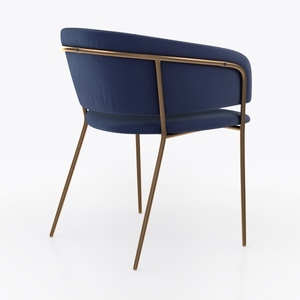
Modern Navy Velvet Gold Metal Frame Armchair 3D Model
Discover the ease of home design with Homestyler! This user-friendly platform offers an intuitive online design tool, stunning 3D renderings, a vast selection of design projects, and helpful DIY video tutorials. Unleash your creativity and transform your space effortlessly!
Progetta ora GRATIS
































