


Constructing a landscape wall on a slope presents both aesthetic and functional challenges. The primary objective is to establish stability, mitigate soil erosion, and elevate the visual appeal of your outdoor environment. This task often requires an evaluation of the site, careful planning, and the selection of suitable materials such as stone, brick, or concrete blocks. Begin by assessing the slope degree and determining the necessary height of the wall; if the retaining wall exceeds 4 feet, professional engineering guidance and permits may be mandated. Dig out the base to ensure it's level and adequately deep to accommodate drainage gravel. It’s advisable to place a perforated drainage pipe behind the wall’s foundation to control water movement and reduce hydrostatic pressure. Setting the first layer of wall materials below ground level, backfilling with gravel, and compacting each layer thoroughly is crucial. For enhanced strength, stagger the next rows and incorporate step-downs or terraces in cases of steep or irregular slopes. To achieve a polished appearance, secure capstones with landscape adhesive. Paying close attention to drainage and reinforcement, such as geogrid for taller structures, is vital to avert potential bulging or structural failure over time.
Tips 1:
As a designer, I recommend visualizing the landscape wall as part of the overall hillside design. Utilizing tools like Homestyler can assist you in planning the wall’s placement, ensuring smooth transitions with adjacent terrain, and experimenting with different materials prior to actual construction. This method not only guarantees safety and durability but also optimizes the wall’s integration within your hillside, resulting in a harmonious and attractive outdoor living area.
FAQ
Q: What are the best materials for constructing a hillside retaining wall?
A: Typical materials include concrete blocks, natural stone, brick, and treated timber. The selection largely depends on your aesthetic tastes, wall height, and the specific soil conditions at the site.
Q: What depth should the base for a hillside wall have?
A: Usually, the base should be excavated at least 6-12 inches below ground level and filled with compacted gravel to ensure stability and effective drainage.
Q: Is it necessary to install drainage behind the wall?
A: Absolutely, proper drainage is critical in preventing water accumulation that could lead to wall failure. Always include drainpipes and gravel backfilling in your design.
Q: Will I need a permit to construct a landscape wall on a steep slope?
A: Yes, for retaining walls taller than 4 feet or depending on local regulations, permits and possibly engineering approvals will be necessary. Always verify local codes before you begin construction.
Q: How can I prevent soil erosion around my wall?
A: To effectively manage soil erosion, implement suitable drainage, plant ground cover, utilize geotextile fabric, and ensure the wall is constructed with proper setbacks and reinforcements.

Minimalist Light Gray Fabric L Shape Sectional Sofa 3D Model
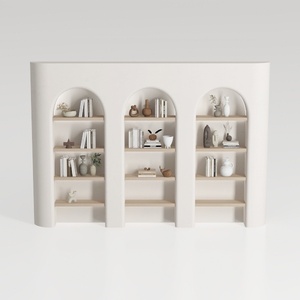
Minimalist Japandi Solid Wood Arched Bookshelf 3D Model

Discover the ease of home design with Homestyler! This powerful online platform offers an intuitive design tool, stunning 3D renderings, and a wealth of DIY video tutorials. Whether you're a beginner or an experienced designer, Homestyler brings your creative ideas to life effortlessly.
Design Now for FREE
































