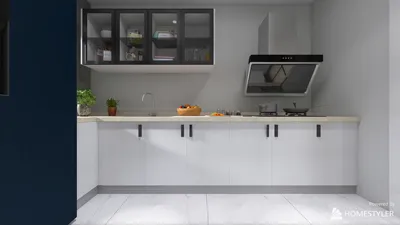


Constructing a compact dwelling requires careful consideration of design vision, utility, and budget management. My experience in managing projects for small homes ranging from 350 to 1,200 square feet has taught me that clarity in goals is more effective than expanding ambitions beyond reach. Generally, the expense of building a well-designed small home in the U.S. falls within the range of $175 to $350 per square foot, influenced by geographic location, labor market rates, building codes, and the quality of finishes. For instance, a 900 square foot home priced at $225 per square foot would approximately cost $202,500 for construction alone, excluding land acquisition and professional fees. To ensure feasibility, I emphasize energy-efficient enclosures, straightforward structural designs, and appropriately sized mechanical systems—these elements influence both initial outlay and long-term operation costs. The WELL Building Standard underscores the importance of thermal and acoustic comfort for tenant satisfaction and productivity; thus, early decisions about insulation, window types, and HVAC systems transcend mere budgeting—they represent choices impacting quality of living (refer to WELL v2 at wellcertified.com).
Beyond the surface numbers, the internal atmosphere ultimately determines whether a small home thrives or struggles. Research by Steelcase reveals that environments fostering autonomy and control can alleviate stress and enhance satisfaction; in residential contexts, this translates into adaptive spaces, appropriate task lighting, and sound management that distinguishes rest from work environments (steelcase.com/research). Effective lighting is crucial: living areas should provide 300 to 500 lux, utilizing warm-to-neutral color temperatures (2700K-3500K) while minimizing glare in compact areas to avoid visual strain, in adherence to IES guidelines (ies.org/standards). These enhancements aren’t merely aesthetic; they fundamentally affect how small spaces can feel more expansive, serene, and functional on a daily basis.
Understanding Cost Drivers: A Budget Framework
To initiate the budgeting process for a small house, I adopt a straightforward model: site preparation, building shell, mechanical systems, interior elements, professional fees, and a contingency allowance. While reallocating funds within these categories is possible, the overall budget remains mostly intact unless project scope changes or market fluctuations occur.
Efficient Layout: Maximizing Every Inch
Plan with intentionality in mind: consider movement patterns, access to natural light, and sightlines that enhance spatial perception. I recommend a centralized plumbing core to minimize pipe runs, vertically aligned wet areas in multi-level designs, and clear distinctions between public and private spaces. Opt for simplified structural designs; excessive corners can complicate framing and introduce unwanted air leakage. During the design phase, utilizing a room layout tool like Homestyler aids in visualizing furniture placement, circulation paths (ideally 36–42 inches for main routes), and sound separation between living areas and bedrooms.
Illumination and Sound Comfort in Smaller Homes
In compact home designs, the impact of glare and noise levels can become significant quickly. I advocate for a layered approach to lighting: ambient fixtures on dimmer controls, focused task lighting positioned near work areas, and warm accents that create a cozy atmosphere during evening hours. It is essential to maintain a consistent Color Rendering Index (CRI) for accurate color representation, while also stabilizing light intensity ratios to reduce the risk of eye strain. For soundproofing, strive for a minimum STC rating of 55+ between sleeping areas and social spaces whenever feasible; incorporating soft furnishings, rugs, and upholstered elements can absorb mid-to-high frequency sounds. Furthermore, mechanical noise can be mitigated through the use of resilient mounts and sound-dampening ducts—quiet systems contribute positively to the daily living experience.
Choosing Materials: Focus on Durability, Health, and Affordability
In smaller homes, each material choice is amplified. Opt for low-VOC paints and wherever possible, use FSC-certified timber, in addition to durable flooring that stands up to wear. Color psychology plays a crucial role here: muted, warm neutrals help create a calming ambiance in tight spaces, while strategically placed deep colors can define areas without making a room feel constricted. In moisture-prone areas, it’s wise to prioritize solid-surface materials or high-quality tiles with effective waterproofing instead of flashy finishes that might increase costs without enhancing longevity.
Designing for Comfort: Ergonomics and Human-Centric Spaces
Living compactly necessitates attention to ergonomic details: standard counter heights should be around 36 inches, work surfaces need adjustable lighting, and dedicated seating areas should be positioned away from sleep zones. Ensure there is sufficient clearance at doorways and tight spots; including swing arcs and pocket doors can help reclaim valuable space. A compact entryway with hooks and concealed shoe storage can help avoid clutter—easy access encourages organized storage habits.
Smart Savings: Identifying Key Spending Areas
Mechanical Systems: Proper Sizing for Compact Homes
Oversized equipment can cause short cycles and increased noise levels. Given the tight building envelope, ducted mini-split systems or high-efficiency heat pumps are ideal choices, providing zoning and superior humidity control. Position return vents in quieter areas, supply registers away from headboards, and perform airflow tests. Ensuring good indoor air quality—by using MERV 13 filtration where compatible—reduces particulate matter and enhances comfort, in line with WELL principles.
Key Spaces: Kitchen and Bathroom Decisions
These areas typically consume a significant portion of the budget. I emphasize durable countertops, dependable fixtures, and functional storage solutions over brand prestige. Group plumbing strategically, use deep drawers in place of standard doors for easier access, and specify easy-to-clean surfaces to minimize ongoing maintenance obligations.
Planning and Procurement Schedule
Create a procurement timeline that matches lead times with essential project actions: windows, mechanical systems, and cabinetry often dictate the workflow. Get alternates pre-approved to sidestep potential delays. In unpredictable markets, securing essential materials early can help stabilize costs.
Managing Contingencies and Risks
Small houses can be subject to market fluctuations. It is advisable to maintain a contingency fund and document all decisions made throughout the process. When considering value engineering, strive to preserve the performance of the home—avoid sacrificing envelope quality or ventilation merely for aesthetic upgrades. When calibrating the budget, begin with optional built-ins and finishes that exhibit significant variability in cost.
Budget Estimation Example (900 sq ft)
Tools for Planning and Visualization
Evaluate several layouts before finalizing decisions. A flexible interior layout planner like Homestyler allows you to visualize daylight exposure, furniture clearances, and sound separations. Early iterations can help prevent costly change orders down the line.
Frequently Asked Questions
Typical construction costs range from $175 to $350 per square foot, influenced by factors like site location, building codes, labor costs, and finish quality. Rural lots with longer infrastructure runs or stricter energy requirements may lead to higher expenditures.
Invest in the building’s envelope—ensuring proper insulation, airtightness, and high-quality glazing. A well-sealed envelope permits smaller, quieter mechanical units while maintaining stable indoor temperatures, which aligns with the comfort principles advocated by WELL.
Lighting needs for task areas should aim for 300 to 500 lux, while living spaces benefit from dimmable ambient lighting and warm-to-neutral color temperatures (2700K-3500K). Minimize glare by diffusing light and avoiding stark contrasts, as recommended by IES standards.
Employ higher STC-rated assemblies to buffer sound between sleeping and living spaces, integrate soft finishes, and isolate mechanical units using resilient mounts. Position supply registers away from beds and study areas to enhance comfort.
Open floor plans can create a sense of spaciousness but benefit from acoustic distinctions and defined lighting zones. Utilize partial dividers or furniture arrangement to maintain an open flow while demarcating functions; using a room design visualization tool before construction can be immensely helpful.
Streamline roof designs, standardize cabinet and door sizes, and limit the variety of finishes chosen. Consider sequencing built-ins and opting for robust mid-range fixtures instead of high-end brands that do not contribute to performance improvements.
Ensure clear circulation paths (with a width of 36 to 42 inches for primary routes), utilize adjustable task lighting, and favor drawers over doors for accessibility. Keep workspaces positioned away from bedrooms to facilitate more effective routines.
Ducted mini-splits or high-efficiency heat pumps that are sized appropriately for a tight building envelope provide effective zoning and silent operation. Furthermore, incorporate MERV 13 filtration when the system allows to enhance indoor air quality.
Plan for a contingency budget of 8% to 12% to account for supply chain changes, code modifications, and other unanticipated site conditions. Keep detailed documentation of any substitutions made to maintain performance standards.
Definitely. Softer neutral hues can reduce visual noise and create a tranquil and expansive feeling in rooms. Strategically placed darker tones can delineate areas without compressing the space, provided there’s an effective lighting strategy in place.

Minimalist Tan Leather L-Shaped Sectional Sofa 3D Model
Rustic Solid Oak Wood Coffee Table Minimalist Living Room 3D Model

Minimalist Solid Wood Fabric L Shape Sectional Sofa 3D Model
Looking to transform your space effortlessly? Try Homestyler! This online platform offers an intuitive design tool, stunning 3D renderings, a rich collection of design projects, and helpful video tutorials. It's perfect for anyone eager to create their dream home with ease and inspiration!
Design Now for FREE
































