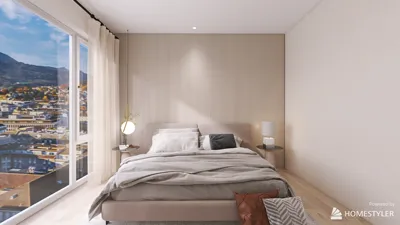


I once took on the challenge of helping a client who was adamant about painting their living room in a shade they termed ‘mood-shift orange’ — which ironically led to us repainting three times and gaining more insight into cost factors than any design course could provide. From such early missteps, I learned a crucial lesson: when dealing with compact spaces, it's essential to make thoughtful choices, as even minor adjustments can lead to substantial savings.
In this article, I will outline five tried-and-true painting ideas that effectively balance aesthetics with budget considerations, drawn from actual projects I've managed. To visualize these options without fully committing, consider utilizing platforms like Homestyler to see how various paint selections can transform a space.
1. Focus on high-impact walls instead of the entire room
I frequently suggest painting one or two walls rather than tackling the entire space. An accent wall or a darker ceiling can produce a striking effect at a fraction of the cost. The benefit is a significant visual transformation without overspending; however, it is crucial to select a robust and well-reviewed color to avoid the need for early repaints.
save pin
2. Employ two-tone strategies to conceal imperfections
In older homes, I often divide the walls horizontally — utilizing a darker shade on the lower half and a lighter hue above — which cleverly conceals scuffs and chips while minimizing the use of premium paint. This approach can enhance the perception of height or coziness based on the selected color scheme. While this technique demands careful taping and precision in the midline, the minor time investment yields long-lasting financial benefits.
save pin
3. Pair paint with careful surface planning
For kitchens and bathrooms, utilizing durable paints alongside intelligent layouts can significantly lower future maintenance expenses. I prefer combining wash-friendly paint on high-traffic areas with a streamlined backsplash; this option is more affordable than full tiling and appears deliberate. If you're contemplating the flow of kitchen colors and layouts, this method highlights where to best allocate your budget.
save pin
4. Enhance inexpensive walls with stylish trim and ceiling finishes
Opt for high-gloss finishes on trims while keeping wall paint matte — this glossy trim reflects light beautifully and creates an impression of luxury, even with budget-friendly wall colors. Lightly painted ceilings (in soft shades rather than stark white) minimize contrasts and give a more curated feel to the entire room. The minor additional cost for trimming often results in increased perceived value.
save pin
5. Recognize when to DIY and when to engage professionals — and explore with 3D designs
I personally handle many sample patches, but when faced with textured walls or lofty ceilings, I reach out to professionals. The cost of labor can frequently surpass that of materials, so it’s important to align project complexity with skill levels. Before making significant color commitments, I always utilize realistic 3D renderings to foresee potential outcomes; this visualization can help steer clear of expensive mishaps.
save pin
FAQ
Q1: What is the average cost of painting interiors?
I typically advise clients to budget based on square footage: most rooms can range from $2 to $6 per square foot inclusive of labor and materials. The specific cost hinges on prep work, the number of paint layers, and overall complexity.
Q2: What is the cost of paint for a 12x12 room?
For a 12x12 bedroom, expect to pay between $30 and $120 for mid-range paint (covering one to two gallons), plus additional costs for brushes and tape. Specialty paints or higher-end options will elevate this estimate.
Q3: Is it more economical to paint the whole house at once?
Yes, painting multiple rooms together can lower setup time and contractor fees; however, it necessitates a larger upfront investment and precise scheduling to avoid interruptions.
Q4: Can I use lower-cost paint and still achieve a quality finish?
It's possible if you're prepared for potentially needing more coats and touch-ups down the line. Mid-range paints generally strike the best balance between coverage and durability for most homes.
Q5: How much does prep work increase total costs?
Proper preparation (including patching, sanding, and priming) can add an additional 10-30% to the overall job cost, but cutting corners might lead to peeling or staining, necessitating earlier repainting.
Q6: Should I always opt for professional help?
DIYing is effective for straightforward, single-color rooms; consider professionals for textured ceilings, tall walls, or extensive layouts. Since labor costs can surpass that of the paint itself, assess the project's complexity closely.
Q7: Where can I find trustworthy cost estimates?
For national averages and detailed cost breakdowns, resources like HomeAdvisor offer valuable benchmarks; for instance, HomeAdvisor indicates typical interior painting rates ranging between $2 and $6 per square foot.
Q8: How can I prevent color regret after painting?
It's wise to test large swatches in natural light throughout different times of the day and, if possible, utilize virtual preview tools like those offered by Homestyler or small-scale sample paintings. Lighting conditions and neighboring finishes can drastically alter color appearances.
Discover the magic of home design with Homestyler! This user-friendly platform offers a powerful online design tool, stunning 3D renderings, and a wealth of inspiring design projects. Plus, with DIY video tutorials, creating your dream space has never been easier. Transform your home today!
Progetta ora GRATIS
































