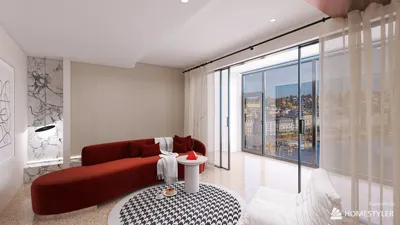


I once had a mix-up with my client's paint samples, accidentally delivering a living room painted in a vivid tennis ball color. It's a funny story now, especially after we fixed it, but it imparted valuable lessons about expenses, color choices, and where it’s worth investing more. Utilizing a tool like Homestyler can aid in visualizing these decisions before committing.
When dealing with compact spaces, clever design is essential: a single coat applied strategically can offer the illusion of a complete transformation. Here, I’ll guide you through five innovative painting ideas that maximize impact while keeping costs manageable. Additionally, I’ll share typical price estimates used in my quotations. For a quick visual reference, consider using a room design walkthrough to explore ideas in a practical context.
1. Accent wall — maximum impact with minimal paint
Applying paint to just one wall helps to conserve resources as you’ll use significantly less paint and labor, and it creates a striking focal point. This is commonly suggested to clients who crave vibrant color yet prefer not to undertake a total room repaint every few years.
Cost insight: anticipate spending on approximately one to two gallons of quality paint ($30–$70 per gallon), along with minor preparation; labor costs are usually reduced compared to full-room jobs. The key is to position the accent correctly; otherwise, it may appear random—I typically create a mock-up beforehand using tools like Homestyler to visualize the outcome.
save pin
2. Matte walls, semi-gloss trim
Opting for an economical flat or matte finish on large wall spaces while reserving higher-cost, shinier paints for trim results in a polished appearance without exceeding your budget. This strategy is often utilized in rental properties or family homes where trim durability is a priority.
Advantages: it conceals imperfections and reduces the amount of high-end paint needed. Disadvantages: matte finishes can be challenging to clean in greasy areas; semi-gloss should be reserved for higher-wear sections.
save pin
3. Two-tone walls to alter perceived space
Using a darker, washable color on the lower walls while keeping the upper walls light adds depth, making a space feel either more expansive or cozier based on the division. I’ve successfully implemented this method in a small kitchen to achieve a custom feel with minimal paint wastage.
From a budget perspective, you’ll need two different paints, but you often use less surface area for the darker shade. If you seek layout assistance for the color split, my kitchen layout tips provide practical examples that inspire where to add accents.
save pin
4. Smart use of primer
Investing in primer can significantly lower overall costs—one layer of good primer may minimize the number of required topcoats, especially when transitioning from dark colors to light. I learned this the hard way after a long night of touch-ups due to skipping the primer to save money; I won’t make that mistake again.
Primer expense: generally $15–$40 per gallon. The trade-off is time: while priming involves an extra step, it can reduce the overall paint needed and yield more accurate color results.
save pin
5. Using faux finishes and washes for texture on a budget
Simple techniques like glaze washes, ragging, or color blocking can introduce texture and depth, using less paint, often with less expensive materials. I once taught a weekend DIY client how to create a washing technique, enabling them to achieve a custom look at a fraction of professional painting costs.
Challenge: mastering faux finishes requires a steady hand or a brief instructional session. If you wish to preview the final appearance before purchasing paint, using a 3D room design tool like Homestyler can help avoid surprises.
save pin
FAQ
Q1: What is the average cost of interior paint per gallon?
A: The cost of consumer-grade interior paint ranges from approximately $20 to $60 per gallon, while premium and specialty paints may exceed $60 to $100+ per gallon. Always remember to include primer and other supplies in your total material expense.
Q2: What is the typical expense for professional painting per room?
A: For a single room, depending on its size and preparation required, costs typically range between $300 and $800 for professional services, encompassing both labor and materials. More complex trim work, high ceilings, or necessary repairs can result in increased pricing.
Q3: When is it beneficial to hire professionals over DIY?
A: Hiring professionals is advisable for high ceilings, detailed trim work, or substantial surface repairs; DIY is ideal for simpler areas and accent walls. Considerations such as time, tools, and desired finish will guide your decision.
Q4: How much paint is needed for a standard room?
A: A standard 12x12 ft room with 8 ft ceilings typically requires about 2–3 gallons of paint per coat for the walls. Always calculate the surface area and factor in an additional 10–15% for waste and touch-ups.
Q5: Do primers actually help save money?
A: Absolutely, using primer generally reduces the necessary number of topcoats and enhances adhesion, which can lessen both material and labor expenses overall. It’s a small initial investment that provides better long-term outcomes.
Q6: What hidden costs should I anticipate in painting projects?
A: Watch for additional expenses like drywall repairs, wallpaper removal, furniture relocation, and the use of multiple colors which may extend labor time. Always request a detailed estimate to avoid unexpected costs.
Q7: Where can I find reliable cost averages?
A: HomeAdvisor offers valuable resources for national averages and cost breakdowns regarding interior painting; their guides provide typical price ranges for both rooms and whole-house projects (https://www.homeadvisor.com/cost/painting/interior-painting/).
Q8: How can I minimize overall paint expenses without sacrificing quality?
A: Focus on high-quality paint for areas prone to wear (like trim and doors), choose more budget-friendly options for expansive wall areas, utilize accent walls and washes for enhanced visual appeal, and always account for primer to minimize the need for additional coats.
save pin
Homestyler is your go-to online home design platform, offering an easy-to-use design tool and stunning 3D renderings. With a wealth of design projects and DIY video tutorials, you'll find inspiration and practical guidance to transform your space without any hassle.
Design Now for FREE
































