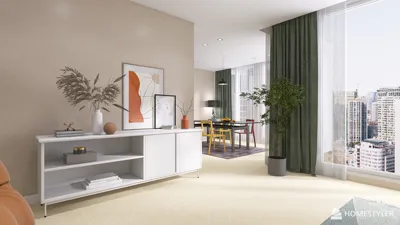


I have successfully revamped numerous spaces on tight budgets, with the most delightful transformations often resulting from modest materials. Stores like Dollar Tree can serve as an unexpectedly rich source for décor: think glass cylinders, foam boards, peel-and-stick liners, microfiber cloths, jute twine, and basic frames. The secret lies in meticulous planning—focusing on light, color, ergonomics, and proportion—allowing inexpensive elements to come together as a unified design rather than appearing as arbitrary fixes. In small apartments and starter homes, getting these essentials right drastically enhances the spatial experience, often surpassing what expensive furniture can achieve.
Two crucial principles guide my design process. Firstly, the quality of lighting substantially influences our perception of materials; according to the Illuminating Engineering Society, it is recommended to achieve 200–300 lux in living rooms and 300–500 lux in kitchens to facilitate comfortable tasks and overall ambiance. Secondly, colors significantly impact mood and productivity; soft blues and greens promote a sense of calm and focus, while vibrant reds are known to energize, as detailed in Verywell Mind’s look at color psychology studies. I create Dollar Tree projects that adhere to these insights: using translucent films to mitigate harsh glare, neutral backgrounds to achieve a balance of saturation, and layering task lighting over general illumination. For deeper insights into lighting categories and occupant health standards, the WELL v2 framework offers valuable guidance.
Living Room: Enhancing Light, Texture, and Flow
Living rooms thrive on a tranquil foundation layered with accents. I begin with a neutral base—linen-look peel-and-stick liners applied within bookshelves or media consoles. This enhances visual brightness without the need for painting. Next, I transform Dollar Tree glass vases into soft lighting diffusers: wrapping them in frosted window film and placing battery-operated LED candles inside, generating a warm light that aligns with the ambient target of 200–300 lux when paired with floor lamp lighting. I repurpose microfiber cloths into removable cushion slipcovers by sewing them into envelope styles; their matte texture diffuses glare and introduces tactile warmth. Establish a visual rhythm with framed botanical artwork: using sleek Dollar Tree frames, backing them with scrap fabric as matting, and maintaining a uniform 2:3 frame ratio ensures cohesiveness in the gallery wall.
Kitchen: Defined Task Areas with Sturdy, Clean Surfaces
Kitchens require 300–500 lux at preparation areas (again, following IES recommendations), so I focus on creating simple under-cabinet lighting solutions: using adhesive LED puck lights along with matte white index cards as diffusers to soften harsh spots. For the backsplash, peel-and-stick liners featuring geometric designs offer a touch of wipeable color. Additionally, I convert wire cooling racks into utensil holders by zip-tying them to command hooks; this declutters countertops and enhances accessibility—keeping frequently used items at shoulder to hip height minimizes awkward reaching. Dollar Tree jars with chalk labels provide organization for grains and snacks, promoting visual uniformity. To improve the auditory experience in echo-prone kitchens, I place felt pads under appliances and use a narrow runner to absorb sound without compromising maintainability.
Bedroom: Utilizing Color Psychology for Relaxation
Effective sleep environments prioritize low glare and cooler, neutral tones. I choose soft gray or muted blue for the walls and enhance warmth through wood-tone contact paper on nightstand surfaces. Repurposed glass cylinders function as bedside diffusers, equipped with 5W warm LED bulbs; aiming for dimmable lighting at around 150–200 lux pre-bedtime encourages melatonin production. Fabric-wrapped foam boards transform into lightweight headboards—vertical channels create an illusion of height and enhance a calming flow. Dollar Tree blackout curtain liners clipped behind existing drapes mitigate early-morning light intrusions, while microfiber throws reduce sound reverberations in small spaces.
Bathroom: Spa-Like Aesthetics on a Budget
Bathrooms benefit from crisp, reflective surfaces, but they can also feel too sterile. Warmth can be introduced by wrapping plain tissue boxes and cotton jars with jute twine, exposing 50% of the surface for contrast. I create a compact vanity tray with mirrored tiles set in a spray-painted wooden frame; this reflective design doubles the light while keeping countertops tidy. For safety, I apply non-slip bathtub stickers in a uniform grid—consistent spacing conveys order while minimizing visual clutter. Applying peel-and-stick wallpaper inside medicine cabinets creates a delightful surprise backdrop that elevates daily routines without overwhelming the space.
Entryways and Halls: Setting the Scene and Facilitating Flow
In narrow corridors, the perception of width is crucial. I mount a series of small mirrors at consistent heights to create a gentle rhythm; alternating matte and glossy frames helps manage glare. Over doors, I repurpose cooling racks into slender shelves for seasonal storage. Hooks should be placed at user-friendly heights—around 48-52 inches for the average adult—making drop zones feel seamless. A runner featuring a simple stripe guides movement and reduces footfall sounds. If you plan to rearrange furniture for better flow, consider using a room layout tool to simulate setups and check for clearances and sightlines before making any permanent changes: room layout tool.
Workspace Nook: Creating Clarity for Increased Focus
Small home office spaces benefit significantly from organized vertical structures. Dollar Tree file holders can be transformed into wall-mounted inbox/outbox setups using command strips; limiting them to three tiers prevents overwhelming stacks. Foam boards serve as pinboards wrapped in neutral fabric—positioning them at eye level minimizes neck strain. Maintain cooler task lighting in the 4000–5000K range to support concentration, while ensuring ambient illumination remains warm; this contrast enhances alertness without creating a cold environment. Managing cables is straightforward with binder clips fixed to desk edges, routing cords along the undersides to maintain visual clarity. Color accents—such as muted greens or blues—can enhance focus, consistent with studies on calming hues and sustained attention.
Dining Area: Balance in Proportion and Conversation
Dining spaces shine when a central focal point is established. Craft a pendant look by clustering three frosted Dollar Tree vases hung on a wooden dowel beneath an existing light fixture (keeping all electrical elements unaltered; this is purely decorative). For the table setting, a runner made from braided jute twine enhances tactile balance. Keep the centerpiece height to under 9 inches to preserve sightlines across the table and encourage enjoyable conversations. Wall art following a 2:3 ratio complements the living room gallery; echoing these ratios throughout spaces fosters continuity without adding expense.
Kids' Room: Safety, Play, and Educational Spaces
In children's areas, safety and stability are paramount. Foam board shelves reinforced with wooden supports can act as display ledges for art and books; ensuring that heavier items are stored low is crucial. Thoughtful color use plays an essential role: brighter accents in play areas and softer tones in rest zones. Labeling storage bins with large icons instead of text helps younger children identify items quickly—a visual approach facilitates tidying for early readers. A removable washi tape path on the floor delineates play areas without leaving permanent marks. For gentle nocturnal lighting, a frosted jar with a low-lumen LED bulb maintains circadian rhythms while providing reassurance without brighten up the entire room.
Materials, Sustainability, and Care
Utilizing materials from Dollar Tree rewards a mindful approach. Combining matte and gloss finishes helps control glare, while incorporating natural textures like jute and cotton alongside reflective surfaces provides balance. Focusing on upcycling is essential: elements such as glass, metal wire racks, and sturdy frames tend to last longer than purely plastic decor. For added durability, sealing contact paper edges with a clear, water-based polyurethane on high-touch surfaces helps prevent peeling. Opt for battery LED lights over single-use candles to maximize safety and minimize waste. A small maintenance kit—containing extra command strips, felt pads, touch-up markers, and microfiber cloths—is the easiest way to keep budget-friendly pieces looking deliberate.
Planning Framework: A Step-by-Step Guide
1) Establish the desired mood and color scheme using 1-2 base neutrals and an accent color based on color psychology. 2) Design circulation paths and task needs; ensure 30-36 inches for clear movement. 3) Layer lighting to suit usage: ambient, task, and accent lighting, adhering to IES lux standards. 4) Focus on impactful surfaces—backsplashes, textiles, and wall art—prior to smaller accessories. 5) Test layout options using an interior layout planner to evaluate sightlines and ergonomics: interior layout planner. 6) Phase installations and assess both night and daytime lighting; fine-tune for glare, shadows, and other acoustic issues.
FAQ: Common Queries Addressed
Aim for approximately 200-300 lux for ambient lighting in living spaces, then layer in task lighting for reading. Utilizing diffusers on LED candles and floor lamps can help achieve that range without glare, as per IES recommendations.
Soft blues, desaturated greens, and neutral grays create a calming and open feel. Verywell Mind’s overview of color psychology connects these shades to reduced stress and improved focus.
Employ frosted films on glass surfaces, matte contact paper on glossy furniture finishes, and fabric mats within frames. Mixing warm 2700–3000K ambient light with diffusers softens bright spots.
Set daily-use hooks at about 48–52 inches for adult accessibility. Heavier items should be stored at waist to hip height to reduce reach strain and risk.
Absolutely. Layering textiles—like runners and throws—and incorporating felt pads beneath decor can significantly reduce high-frequency echoes in hard-surfaced rooms.
Sketch out flow paths of 30–36 inches, then experiment with arrangements using a layout simulation tool prior to drilling for clearances and visibility.
Utilize low-lumen warm LED lights within frosted jars or diffused fixtures, keeping output near 150-200 lux or below to respect circadian rhythms while ensuring safety.
Favorable materials include glass vases, metal wire racks, and robust frames. Reinforcement with quality adhesives, sealing contact paper edges, and opting for battery-operated LEDs over disposable candles significantly enhances durability.
Maintain consistent ratios (like 2:3 in frames), utilize a common color palette, and replicate textures—matte fabrics paired with selective glossy accents—to unify distinct areas.
For kitchen workspaces, adhesive LED pucks installed beneath cabinets paired with straightforward paper diffusers should target 300–500 lux over preparation zones, following IES guidelines.
What began as an Autodesk innovation has evolved into a design platform used by more than 18 million people around the globe. Homestyler combines powerful rendering, an intuitive editor, and a vast furniture library to help you turn inspiration into photorealistic designs — whether you're redesigning a single room or planning an entire home.
Discover your creativity with Homestyler, the ultimate online home design platform! Enjoy an intuitive design tool, stunning 3D renderings, and a wealth of DIY video tutorials. Whether you're a novice or a pro, bring your dream space to life effortlessly with Homestyler!
Design Now for FREE
































