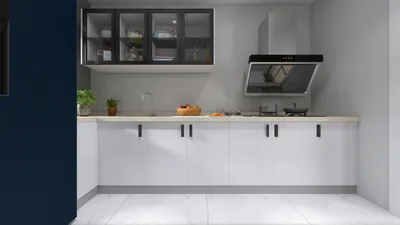


Having installed an extensive number of small kitchen backsplashes, I've learned that the cost can be surprisingly manageable with appropriate planning. For an average backsplash spanning 20 to 30 square feet, U.S. homeowners generally invest between $450 and $1,350, influenced by the selected tile, complexity of the pattern, and associated labor. Research from Steelcase indicates that well-organized spaces paired with appropriate lighting can streamline the installation process, minimizing errors and ultimately reducing costs. The WELL v2 Light guideline stresses the importance of balanced vertical lighting to decrease glare, which aids in achieving accuracy during installation and further lowers financial outlay.
From my latest projects, the typical cost breakdown for a 25 square foot backsplash includes: $150 to $450 for tiles, $60 to $120 for installation materials (such as thinset, grout, and spacers), $200 to $600 for labor (covering installation over two days), and $40 to $180 for edge profiles, caulk, and miscellaneous expenses. In terms of ergonomics, research from Herman Miller reveals that reducing awkward reaches and enhancing task lighting can significantly decrease both the required time and the likelihood of errors; ensuring the installer works without shadows beneath cabinets allows for quicker alignment of patterns and reduces waste. Homeowners taking on the role of general contractor can save on costs by keeping materials within reach and setting the work surface at an optimal height.
Key Cost Elements
The choice of tile material plays a significant role in overall costs. While basic ceramic or subway porcelain tiles range from $3 to $8 per square foot, unique handmade zellige or premium mosaics can escalate the cost to $15 to $35 per square foot. Natural stone typically falls between $10 and $25 per square foot but requires sealing, which adds to the expense. When considering setting materials, anticipate spending $20 to $40 for high-quality thinset, $15 to $35 for grout (either sanded or unsanded), and $10 to $25 for spacers and wedges. If you're incorporating metal edge trims for a polished finish, budget $20 to $60 per 8-foot segment. Labor costs can vary widely, with straightforward layouts generally costing $8 to $20 per square foot, while more intricate designs like herringbone or custom mosaics might reach $20 to $35 per square foot.
Cost Ranges Data from Reddit
Insights shared on Reddit often mirror these findings: DIY enthusiasts frequently report a total investment of $250 to $600 for basic ceramic subway tile projects if tools are already available. On the other hand, professional installations typically range from $700 to $1,400 for similar sizes, inclusive of cleanup and caulking. Patterns like herringbone and small hex mosaics can drive labor costs up by 20 to 40% due to the need for precise cuts and layout adjustments. Homeowners also mention that relocating outlets or enhancing under-cabinet lighting can quickly increase the overall bill, even if the tile costs remain constant.
Strategizing Your Layout for Budget Efficiency
To keep backsplash budgets manageable, two primary guidelines should be followed: limit unnecessary cuts and maintain visual alignments. I recommend dry-fitting the layout starting from the most visible edge, often near the range, and carrying full tiles into corners to establish symmetry. Ensuring that grout lines are centered around outlets minimizes notches and accelerates installation. For visualizing different patterns—be it staggered, stacked, or herringbone—using a digital design tool like Homestyler can help you map out tile counts and anticipated cut lines prior to making any purchases.
Lighting and Ergonomics Impact Cost
Implementing under-cabinet task lighting is essential to eliminate shadowing that complicates grout joint alignment. The WELL v2 Light framework highlights the importance of consistent lighting to minimize glare; applying this concept to backsplash installations helps avoid excessive thinset build-up and ensures clean reveals. Keeping a portable 4000K work light handy is advisable to replicate typical kitchen lamp tones and mitigate error perception. From an ergonomic standpoint, utilizing a stable work surface at or near elbow height diminishes wrist strain and reduces the potential for miscuts—simple adjustments that can significantly decrease the time spent on the project.
Material Selection: Durability and Maintenance Considerations
Ceramic and porcelain tiles present a cost-effective, low-maintenance option, making them excellent choices for high-splash zones such as areas behind sinks and cooking ranges. Natural stone offers a luxurious appearance but demands sealing as well as a specific cleaning regime; it's wise to budget $20 to $40 for a quality sealer and account for extra labor if needed. Glass tiles may provide a vibrant look but can highlight thinset ridges, so plan to use white thinset and apply careful trowel techniques. If your kitchen features warm lighting of 2700 to 3000K, opting for warmer tile whites can help prevent an unflattering blue tint; research from Verywell Mind suggests that warmer colors create a more inviting atmosphere, ideally suited for the kitchen's daily function.
Substrate Preparation and Moisture Protection
Proper preparation is key to avoiding rework. If you're dealing with glossy paint, ensure you scuff-sand and prime it or use an appropriate bonding mortar. For drywall in splash-prone areas, inspect for grease and fill any divots before proceeding with tile placement. When there's a likelihood of significant water exposure, such as near a sink, consider investing $25 to $50 in a light waterproofing membrane for peace of mind, although most standard backsplashes will hold up well with careful caulking at the edges of countertops and sinks. Always caulk changes in plane rather than grouting to prevent hairline cracks.
Labor Considerations: Outlets, Trim, and Timeline
Each outlet introduces additional complexity to the installation: more cutouts equate to longer installation times. Essentially aligning outlet covers with grout lines helps achieve cleaner, less visible cuts. Using metal edge trims can lend a more refined look, particularly where tiles terminate mid-wall, and they are often cheaper than bullnose tiles across various collections. Regarding scheduling, a small backsplash usually requires two brief site visits: one for setting and another for grouting. If your contractor offers bundled pricing that includes cleanup and silicone caulking, that's a good value; alternatively, if these are priced separately, expect to pay an additional $50 to $150.
Comparing Herringbone and Subway Patterns
Herringbone patterns can add visual interest to compact kitchens by introducing dynamic lines that break up long stretches. However, deploying this pattern increases costs, potentially necessitating an extra 20 to 35% in labor due to layout complexity, cutting, and waste. For tight budgets, consider opting for a standard stacked bond with a distinctive feature strip behind the range. An effective compromise can be achieved with a single row of herringbone or chevron to serve as a focal point without incurring extensive pattern installation costs.
Durability and Maintenance Insights
The choice of grout color can significantly influence the perceived cleanliness of your backsplash. Mid-tone, stain-resistant grout tends to hide daily splashes more effectively than stark white options. Both porcelain and ceramic require little more than a pH-neutral cleaner for maintenance. For stone materials, plan to reseal annually, subsequently shifting to every 2 to 3 years based on usage. A well-installed backsplash should endure for over a decade with minimal upkeep.
Cost Illustrations
For budget ceramic subway tiles, opting for a DIY approach can yield total costs from $250 to $550 (including $100–$200 for tiles, $60–$120 for materials, $40–$80 for incidentals, and no labor cost). A professional installation for the same budget ceramic tiles typically ranges from $650 to $1,050 (with similar tile and material costs plus $400–$700 for labor). Mid-range porcelain mosaics may cost between $900 and $1,450. For stone with sealing and edge trims, budgets should reflect between $1,100 and $1,800. Electrical enhancements or lighting upgrades can add another $150 to $600 based on the extent of work needed.
Frequently Asked Questions
Most small kitchens require approximately 20 to 30 square feet of backsplash to adequately cover the space between base and upper cabinets, including the area above the range.
Absolutely, especially if you already possess the necessary tools and can manage clean cuts and layout. DIY efforts can save homeowners between $400 and $800 in labor costs, but it's advisable to plan for additional time and purchase about 10% more materials to account for mistakes and waste.
Standard ceramic or porcelain subway tiles offer an excellent balance of value, with low material costs, straightforward cutting, and forgiving installation processes. Natural stone evokes a premium feel but necessitates sealing and more careful installation practices.
Standard cement grout remains the most economical choice. Stain-resistant or epoxy grout options generally increase material costs by an additional $1 to $3 per square foot, plus require additional labor, but they can lessen long-term maintenance efforts and stains.
Each outlet or switch box introduces additional cuts and potential notches. Anticipate an extra 15 to 30 minutes per outlet box; complex layouts can drive total labor costs up by an additional $50 to $150.
In terms of color accuracy, neutral-white task lighting set around 3500 to 4000K minimizes errors in perception and glare. The WELL v2 framework focuses on balanced vertical illuminance, which assists in maintaining straight grout lines and consistent joints.
In many instances, meticulous caulking combined with appropriate thinset application suffices. In areas prone to splashes, a lightweight membrane often provides inexpensive protection, usually in the range of $25 to $50 for smaller sections.
To account for waste and potential future repairs, it’s wise to order an additional 10% in materials for basic layouts and 15% for more complex mosaics or herringbone designs.
Yes, utilizing metal edge profiles often yields a neater appearance, frequently costing less than bullnose options, particularly in collections without matching trim.
Opting for stacked or running-bond subway designs allows for quicker installation while minimizing waste. Consider employing a digital mockup with a layout simulation tool like Homestyler to finalize your starting points and cutting strategy.
Typically, plan for one day to set and a short visit the following day to grout and caulk. More complicated patterns or walls with numerous outlets could extend that timeframe to two full days.
To maintain your backsplash, promptly wipe away splashes, utilize pH-neutral cleaners, and reseal stone as necessary. Opting for mid-tone grout will help better conceal everyday wear and tear.
References and Further Reading
Delve into principles of effective task lighting and healthy installation settings through WELL v2, along with findings on workplace efficiency that can be applied to installation ergonomics available through Steelcase Research.


Homestyler is your go-to online home design platform, perfect for transforming your space with ease. Featuring an intuitive design tool, stunning 3D renderings, a wealth of design projects, and informative DIY video tutorials, it empowers you to create your dream home effortlessly.
Design Now for FREE
































