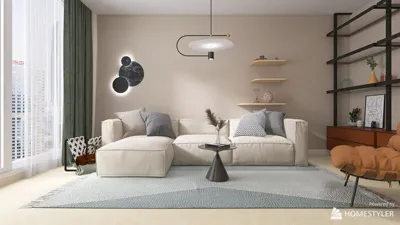


One time, I suggested placing a neon pink pendant light in a client’s study that lacked windows. Their initial reaction was laughter, but they soon acknowledged it was far less dreary compared to the clinical recessed lighting they had endured for years. This unusual idea taught me the significant impact playful lighting can have on transforming a dimly lit room. In compact and low-light spaces, creativity is essential; thoughtful lighting choices can truly make a gloomy atmosphere vanish.
1. Create a lighting layer: ambient, task, and accent
I always begin with layered lighting. Ambient light serves as the foundation, task lighting assists in activities like reading or cooking, and accent lighting adds a touch of glamour. For effective implementation, consider combining a dimmable ceiling fixture with focused desk lamps and wall washers. This approach allows for versatility, but it requires a delicate balance to ensure the room feels vibrant rather than flat.
save pin
2. Opt for warm, high-CRI bulbs
Choose LED lights boasting a CRI of 90 and above, with warm color temperatures (2700–3000K). After I replaced fluorescent lights with warm high-CRI LEDs in a townhouse, my client even noticed that their plants appeared healthier — this is a true story! While the cost of high-CRI LEDs can be higher, their ability to render colors authentically and make skin tones look natural is invaluable.
save pin
3. Incorporate reflective surfaces and light shelves
Using mirrors, glossy backsplashes, and light-colored ceilings can act as free light-enhancing fixtures. I once installed a sleek horizontal mirror above kitchen cabinets in a dim architectural design, and it felt as though the room doubled in brightness. However, it’s essential to avoid excessive gloss, as too much reflection can lead to glare.
save pin
4. Use multiple small fixtures instead of one large one
Distributing several small fixtures throughout a room helps minimize harsh shadows and creates a cozy ambiance. Consider using track lights, dimmable recessed cans, or a series of pendant lights at varying heights. Although this method requires more wiring, the resulting even distribution of light is definitely worth the effort.
save pin
5. Introduce portable and smart lighting solutions
Utilizing floor lamps, LED strips beneath cabinets, and smart bulbs gives you the ability to adjust brightness and color throughout the day. I assisted a client in automating warm tones for the evening and cooler tones for the morning, enhancing both their mood and sleep quality. The learning curve can be daunting for smart setups, but utilizing templates and presets simplifies the process.
If you're interested in visualizing ideas and experimenting with how different fixtures influence a room's atmosphere, consider using the 3D floor planner tool from Homestyler to test out placements and lighting directions.
save pin
FAQ
Q: What color temperature is most suitable for a dark living room?
A: Aim for a temperature between 2700 and 3000K to achieve a warm and inviting atmosphere. If you require clearer task lighting, supplement with 3500K lights near reading zones.
Q: How many lumens should I target for a small dark bedroom?
A: For ambient illumination, strive for approximately 10–20 lumens per square foot, alongside additional task lighting near desks or bedsides.
Q: Are smart bulbs beneficial for a dim environment?
A: Absolutely — they allow for adjustments in brightness and color to suit different times of day, enhancing comfort and energy efficiency.
Q: Do mirrors really brighten a space?
A: Definitely. When placed opposite a light source or window, mirrors reflect and amplify light; even strategically placed small mirrors can contribute significantly.
Q: What types of fixtures minimize glare?
A: Fixtures equipped with diffusers, upward-facing sconces, and indirect lighting setups are excellent for reducing glare while dispersing gentle illumination.
Q: How can I effectively illuminate a kitchen without windows?
A: Combine recessed ambient lighting, under-cabinet task lighting, and a pendant light above the island to achieve optimal layered lighting.
Q: Are high-CRI bulbs necessary?
A: Yes, especially in areas where color accuracy is crucial, like kitchens and art studios — high CRI (90+) bulbs ensure truer color representation. For guidance on LED performance and CRI values, refer to the U.S. Department of Energy's resources (https://www.energy.gov).
Q: Can lighting enhance mood in poorly lit spaces?
A: Certainly! Utilizing warmer, layered lighting can alleviate stress, and employing smart dimming options helps synchronize lighting with your natural circadian rhythms.
save pin
Homestyler is your go-to platform for effortless home design! Featuring an intuitive online design tool, stunning 3D renderings, and a wealth of DIY video tutorials, it empowers you to create beautiful spaces no matter your experience level. Bring your vision to life today!
立即免费设计
































