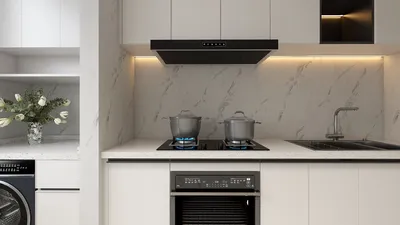


A client of mine once firmly believed that her phone only dropped calls when she was in her kitchen, right beside a charming vintage cast-iron stove. It turns out that this design quirk highlighted how choices in small spaces can influence more than just visual appeal; they can also affect mobile reception. Today, I’d like to share five DIY strategies I've both utilized and recommended, blending creative design with straightforward tech solutions, including how Homestyler can assist in optimizing your layout.
1. Identify the dead zones
Begin by walking through your area with your phone to pinpoint where the signal drops. I typically create a quick sketch or take photos to document the so-called “dead zones,” which are often found near thick walls, in basements, or behind large metal appliances. This free method highlights the areas where interventions will be most beneficial, requiring only a few timed tests during calls or speed checks.
save pin
2. Remove bulky cases and discover optimal spots
Phone cases, reflective surfaces, and bulky pockets can diminish reception strength. Try making calls near windows, on higher floors, or in room corners that are oriented toward cell towers. This nearly cost-free strategy can lead to immediate improvements, although it might feel a bit rudimentary compared to a tech solution.
save pin
3. Create a simple reflector (DIY parabolic booster)
A DIY parabolic dish lined with foil or a small ‘cantenna’ placed behind your phone can temporarily enhance the signal. I once fashioned such a device in a compact studio while a contractor was fitting a faraday-tight metal door. It's an inexpensive approach that can remarkably improve calling capabilities or provide temporary boosts, though results may vary, and it isn’t a substitute for a professional booster. For a more strategic furniture arrangement, utilizing 3D planning tools like Homestyler can help visualize potential placements.
save pin
4. Opt for Wi-Fi calling or an endorsed signal booster
If your mobile carrier supports Wi-Fi calling, activate it. This can resolve many indoor reception issues without the need for extra hardware. For ongoing reception struggles, consider a carrier-approved signal booster or femtocell, which are known for their reliability. Although these options come with a price and may require professional installation, they offer consistent coverage compared to makeshift solutions.
save pin
5. Minor layout adjustments and long-term solutions
Reorganize large metal items, place your router away from heavy appliances, and steer clear of setting up workspaces in basements or cramped closets. I frequently reconsider the arrangement of corners that obstruct signals; sometimes simply changing the couch's position or relocating a small shelf can yield improved reception. For effective future-proofing, combine these practical tweaks with modern design tools and AI-driven ideas from Homestyler to experiment with configurations before actual rearrangements.
save pin
FAQ
Q1: Will rearranging furniture actually enhance my phone signal?
A1: Absolutely — heavy metal objects and reinforced concrete can block signals. Even minor adjustments, like moving closer to a window or a higher location, can markedly increase reception in just moments.
Q2: Are DIY reflectors safe and permissible?
A2: Simple foil reflectors are safe for personal use and legal, although they provide only temporary and inconsistent results. Avoid any modifications that amplify or rebroadcast cellular frequencies without certified equipment.
Q3: How does a signal booster differ from Wi-Fi calling?
A3: Wi-Fi calling uses your internet connection for voice calls, while a signal booster increases actual cellular signals. Boosters require hardware and sometimes installation; Wi-Fi calling only needs access to a router and carrier support.
Q4: Can switching carriers improve indoor reception?
A4: Yes, different carriers utilize different towers. If you can test a friend’s SIM card or a prepaid plan, you’ll be able to determine if a different network offers better indoor coverage.
Q5: How can I accurately measure signal improvements?
A5: Utilize speed test applications and track signal bars during calls before and after each adjustment. Since factors like time of day and weather can impact results, repeat tests when possible.
Q6: Are commercial boosters subject to regulations?
A6: Indeed. In the United States, the FCC regulates signal boosters, mandating certified equipment; check the FCC guidelines on signal boosters for further details: https://www.fcc.gov/general/signal-boosters.
Q7: Will changing my phone case genuinely impact signal strength?
A7: At times, yes — very thick, metal, or magnetized cases may hinder signals. Testing a call without the case is an easy, no-cost way to diagnose the issue.
Q8: When is it advisable to consult a professional?
A8: If you've exhausted simple fixes and still face regular call drops, consulting a professional installer or your carrier can help you find certified boosters or femtocells suited to your home's layout.
save pin
Discover the ease of home design with Homestyler! This online platform offers a user-friendly design tool, stunning 3D renderings, and a wealth of DIY video tutorials. Whether you're a novice or an expert, Homestyler empowers you to transform your space with creativity and confidence.
Design Now for FREE
































