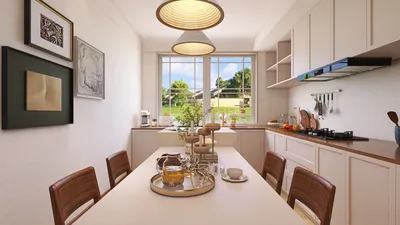


I once accepted the challenge of painting a client’s narrow hallway with a bold chevron pattern using only painter's tape and a lot of enthusiasm — which almost resulted in the tape sticking permanently to the baseboard. This experience taught me two vital lessons: working with small spaces requires bravery, and painter's tape is an invaluable tool for any designer. For inspiration on how a straightforward concept can transform a room, I frequently refer to room planning examples to generate ideas regarding proportion and scale related to different spaces.
1. Clean Geometric Grid
I have a fondness for grids because they convey a sense of calm and order, even in a tight studio space. By taping off evenly spaced squares or rectangles and alternating paint tones, the reveal showcases crisp lines that appear luxurious, yet the expense is minimal. The key is to measure twice and tape once, using a high-quality matte paint to ensure that any minor seam flaws fade in low light. However, patience is essential as you wait for the paint to dry thoroughly.
2. Oversized Stripes with Slight Imperfections
Stripes can enhance the perception of height or width depending on their orientation. With tape, you can create large, imperfect bands that exude a handcrafted feel. I typically recommend combining two neutral colors with one accent; this approach is forgiving if the lines are not perfectly straight, which can be particularly helpful if you're holding a glass of wine while painting. A budget tip: using a strong accent color over a lighter base can effectively hide imperfections, but keep an eye out for bleed-through on glossy surfaces.
save pin
3. Faux Wainscoting Panels
Using tape can mimic the look of millwork: simply frame out rectangles on the lower half of the wall, paint them a slightly darker or glossier shade, and voila, you have the appearance of panels without the hassle of carpentry. This technique is especially favored by renters who want the elegance of trim without making permanent changes. If you're working near a kitchen or narrow hallway, explore kitchen layout ideas to see how the proportions of your panels interact with cabinetry and traffic flow. A small challenge here is aligning panel heights across doorways or other interruptions — it’s crucial to measure from the same reference point for a cohesive appearance.
save pin
4. Negative Space Shapes
This is one of my go-to tricks when clients desire artistic flair without the expenses of commissioned art: masking off organic shapes or letters and painting the surrounding area, while leaving the masked portion in its original color. The final reveal has that gratifying 'wow' factor — especially effective on a single accent wall in a studio bedroom. It’s budget-friendly and forgiving, though creating complex curves requires many small tape pieces and a steady hand for neat edges.
save pin
5. Tape-Resist Murals and Layering
When I feel creative, I love layering tape to craft a stencil-like mural: apply a base coat, lay down tape in a desired pattern, add another color, remove the tape, and repeat. This is how I achieved an eye-catching, textile-like wall in a client's living area without needing to hire an artist. If you enjoy striking patterns that photograph well for social media, look into 3D floor planner examples for bold designs and scale inspiration. The downside: this method is time-intensive, and you may need to create a few test panels to fine-tune color contrasts.
Small spaces can truly inspire innovative ideas: with just painter's tape, a brush, and a touch of bravery, you can transform plain walls into works of art that appear custom-made. My final piece of advice would be to keep a small hand sander or a razor on standby to clean edges before painting; it saves a lot of hassle during the peeling process later on.
save pin
FAQ
Q1: What type of tape should I use for wall painting?
I recommend using high-quality painter's tape designed for delicate surfaces; it adheres well without damaging the drywall paper upon removal. For perfect lines on freshly painted surfaces, choose a tape that promises 'clean removal' within 14 days.
Q2: How long should I wait between coats?
Wait until the paint is touch-dry, ideally allowing 2-4 hours between coats for most latex paints; you may need to wait longer if humidity is high. Rushing can lead to issues with peeling when removing the tape.
Q3: Can I do this in a rental?
Absolutely — tape designs are ideal for renters because they can be easily reversed; stick with removable painter's tape and avoid heavy primer layers that could permanently alter the original color.
Q4: How do I prevent paint bleed under the tape?
Seal the edge of the tape by brushing the base color over the tape seam first, allow it to dry, and then proceed to paint your top color; this technique blocks bleed and ensures crisp edges.
Q5: What paints and finishes work best?
Matte and eggshell finishes effectively mask minor edge flaws, while satin or semi-gloss can highlight edges but may showcase imperfections. For high-traffic areas, it's advisable to opt for a washable finish.
Q6: Any tips for curved or organic shapes?
Use shorter pieces of tape to follow the curves, or consider using stretchable paper tape for smoother arcs; practice on a separate board before applying to the wall for the best results.
Q7: Is there a source that recommends tape removal times and techniques?
Yes — manufacturers like Sherwin-Williams provide guidance on using painter’s tape and removal techniques; check their technical tips at https://www.sherwin-williams.com/ for detailed product advice.
Q8: How do I estimate the amount of paint needed for a taped design?
Calculate the total wall area as you normally would, then add an additional 10-20% for overlap, test panels, and second coats. Taped designs frequently require touch-ups, so it’s wise to budget for extra paint for minor corrections.
save pin
Homestyler is your go-to online platform for transforming home design dreams into reality. With its easy-to-use design tool, stunning 3D renderings, diverse design projects, and helpful video tutorials, you can effortlessly create and visualize your ideal space, no matter your skill level!
今すぐ无料でデザイン
































