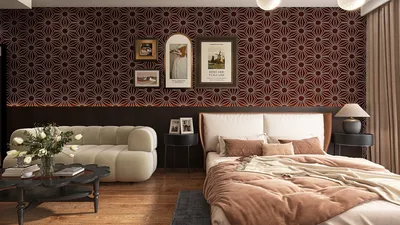


I see bohemian decor as an immersive tale, rich with textures that are collected, handmade, and lived-in. This aesthetic truly shines through the layering of natural materials, vibrant global patterns, and unique treasures that seem to have journeyed with you. It’s not just a haphazard mix—it’s a thoughtfully curated warmth. To maintain this intentional ambiance, I carefully balance elements of color, lighting, and ergonomics, creating a space that feels invigorating during the day and soothing in the evening. Research supports this harmony: WELL v2 suggests maintaining lighting levels between 300–500 lux for daily tasks, while a softer glow in the evening promotes healthy circadian rhythms. Color plays a crucial role too; studies on color psychology indicate that warm earth tones can evoke comfort, while occasional vibrant accents can energize a space (see Verywell Mind on color psychology).
Boho spaces often serve as multifunctional live-work areas, where comfort is key to productivity. Research by Steelcase suggests that having control over your environment and varying your posture can enhance comfort and focus during lengthy work sessions. Alternating between a lounge chair, floor cushions, and a desk stool can help mitigate fatigue while retaining that free-spirited aura. In my designs, layering different seating options and establishing distinct micro-zones consistently enhances how long clients prefer to remain in their surroundings.
Craft Your Boho Color Scheme with Intention
Begin with a foundational color palette of warm whites, sandy beiges, and tones akin to camel or clay. Next, introduce two to three accent colors drawn from textiles or art. Personally, I love how terracotta pairs beautifully with sage green and indigo for a sun-drenched, adventurous feel. Opt for low-sheen finishes to minimize glare and maintain texture. If the room feels flat, infuse contrast with elements like blackened metal hardware or a charcoal woven throw to anchor the overall design.
Lighting That Mimics the Charm of Sunset
The boho aesthetic flourishes in layers of lighting. Combine a softly glowing overhead fixture with two or three lamps positioned at varying heights—think rattan pendants, intricately carved wood table lamps, or a floor lamp with a linen shade. Aim for a warm light temperature of 2700–3000K across most fixtures for a relaxing evening glow, while ensuring task lighting sits between 300–500 lux, in accordance with WELL v2 recommendations, for activities like reading or crafting. Adding dimmers will help you set the right mood. Opt for shaded or diffused light sources to soften stark contrasts, and consider integrating a small salt lamp or a cluster of candles for a cozy nighttime atmosphere.
Textiles: The Heart and Soul of Bohemian Style
Incorporate a variety of scales, origins, and textures. A flatwoven kilim can complement a plush Moroccan-style rug, creating a visual balance. Layer cushions featuring hand-block prints, kantha quilts, and embroidered suzanis for depth. For those inclined towards DIY projects, consider over-dyeing a thrifted cotton throw with natural dyes like madder, indigo, or turmeric, and finish the edges with braided tassels. Make patterns cohesive: repeat a color across at least three elements in the room to enable the eye to wander gracefully.
DIY Wall Celebrations That Create Impact
Design a gallery wall featuring vintage postcards, pressed flowers, macramé, and woven baskets. Use an assortment of frame finishes—light wood, antique brass, and pristine white—to maintain a balanced look. For a quick, effective DIY, consider limewashing a feature wall; its textured, soft appearance introduces depth without overwhelming color. If drilling isn’t an option, test your layout digitally with an interior layout planner or pre-arrange elements on the floor to refine spacing.
Natural Materials Reflecting Honest Craftsmanship
Opt for materials that improve with age, such as mango wood, rattan, jute, seagrass, clay, and raw linen. Unique imperfections add character to each piece. Consider upcycling: transform a vintage trunk into a coffee table or wrap a basic lamp cord in cotton rope. Incorporate cane webbing into a cabinet for both airflow and texture. Treat raw wood with low-VOC oil to keep a matte finish that showcases the grain.
Layered Seating and Diverse Micro-Zones
Bohemian spaces appear more inviting when they offer multiple seating options. Arrange a circle of floor cushions around a low table for activities like tea drinking or sketching. Position a lounge chair near the sunniest window for reading, and incorporate a compact desk or console for light laptop work. When designing a small studio or a versatile living space, utilize a room layout tool to outline furniture dimensions and ensure smooth flow and door access.
Lush Greenery as Living Art
Incorporating plants adds both structure and softness to the decor. Mix various heights—place pothos on a shelf, a medium-sized rubber plant on a stool, and a statement palm or fiddle leaf near a sunlight-filled window. Utilize terracotta and hand-glazed pots for a charming patina. For acoustic benefits, group leafy plants against reflective walls to slightly reduce echoes in more solid rooms.
Creative Boho Lighting Projects
- Adorn a basic drum shade with open-weave jute or cane to create beautifully dancing shadows at night.
- Macramé a pendant cover to soften harsh direct light—pair it with warm-dim LEDs (around 2700K).
- Transform a basket into a pendant lamp: add a UL-listed pendant kit and a diffuser disc to minimize glare.
- Weave fairy lights through driftwood for a sculptural, low-light feature above a console table.
Gentle Application of Color Psychology
Earthy neutrals such as tan, clay, and olive convey calmness and stability, while pops of deep indigo or ochre can spark creativity without overwhelming the atmosphere. If you're crafting or journaling in the space, maintain a neutral, matte work surface to minimize visual distractions. Incorporate brighter tones into movable items—such as throws, cushions, and small art pieces—so you can adjust the color intensity seasonally.
Acoustic Comfort with Soft Layers
Textiles serve a dual purpose by also controlling sound. Employ a dense rug pad underneath layered rugs, linen curtains that are lined with cotton, and wall-hung weavings to help diminish echo. If your floors consist of tile or concrete, adding cork sheets beneath area rugs noticeably reduces footfall noise. Filling bookshelves with a mix of objects also helps disperse sound while enhancing that collected feel.
Storage Solutions That Maintain the Boho Ethos
Utilize woven baskets under benches, ornate boxes on shelves, and fabric bins inside cabinets. Discreetly label your storage with leather tags or hand-stamped paper, ensuring your aesthetic remains tidy. A lidded trunk can conceal extra throws while serving as a coffee table.
Sustainable and Cost-Effective Choices
Opt for secondhand wooden pieces for superior craftsmanship and a lower environmental impact. Choose natural fabrics like cotton, wool, jute, and linen over synthetic options, and repair rather than replace items: re-tie loose cane seats, patch quilts using visible mending techniques, or refinish scuffed side tables with low-VOC oil.
Step-by-Step Guide: A Weekend Boho Makeover
Day 1: Start by decluttering surfaces; lay down a large neutral rug, add a patterned runner on top; hang a rattan pendant light on a dimmer switch; and place plants alongside a reading chair positioned in natural light. Day 2: Limewash your focal wall; compose your gallery wall on the floor as a grid before hanging; introduce throws and cushions in three harmonious colors, and complete the space with a scented candle and a storage basket for everyday items.
Professional Insights I Rely On
- Lighting: Aim for 300–500 lux for task areas and a temperature of 2700–3000K for evening ambiance, as recommended by WELL v2 Light guidelines (v2.wellcertified.com).
- Behavior: Promote posture changes and control over the environment, both important for comfort and focus, especially in workplace settings (steelcase.com/research). These principles can be effectively applied in bohemian live-work settings through the combination of seating choices and adjustable lighting options.
Frequently Asked Questions
Q1: What can I do to prevent boho decor from appearing cluttered?
A: Limit your color palette to a foundational base plus two or three accent colors, repeat essential colors three times throughout the space, and offset detail-rich vignettes with calmer surfaces. Woven baskets and lidded boxes can retain the collected aesthetic while discreetly concealing extra items.
Q2: What lighting color temperatures are best suited for boho spaces?
A: Use 2700–3000K for general ambient lighting, and incorporate task lights that provide 300–500 lux over desks or reading chairs. Layer different height lamps and include dimmers to effectively transition the atmosphere from day to night.
Q3: Which plants thrive in low-light bohemian corners?
A: Pothos, snake plants, and ZZ plants thrive in indirect light. Position one on a stool, let another trail from a shelf, and group to create depth without overcrowding the space.
Q4: How can I integrate boho elements with modern furniture I already have?
A: Keep the modern pieces as foundational elements, then soften their edges with textiles such as kantha throws, patterned pillows, and a jute rug. Introduce a single artisanal wood or rattan piece to harmonize different styles.
Q5: Are there any quick DIY wall options that won’t hurt rental properties?
A: Employ removable hooks to hang woven baskets and macramé art, utilize peel-and-stick limewash-inspired wallpaper, and lean framed images on shelves to eliminate the need for nails.
Q6: What’s an economical method to introduce texture into a room?
A: Layer a natural fiber rug over an existing one, replace plain lampshades with linen or cane options, and add a DIY tassel edge to throws. Thrifted textiles can really enhance your space without breaking the bank.
Q7: How should I arrange furniture in a compact boho bedroom?
A: Start by ensuring there’s enough clearance—at least 24–30 inches around your bed if possible. Position your largest piece (the bed) across from the entry for a calming visual, and use a room layout tool to experiment with different arrangements before finalizing your decisions.
Q8: What colors are best for promoting relaxation in a bohemian environment?
A: Warm neutrals, subtle greens, and soft blues foster a restorative atmosphere. Keep vibrant, saturated hues to smaller accent pieces to maintain a soothing environment.
Q9: What strategies can I use to improve acoustics without installing heavy soundproof panels?
A: Layer rugs with dense padding beneath, opt for lined curtains, add wall weavings for texture, and fill bookshelves with a mix of books and ceramics to scatter sound reflections.
Q10: Are natural materials worth their upkeep?
A: Absolutely—wood, linen, wool, and rattan not only age beautifully but can also be refurbished. Protect them with low-VOC finishes and rotate your sun-exposed textiles to prevent uneven fading.
Q11: Can boho decor be integrated into a workspace?
A: Without a doubt. Maintain a neutral workspace, select a supportive chair, and introduce a floor cushion for changing seating posture. Use warm, dimmable task lights, as research connects environmental control with improved focus—elements that layered bohemian environments naturally promote.
Q12: What’s the simplest weekend enhancement I can make?
A: Limewash a focal wall, swap out for a textured rug, and install a rattan pendant light with a dimmer. Conclude with three cohesive textiles to unify your color scheme.
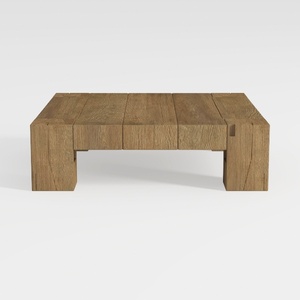
Rustic Solid Oak Wood Coffee Table Minimalist Living Room 3D Model
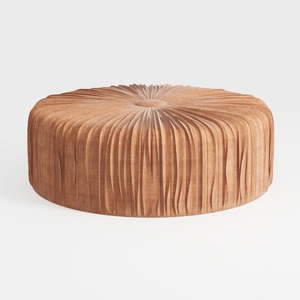
Minimalist Round Tufted Fabric Ottoman 3D Model
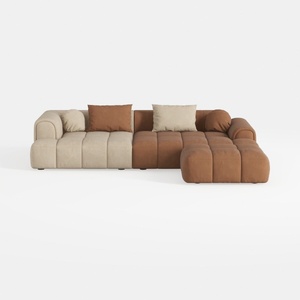
Modern Velvet Sectional Sofa, U Shape Minimalist M
Homestyler is your go-to online platform for effortless home design. With a user-friendly design tool, stunning 3D renderings, and an array of inspiring design projects and video tutorials, you can easily create your dream space—no prior experience necessary!
Zaprojektuj teraz za darmo
































