

Direct Answer
A living room decorated in blue and white radiates a fresh, coastal vibe with a light and airy atmosphere, while adding brown to this palette introduces warmth, depth, and a rich natural texture. If your space feels overly cold or flat, incorporating brown accents typically brings better harmony. For an open and minimalist appearance, sticking to the blue and white scheme usually works best.
Quick Takeaways
Introduction
Having designed numerous coastal, transitional, and modern interiors, I’ve observed a common challenge among homeowners: deciding between a blue and white living room or one that adds brown hues. Though the two palettes seem quite similar on paper, the inclusion of a third color profoundly influences the room’s ambiance.
Many blue and white rooms appear gorgeous in photographs, yet in real life, especially in spaces lacking ample natural lighting, they can feel surprisingly chilly. This is where brown often comes into play. Elements like wooden flooring, leather furniture, and warm textiles help anchor the palette, creating a grounded and inviting environment.
If you’re trying out different layouts or experimenting with color options, using a digital visualization tool like Homestyler can provide valuable insights by previewing the palette within a virtual room before you invest in furniture.
This guide explains how these two color schemes perform in actual interiors, identifies situations where brown improves the design, and warns when it may make a space feel overly heavy.
Overview of Blue, White, and Brown vs. Blue and White Living Room Styles
Key Insight: The distinction between these palettes involves more than just the number of colors—it influences the emotional tone and visual dimensionality of the room.
A blue and white living room often evokes a coastal, Scandinavian, or minimalist style. The strong contrast between deep blues and crisp white surfaces provides a clean, sharp aesthetic with clear visual definition.
Meanwhile, adding brown introduces a natural warmth that appears through elements like wood floors, walnut furnishings, leather sofas, or woven accents.
Typical Style Alignment:
Interior designers frequently view brown as a "visual anchor." In its absence, vivid blues can feel somewhat suspended, especially in spaces with white flooring or white furniture.
Color Balance and Visual Warmth Variations
Key Insight: Brown tones reduce the coolness of blue-white interiors and prevent them from feeling stark or sterile.
Blue is inherently a cool hue. When paired solely with white, the space may appear fresh but emotionally detached, particularly in north-facing rooms that receive cooler natural light.
The introduction of brown shifts this balance considerably.
Visual Warmth Comparison:
In several projects I’ve handled, switching a white coffee table for walnut or oak immediately transformed a room that previously felt like a sterile gallery into one that seemed warm and lived-in.
Furniture and Material Combinations in Each Palette
Key Insight: The presence of brown dramatically affects how furniture materials are selected and paired.
In strictly blue and white rooms, furnishings tend to remain light and streamlined, such as white upholstery, glass tables, chrome details, or painted wood.
With brown incorporated, the design palette broadens significantly.
Common Material Pairings:
This versatility is why many designers prefer three-color schemes for long-term adaptability. Natural wood furniture easily blends with future decor updates.
If you’re organizing furniture placements or experimenting with materials, tools like Homestyler allow you to realistically preview various color palettes within a 3D room design environment.
Best Room Sizes for Each Color Palette
Key Insight: Simpler color schemes typically work better in smaller rooms, as fewer visual components reduce clutter.
Room dimensions influence palette effectiveness more than many homeowners realize.
Recommendations by Room Size:
In spacious living areas, the two-color blue and white approach may feel unfinished. Interior designers often add wood beams, brown leather seating, or walnut furniture to ground the space visually.
Maintenance and Long-Term Style Durability
Key Insight: Brown materials tend to age gracefully and disguise signs of wear, making the scheme more forgiving over time.
A practical aspect less often discussed is upkeep.
White furniture shows imperfections quickly; in blue and white rooms, stains, discolorations, and scratches stand out more prominently.
Brown materials behave differently in this regard.
From a longevity standpoint, many designers introduce at least one wooden or leather centerpiece within cooler palettes to enhance durability and timelessness.
How to Select the Ideal Palette for Your Living Room
Key Insight: The optimum palette depends more on factors like lighting, furniture choices, and lifestyle rather than color preference alone.
Here’s a decision-making framework I often employ with clients.
Opt for blue and white if:
Choose blue, white, and brown when:
When uncertain, many designers use quick digital renderings in tools like Homestyler to present homeowners with realistic previews of both palettes, making the final decision clearer.
Answer Box
A blue and white living room offers a clean, coastal aesthetic, whereas adding brown gives warmth and enhanced texture. Smaller spaces frequently benefit from the simpler two-color palette, while larger rooms gain balance through natural wood or brown accents.
Final Summary
FAQ
Does adding brown to a blue and white living room make it warmer?
Absolutely. Brown brings natural warmth via wood or leather pieces, counterbalancing the coolness of blues.
Should brown be included in a blue and white living room?
If your room feels chilly or flat, introducing brown furniture or wooden elements often improves the overall balance.
Which palette is best suited for small living rooms?
The blue and white palette generally works better as fewer colors help the space feel more expansive.
Does brown darken a living room?
Not necessarily. Light oak or warm walnut tones can enrich the palette’s depth without diminishing brightness.
What furniture pairs well with a blue, white, and brown living room?
Leather sofas, walnut tables, oak shelves, and woven textiles naturally complement this color combination.
Can a blue and white living room appear modern?
Yes, combining navy accents with white furnishings, chrome lighting fixtures, and minimal decor yields a modern feel.
What is a common mistake in blue and white interiors?
Overusing white furniture without integrating natural materials can make a space feel sterile and uninviting.
Which palette stands the test of time better?
The combination of blue, white, and brown generally ages better since natural materials offer lasting stylistic flexibility.


Modern Velvet Fabric 3 Seat Sofa with Throw Pillows and Blanket 3D Model

Minimalist Navy Fabric Oversized Three Seat Sofa 3D Model
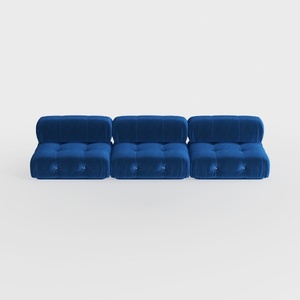
Modern Navy Velvet Tufted Modular Sofa 3D Model
Homestyler is a user-friendly online home design platform offering powerful 3D rendering tools, a vast collection of interior design projects, and helpful DIY video tutorials—perfect for bringing your home design ideas to life effortlessly.
立即免费设计
































