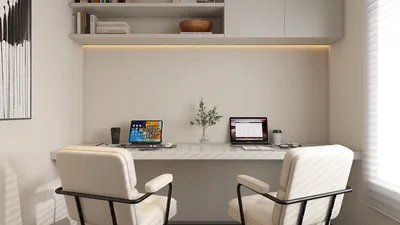


When planning Bloxburg floor layouts, I take a similar approach as when designing actual homes: I begin by understanding human behavior and then tailor the space accordingly. An effective layout simplifies movement, keeps sounds in check, and creates an ambiance through strategic use of light and color. Research by Steelcase shows that environments designed with user needs in mind can significantly boost engagement and performance; in the context of Bloxburg, a layout promoting daily activities such as cooking, studying, resting, and socializing enhances the overall livability of the space. The WELL v2 standard highlights the importance of natural light and sound control in ensuring comfort, which we can replicate through careful window placement and material selection.
Effective space planning is informed by ratios and rhythms. Herman Miller’s research indicates that regular posture changes and small movements can help reduce fatigue, which is why I position study areas and seating clusters along natural walking paths to encourage breaks. Regarding color, Verywell Mind suggests that shades of blue foster calm and concentration, while warmer tones can invigorate; therefore, using cooler palettes in bedrooms and warmer tones in communal areas creates a more seamless gameplay experience. If you’re exploring different layout ideas, utilizing a room design tool like Homestyler can help you visualize room adjacency and circulation flow before committing to any physical changes.
Compact Starter: 1-Bed Minimalist Layout (25x25 footprint)
This beginner-friendly design emphasizes a straightforward flow and easy daily routines. The entryway opens up into a combined living-kitchen-dining area (open plan), featuring the kitchen at the back with a small peninsula that differentiates cooking space from seating. A 3x4 pantry is cleverly tucked behind the kitchen for storage needs. The bedroom is positioned off a short hallway for sound separation, with the bathroom strategically sharing a wet wall for effective plumbing. This layout keeps circulation to less than 20% of the total area, thereby maximizing usable living space.
Family-Friendly: 2-Bedroom Courtyard Design (30x30 footprint)
I opt for a shallow U-shape to create a cozy internal courtyard. The living and dining areas are positioned to flank the courtyard, maximizing light and providing visual relief; the kids' bedroom is situated opposite the primary bedroom, with the bathroom centrally placed. Steelcase's research links visual connectivity and autonomy to higher satisfaction, and this design allows parents a clear view from the living spaces into play areas while maintaining privacy. Keeping the courtyard landscape light helps to reflect daylight deeper into the living areas.
Urban Loft: 1-Bedroom + Studio Flex Space (20x30 footprint)
This design features a long rectangular shape with a central axis: living space at the front, a studio or creative area in the middle, and a sleeping suite at the back. Sliding partitions manage acoustics for when quiet is needed. Position windows along the long side for better distribution of daylight. Bedroom walls in soothing blue-gray support restful sleep (as suggested by color psychology), while warm neutral accents in the studio area boost focus and energy. The kitchen is designed along one wall, incorporating tall storage solutions to minimize visual clutter.
Entertainer’s L-Plan: 3-Bedroom Social Core Layout (35x35 footprint)
In this plan, the living, dining, and kitchen areas form the inside corner of an L-shape, establishing a natural hub for social interactions. The bedrooms line the long side, becoming progressively quieter further into the design. The short end of the L accommodates a media room that faces the garden. WELL guidance underlines the importance of glare control; thus, utilizing layered lighting—such as ambient ceiling lights, task lighting at the kitchen peninsula, and warmer accents in the media room—helps avoid stark contrasts.
Eco Studio: Maximized Light and Quiet Areas (25x30 footprint)
The living-dining area is oriented to the south to capture maximum daylight; a study nook is positioned on the east wall to benefit from morning sun. The kitchen and bathroom share a plumbing wall to simplify installation. Soft materials and rugs absorb sound, enhancing comfort by reducing reverberation. Cool tones are used in sleeping areas, while terracotta or muted yellow accents in the kitchen ignite warmth and stimulate appetite. For testing room adjacency and furniture scale, consider using Homestyler, a layout visualization tool that expedites the design process.
Suburban Classic: 4-Bedroom with Split Primary (40x40 footprint)
In this layout, the primary suite is situated on one side, while the kids' bedrooms are clustered on the opposite side with a shared bathroom. A central great room features clear pathways leading from the entry to the kitchen and garden. I maintain aisles of at least 36 inches wide to ensure comfortable circulation, adhering to ergonomic guidelines for ease of movement and furniture spacing. Warm night-mode lighting (2700–3000K) in bedrooms aids relaxation; dining and kitchen areas benefit from slightly cooler light (3000–3500K) to enhance task visibility without creating glare.
Lakehouse Retreat: Long Axis for Scenic Views (30x45 footprint)
Align the living and dining areas along the long stretch of the façade with continuous glass. Bedrooms stack behind this with acoustically designed spacing. A mudroom entry helps manage both clutter and noise. The choice of materials leans toward natural options—wood tones and textured fabrics—to foster a peaceful atmosphere. Additionally, sound-absorbing panels in hallways minimize echoes throughout the home.
Gameplay-Ready Zoning: How I Configure Areas for Activities
I categorize the layout into four primary zones: Rest (bedrooms), Focus (study or studio), Social (living/dining/kitchen), and Transition (hallway, mudroom). Rest zones require sound separation and dimmable lighting; Focus zones benefit from glare control and adjustable task lamps; Social areas must include flexible seating to facilitate conversation. Transition zones can be enhanced with storage solutions to minimize visual chaos and encourage fluid movement through the space.
Lighting and Color: Creating Atmosphere and Enhancing Performance
The WELL v2 framework advocates for ample daylight exposure for health benefits; accordingly, I position desks near windows while steering clear of direct glare on screens. Task lighting at around 3500K ensures clarity for reading, whereas ambient warmth of 2700–3000K in living areas fosters a calming environment. Taking cues from Verywell Mind, I deploy calming blues and muted greens in sleeping spaces, sophisticated neutrals in living areas, and splashes of warm colors near dining spaces to enhance social experiences.
Acoustics and Material Choices: Ensuring Quiet Where Needed
Bedrooms and study spaces gain from the use of soft surfaces such as rugs, upholstered headboards, and curtains to reduce sound reverberation. Hard flooring is ideal for kitchens due to maintenance concerns, but runners can be added to decrease noise. Incorporating bookshelves can act as diffusers in living areas, breaking up standing sound waves while serving a dual purpose of storage and decoration.
Circulation Ratios and Room Proportions: Key Design Elements
For compact layouts, I aim to keep circulation at around 15-25% of the total area, extending to 30% for larger homes that require more privacy. Living areas achieve a balanced feel at a 1:1.6 ratio, reflecting the Golden Proportion, which creates pleasing sightlines. In bedrooms, placing the bed opposite the door with a partial view of windows instills a sense of security without directing glare at the occupant.
Furniture Arrangements That Feel Comfortable and Inviting
In open-concept designs, defining seating spaces with a rug that matches the arrangement of sofas and chairs can help create a cohesive environment. It’s essential to maintain a space of 18 inches between coffee tables and seating for easy reach. Dining tables should have at least 36 inches of clearance around them to facilitate movement. When placing desks, orient them towards natural light while angling screens to avoid reflections from windows.
Cost-Effective Layout Strategies
To simplify plumbing, it’s beneficial to share wet walls; stacking storage along circulation paths helps minimize visual clutter. Careful selection of paint and lighting—where lighting quality greatly influences the perception of materials—can achieve high-impact results without the expense of more luxurious finishes. Modular seating options provide flexibility in room arrangements for social gatherings without major renovations.
From Concept to Construction: A Streamlined Planning Process
I start by sketching out room adjacencies, outlining movement paths, and annotating acoustic requirements. Next, I assess door swings and furniture dimensions. Finally, I simulate lighting and sightlines at various times throughout the day. For quick iterations, a layout simulation tool such as Homestyler allows for fine-tuning of proportions and circulation before finalizing designs.
FAQ
Q1: What should the circulation area be in a compact Bloxburg home?
A: Aim for approximately 15–25% of the total area. This ensures ease of movement while preserving valuable living space.
Q2: Which color is best suited for bedrooms?
A: Soft, desaturated blues or blue-greens foster tranquility and improve rest, as evidenced by color psychology research.
Q3: How can glare be minimized at desks?
A: Position desks near windows but at a perpendicular angle, incorporate adjustable task lighting around 3500K, and utilize matte monitors or shades to mitigate direct light.
Q4: Where should the kitchen be positioned in an open layout?
A: Ideally, it should run along a wall or be configured in an L-shape at the back of the area, with a peninsula or island to distinguish the cooking space while maintaining clear access to dining.
Q5: What are some quick fixes for acoustics?
A: Utilize rugs, curtains, upholstered furniture, and well-stocked bookshelves. Soft materials should be present in bedrooms and study spaces, whereas kitchens can benefit from more durable surfaces.
Q6: How can I accommodate families with children?
A: Cluster children’s bedrooms near a shared bathroom, slightly distance the primary suite, and keep sightlines from living areas to play zones for observation.
Q7: What lighting temperatures should be utilized?
A: For bedrooms, use warm light ranging from 2700–3000K. Kitchens and studies should favor 3000–3500K for clear task visibility, while living areas benefit from layered lighting that is primarily warm with adjustable task options.
Q8: How can I create the illusion of larger spaces in small homes?
A: Implement open layouts, keep circulation areas compact, position mirrors strategically, and opt for lighter wall colors. Proper alignment of furniture will help maintain long sightlines.
Q9: How can I balance privacy with open spaces?
A: Position bedrooms off short hallways, center social areas, and consider using partial-height partitions or sliding doors to enhance acoustic separation without compromising light.
Q10: What is an effective room proportion for living spaces?
A: A ratio of approximately 1:1.6 is pleasing and promotes good furniture arrangements without awkward leftover corners.
Q11: How can I integrate outdoor spaces?
A: Utilize an L-shaped or courtyard layout to draw in light, and position dining areas near garden edges to promote a seamless flow between indoor and outdoor living.
Q12: How can I quickly evaluate multiple layout options?
A: Map room adjacencies, scale out furniture placement, and utilize an interior layout planner for comparisons of circulation, sightlines, and access to sunlight.

Meridian Furniture 77054Natural Everson Collection
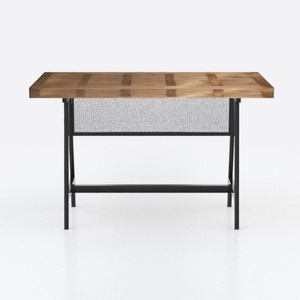
3-Piece Small Dining Table Set Kitchen Table and 2
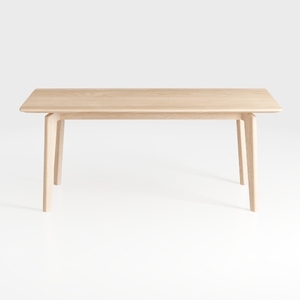
Hymus 100% Solid Oak Wood Desk - Small Writing Des
Homestyler is the ideal online platform for designing your dream home. With its user-friendly design tool, impressive 3D renderings, and a wealth of DIY video tutorials, you can easily create stunning interiors and explore countless design projects, making home design a breeze!
Concevez maintenant gratuitement
































