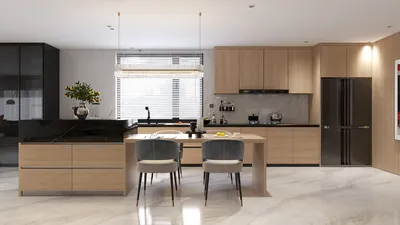


While many blogs typically discuss moody decor with a focus on dark color schemes and somber aesthetics, my background as an interior designer has uncovered a more profound essence: authentic moody decor aims to create an atmosphere that significantly influences mood, behavior, and overall wellbeing. Instead of merely recommending shades like navy or charcoal, I promote a comprehensive strategy that involves layering lighting, materials, spatial flow, and sensory elements to achieve truly personalized results. Ignoring nuances, such as the temperature of lighting or tactile elements, can result in spaces that lack depth and immersion. If you desire to create a more enriching transformation, let us go beyond mere color and re-envision the entire sensory experience. Have you considered how your mood might shift with a few intentional adjustments? Discover how immersive settings can utilize AI Interior Design tools like Homestyler to bring your moody decor visions to life.
Is There More to Moody Decor Than Just Dark Hues?
Rather than focusing solely on deep colors, my findings indicate that the essence of moody decor arises from an intricate balance of shadow, texture, and light. A Houzz report from 2023 highlighted that 68% of homeowners pinpointed lighting—beyond color—as the central factor in cultivating mood-rich environments. Instead of relying on one-dimensional methods, think about incorporating adjustable sconces, metallic accents, and textured fabrics to create a vibrant emotional landscape. This multi-layered approach often goes unrecognized in many popular decor manuals.
How Does Lighting Affect Emotional Ambience in Moody Spaces?
In contrast to typical decor advice, my investigations focus on the subtle yet significant transformations brought by lighting temperature. The use of warm LED strips or concealed uplighting can dramatically enhance the dimensional quality of a room without rendering it cold or cave-like. Energy.gov suggests that layered lighting with adjustable warmth not only enhances overall mood but also aids in regulating circadian rhythms—an insight often overlooked in basic decor discussions.
Is Texture the Key to Crafting a Moody Atmosphere?
Many people tend to overlook texture in favor of simple color schemes. However, research indicates that blending materials like velvet, leather, and matte brass within a moody framework increases both tactile comfort and visual interest. Interior designer Emily Carter has noted on Houzz that textured surfaces enhance the sensory experience, preventing moody spaces from feeling flat or stifling.
What Are the Untapped Potential Areas for Moody Decor in Compact Spaces?
A lot of articles advise against moody decor in smaller spaces, fearing visual shrinkage. I disagree; in compact areas, the smart application of reflective finishes and astute furniture arrangements—potentially guided by AI tools like Homestyler—can create an inviting cocoon rather than a claustrophobic feel. There is a significant opportunity for guides that concentrate on maximizing intimacy and drama within limited spaces.
Which Accessories and Artwork Enhance Moody Decor Without Overdoing It?
In contrast to minimalist suggestions, my recommendation is to incorporate large-scale, visually striking artwork and organic elements such as rustic wood, ceramics, and live plants. A recent study from NAHB revealed that homeowners have a positive response to emotional focal points and natural aesthetics. This blend of darkness with vibrancy and fluidity is a tactic frequently under-leveraged in many moody decor lists.
What Common Errors Occur with Moody Decor, and How Can They Be Prevented?
While countless designers concentrate on color alone, I have observed some hidden pitfalls: excessive use of glossy finishes, insufficient ventilation leading to stuffiness, and a lack of versatility making spaces rigid. My suggestion? Focus on layered lighting, ensure proper ventilation, and choose adaptable furniture to foster flexibility. For spaces like bathrooms or kitchens, leverage online design tools to achieve a balanced moody aesthetic.
How Can Behavioral Design Enrich the Experience of Moody Decor?
Few resources delve into the significant role behavioral design plays in moody spaces. By studying routines and movements, you can integrate spatial cues—such as entryway lighting or tactile transitions—that inspire calmness or energy precisely when needed. Drawing from my experiences at UCLA, this psychology-informed approach yields moodier, more flexible rooms than merely following color theory could achieve.
Conclusion: Why My Perspective on Moody Decor Is Distinctive
In contrast to standard guides that equate moody decor with mere darkness, my perspective embraces a holistic sensory design encompassing emotional depth and practical functionality. By integrating behavioral insights, material diversity, and technology, you will cultivate a space that broadens the avenues of home living. For anyone eager to rethink their environment, consider how you can experience your moody decor transformation in 3D with Homestyler, taking confident and informed steps forward.
Homestyler is your go-to online home design platform! With its user-friendly design tool, stunning 3D renderings, and a wealth of DIY video tutorials, you can effortlessly create and visualize your dream spaces. Transform your home design ideas into reality today!
Diseño ahora GRATIS
































