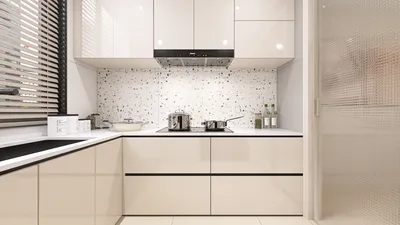


In my experience, one client once opted for vibrant neon pink vinyl in a compact laundry closet—a daring decision that highlighted the importance of merging personality with functionality. I utilized sketches to brainstorm designs, experimented with various patterns, and created a 3D model to help us visualize the space before finalizing any choices; this crucial step spared us time and potential dissatisfaction. If you're seeking playful aesthetics without compromising water resistance, vinyl is definitely the key. Visualizing the area will reveal how different patterns and plank orientations can transform the ambiance of a room.
1. Wood-Look Luxury Vinyl Planks (LVP) for a Cozy Feel
I frequently recommend wood-look LVP for laundry spaces as it imparts a warm, inviting atmosphere while remaining resistant to water and effortless to maintain. The benefit is clear: it captures the elegance of hardwood floors without the concerns that humidity can bring. Be aware, though, of the challenges involved in matching grout lines and transitions to nearby rooms—strategic planning or the use of reducers can prevent any jarring seams.
save pin
2. Checkerboard or Geometric Vinyl Tiles for Vintage Appeal
Checkerboard styles can instantly inject character into a small laundry area, and they are affordable to install. They effectively conceal scuff marks, contributing to a polished look even in narrow spaces. A downside to consider is that intricate patterns may highlight dust accumulation, so it’s wise to choose contrasting shades carefully and commit to regular cleaning routines to keep them looking fresh.
save pin
3. Sheet Vinyl for Optimal Waterproofing
When dealing with potential moisture issues, sheet vinyl is an ideal choice—it's nearly seam-free and accommodates areas around drains and machines with ease. It's budget-friendly and can be installed quickly, which I often recommend for laundry spaces with budgets under $2,000. To ensure precise measurements and drainage configurations, start with a well-detailed floor plan before purchasing materials to minimize waste and cuts.
save pin
4. Cushioned Vinyl for Enhanced Comfort and Noise Reduction
If you often find yourself folding or ironing in your laundry room, cushioned vinyl can provide a soft feel underfoot and reduce the sound of machines—a true luxury for apartment residents. However, it’s important to note that the cushioning can develop indentations over time from heavy appliances, so proper appliance feet and periodic repositioning are necessary. I once revamped a small utility room with cushioned planks, and the client remarked that their chores became much easier as a result.
save pin
5. Patterned LVP or Inlaid Borders to Create Distinct Zones
Incorporate patterned LVP or an inlaid border to visually distinguish a folding area or mop sink; this design strategy adds an intentional feel to small spaces. Although it may incur slightly higher material and labor costs, the outcome is akin to a boutique finish in an otherwise functional room. For compact kitchens that transition into a laundry nook, consider coordinating color schemes—I’ve drafted a few coordinated layouts for kitchens and laundry areas to maintain cohesive aesthetics throughout.
save pin
Tips 1:
Budget tip: start by sampling. Purchase small sample tiles or planks and see how they look next to your appliances for about a week. Maintenance tip: employ a soft broom and pH-neutral cleaner to keep vinyl in pristine condition.
save pin
FAQ
Q1: Is vinyl flooring suitable for laundry rooms?
A1: Absolutely. Vinyl is durable, water-resistant, and simple to clean, making it an excellent choice for laundry areas prone to spills and humidity.
Q2: Should I go for sheet vinyl or LVP for my laundry area?
A2: Opt for sheet vinyl for maximum waterproofing and seamless coverage; choose LVP if you desire a wood-like appearance with easier replacement options. Evaluate room layout and budget prior to making your choice.
Q3: Can vinyl withstand heavy appliances?
A3: Indeed, most quality vinyl products can support washers and dryers, but it’s important to use appropriate appliance feet or a reinforced subfloor to avoid indentations over time.
Q4: What is the best way to clean and maintain vinyl in a laundry space?
A4: Regular sweeping or vacuuming is essential, followed by mopping with a pH-neutral cleaner recommended by the manufacturer. Steer clear of abrasive scrubbers and steam cleaners unless they are specifically allowed for use with your product.
Q5: Is vinyl flooring slippery when wet?
A5: Certain vinyl finishes may become slick; it’s advisable to select a textured or matte finish if you’re concerned about slips, particularly in close proximity to sinks or drains.
Q6: Can vinyl be installed over existing flooring?
A6: Typically yes, provided that the existing surface is level and in satisfactory condition. Adhere to manufacturer guidelines and consider consulting a professional for optimal results.
Q7: Are there health concerns associated with vinyl flooring?
A7: It's wise to select low-VOC and phthalate-free vinyl options. The U.S. Environmental Protection Agency (EPA) suggests opting for low-emitting materials and confirming product certifications to ensure air quality indoors.
Q8: How long can I expect vinyl flooring to last in a laundry room?
A8: With proper installation and maintenance, quality vinyl can endure for 10 to 20 years, with its lifespan influenced by foot traffic, appliance weight, and care habits.
save pin
Homestyler is your go-to online home design platform! With its user-friendly design tool, stunning 3D renderings, a plethora of design projects, and helpful DIY video tutorials, you can effortlessly create and visualize your dream space. Transform your ideas into reality today!
Design Now for FREE
































