


Direct Answer
The ideal fabrics and materials for dining room sofas are those that resist spills, offer durability, and are easy to maintain. Performance textiles, treated polyester blends, microfiber, and leather typically stand out as the most practical options due to their stain resistance and ability to endure frequent use in dining areas.
Dining sofas face unique challenges compared to living room seating, such as handling food spills, regular cleaning, and constant movement around the table. Selecting the proper upholstery can significantly prolong the furniture’s lifespan.
Quick Takeaways
Introduction
Through designing numerous open-concept homes and compact dining spaces, one pattern emerges: many people choose dining sofas just like living room sofas, prioritizing color and comfort before durability.
This order often leads to problems.
Dining sofas confront challenges living room couches rarely encounter—like wine spills, tomato sauce splatters, kids climbing in and out, and chairs bumping the frame repeatedly. Picking the right fabric for a dining sofa is not only an aesthetic decision but also one focused on how well the material endures everyday wear.
When assisting clients in planning layouts with tools such as Homestyler for dining and seating arrangements, conversations quickly turn to materials. It becomes apparent that choosing improper upholstery can transform a stunning design into a high-maintenance burden.
In this article, I’ll discuss upholstery materials that perform best in real dining conditions, uncover durability aspects often overlooked, and share upkeep practices that greatly extend sofa longevity.
save pin
Why Dining Sofas Require Different Upholstery From Living Room Sofas
Key Insight: Dining sofas need fabrics that prioritize stain resistance and abrasion strength over softness and plushness.
While living room upholstery primarily deals with body contact, dining area seating must endure exposure to food, beverages, and constant physical movement.
Over time, I’ve had to replace several elegant dining sofas because their upholstery was not made for such demanding use.
Key performance distinctions:
Furniture industry upholstery standards require heavy-use residential fabrics to withstand 15,000–25,000 double rubs in abrasion tests; dining seating ideally surpasses these numbers.
This explains why many interior designers prefer commercial-grade fabrics for dining sofas, even in home environments.
Spill-Resistant Fabrics Ideal for Dining Spaces
Key Insight: Performance textiles and microfiber offer the best mix of stain defense, comfort, and durability for dining rooms.
Performance fabrics have revolutionized designer approaches to dining seating over the past decade. These materials are engineered to cause liquids to bead up on the surface rather than absorb instantly.
Top spill-resistant upholstery choices include:
For one project in Pasadena, we selected a textured performance fabric for a banquette sofa. After two years with three children, the upholstery still appeared nearly untouched.
A common pitfall is using linen or cotton blends without stain-resistant treatments. Though visually appealing initially, these fabrics quickly absorb wine and oils.
save pin
Comparing Leather and Fabric for Dining Seating
Key Insight: While leather cleans easily, high-quality performance fabrics frequently handle daily wear more effectively.
It's a recurring question when helping clients choose durable dining upholstery.
Advantages of leather include:
Disadvantages of leather include:
Benefits of fabric upholstery include:
In compact homes where kitchens and dining areas blend visually, which I often map out using planning tools like Homestyler, fabric sofas tend to integrate more seamlessly than leather ones.
Nonetheless, households that host frequent dinners or have young kids may find leather’s easy-to-clean nature particularly appealing.
Family-Friendly Easy-Clean Upholstery Options
Key Insight: Removable covers or engineered stain-resistant fabrics should be top priorities for families.
Dining sofas face heightened challenges when children are involved.
Materials I frequently recommend for family dining areas include:
A frequently overlooked error: choosing light-colored upholstery without considering fabric treatment or removability. Stain resistance depends more on fiber structure and finish than color alone.
Some of the most resilient dining sofas I’ve installed were light beige performance fabrics.
save pin
Durability Factors to Consider for Frequently Used Dining Furniture
Key Insight: The fabric’s weave density and abrasion resistance rating matter more than the fiber type alone.
When assessing upholstery durability for dining pieces, I look past the material label.
Three durability factors that professionals review include:
Another aspect often missed is the room’s layout. In tight spaces where seating and foot traffic overlap, wear intensifies significantly.
To plan furniture placement effectively, I recommend visualizing dining layouts with 3D modeling tools like Homestyler first, which helps identify traffic pressure points impacting upholstery longevity.
Answer Box
The most practical upholstery choices for dining room sofas generally are performance fabrics, microfiber, and leather. These fabrics resist stains, stand up to frequent cleaning, and retain appearance despite heavy daily use.
Maintenance Tips to Prolong Sofa Life
Key Insight: Simple cleaning routines impact longevity as much as the material chosen.
Even the highest quality dining sofa fabric will degrade quickly without proper upkeep.
Maintenance practices that produce significant results include:
One striking observation: sofas receiving prompt spill cleanups generally last longer than those made of durable fabrics but poorly maintained.
Final Summary
FAQ
What is the best fabric for a dining room sofa?
Performance fabrics, microfiber, and treated polyester blends rank highest because they resist stains and tolerate regular cleaning.
Is leather suitable for dining seating?
Yes; leather wipes clean easily and resists spills, making it practical for dining areas, though it may eventually scratch.
Are light-colored dining sofas a poor choice?
Not necessarily. Light hues work well if the fabric features stain protection or removable covers.
Which upholstery resists food stains best?
Performance textiles, microfiber, and treated fabrics typically offer the strongest resistance to staining.
How durable should dining sofa fabric be?
Prioritize fabrics rated for at least 20,000 double rubs in abrasion tests to guarantee lasting performance.
Is microfiber good for dining seating?
Absolutely. Due to its tight weave, durability, and ease of cleaning, microfiber suits busy dining spaces excellently.
What materials are family-friendly for dining sofas?
Microfiber, performance polyesters, slipcovered fabrics, and leather are among the top family-friendly options.
How should you clean spills on dining upholstery?
Immediately blot spills with a clean cloth, apply a gentle upholstery cleaner, and avoid rubbing, which can embed stains further.
References
Guidelines from the American Home Furnishings Alliance on upholstery performance.
Testing standards published by the Association for Contract Textiles.
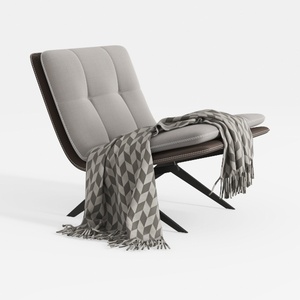
Modern Minimalist Fabric Leather Metal Lounge Chair with Throw Blanket 3D Model

Modern Fabric Upholstered Armchair With Metal Legs 3D Model


Homestyler is a user-friendly online home design platform offering powerful 3D rendering, a vast collection of interior design projects, and helpful DIY video tutorials—perfect for bringing your home design ideas to life with ease and inspiration.
Desain sekarang Gratis
































