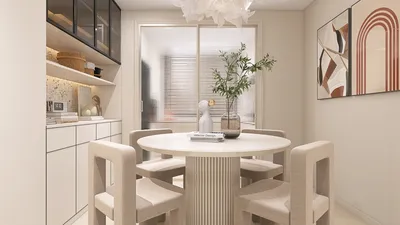


Small rooms can quickly become cluttered, especially around seating areas where the arms extend, backs spread out, and legs may disrupt traffic flow. After ten years of designing compact apartments, cafés, and micro-offices, I've discovered that narrow chairs work best when they align with the traffic patterns, ergonomic support, and visual harmony of the room. According to Gensler’s U.S. Workplace Survey, optimal team performance is linked to environments that correspond to specific tasks—whether it's focusing, collaborating, or relaxing—indicating that seating should be functional rather than merely decorative. Moreover, the WELL v2 guidelines advocate for comfortable, accessible furnishings that promote a variety of postures; this aligns perfectly with slim, maneuverable chairs that foster active use and can be easily reconfigured, all factors that can be enhanced using a tool like Homestyler for layout planning.
The comfort of seating cannot be left to chance, especially in limited spaces. Research from Herman Miller connects flexibility in posture to consistent performance; chairs that feature responsive backs and appropriately adjusted seat heights can significantly reduce fatigue during long periods of use. Furthermore, the Illuminating Engineering Society emphasizes the importance of lighting for visual comfort; lighter chair finishes with a low-gloss sheen help minimize glare and ensure visibility around the seat area—vital when working with tight spaces. I typically opt for chairs with seat heights between 17 and 19 inches for dining, and between 16 and 18 inches for lounge seats, complementing them with lighting at a brightness of 300–500 lux to maintain clarity and safe movement.
Understanding What Constitutes a Functional Narrow Chair
Narrow dining or side chairs, according to my definition, measure between 16 to 19 inches in width and are no wider than 21 inches at their broadest points, usually the backrest or arms. This specification allows for sufficient hip room for most users and facilitates a pass-through space of 30 to 36 inches between table supports and surrounding walls. In compact living rooms, armless lounge chairs that measure 24 to 28 inches in overall width can appear surprisingly spacious, particularly when the seat depth is adequate (18 to 20 inches) and the backrest angle is set between 100 and 105 degrees for a relaxed yet upright posture.
Traffic Patterns and Necessary Clearances
Effective space planning begins with understanding movement patterns. I ensure there is a minimum of 30 inches of clear space behind a pulled-out dining chair, aiming for 36 inches whenever feasible. A spacing of 3 to 4 inches between chair edges prevents accidental bumps and wear. For swivel narrow lounge chairs, an 8 to 10-inch gap from side tables is essential to prevent clashing during rotation. When evaluating arrangements, utilizing a room layout tool like Homestyler can help accurately capture chair dimensions and required clearances:
room layout tool
Ergonomic Considerations in Slim Designs
Opting for narrow seating does not mean sacrificing comfort. I prioritize lumbar support positioned 8 to 10 inches above the seat and a gently curving front edge that alleviates pressure on the thighs. For dining, maintaining a gap of 10 to 12 inches between the seat and table helps avoid shoulder hunching. I prefer side chairs designed for task use, featuring breathable backs and gentle contours to encourage subtle movements without adding unnecessary bulk.
Choosing Materials That Minimize Visual Weight
The perceived weight of furniture is just as important as its physical size. Chairs with open frames, slim metal legs, or wood spindles appear lighter than those with bulky designs. To mitigate glare, I favor matte or mid-sheen finishes that keep the appearance crisp in varied lighting conditions. In my compact room designs, my go-to elements include:
Using Color, Light, and Sound Absorption for Comfort
Color selection affects both how a space feels and its auditory quality. Soft greens and blues decrease arousal levels, which is particularly beneficial in small living rooms where activities may overlap. Combining these hues with ambient lighting in the range of 300 to 500 lux and warm white light at 2700 to 3000K tones during evenings brings a gentle touch to the narrow forms of furniture. For dining areas, I recommend including a dimmable pendant light that can adjust from 200 lux for dining to 500 lux for crafting or working. To manage echo in hard-surface environments, specifying chairs with cushioned seats or felt glides can significantly reduce noise; even a modest increase in soft surface coverage in small kitchens can have a notable impact.
Types of Chairs That Work Well in Small Spaces
Understanding Space Ratios Around Tables
At a 60-inch round table, four narrow chairs can create a spacious feel; for five chairs, armless seats measuring 17 inches wide are ideal. In a 30-by-48-inch rectangular layout, two chairs on each long side (17 to 18 inches wide) and one at each end creates a comfortable arrangement with 3 inches of spacing between each chair and 10 to 12 inches of under-table clearance. For breakfast bars, allowing 24 inches center-to-center between stools is recommended; if backless, 12 to 13 inch stools can be accommodated closer together at 21 to 22 inches for brief seating.
Prioritizing Sustainability and Durability in Small Areas
In compact living spaces, furniture tends to see more use per square foot. I focus on using removable seat cushions, durable metal fasteners, and resilient finishes. Choosing FSC-certified wood and fabrics that have been tested by third parties ensure longevity and reduce waste. If off-gassing is a concern, it is advisable to opt for low-VOC finishes and GREENGUARD-certified materials to protect indoor air quality, especially when larger areas cannot be ventilated properly.
Placement Techniques That Create an Illusion of Space
Positioning a narrow lounge chair 8 to 12 inches away from a sofa corner encourages diagonal sightlines, thereby enhancing the room’s perception of space. In dining areas, placing two slim chairs on one side and a bench on the opposite allows for unobstructed circulation. In studio apartments, combining a swivel chair with a nesting side table allows that single seat to serve dual functions for lounging and work without expanding the overall width.
Lighting Considerations for Seating Areas
Narrow seating arrangements benefit greatly from layered lighting solutions: incorporating low-glare task lighting for reading, wall grazers for highlighting vertical surfaces, and dimmable pendants to set the ambiance. Care should be taken with fixture brightness to avoid glare on glossy chair surfaces; baffles or fabric shades can help. The IES recommends adequate vertical and horizontal illumination for visual comfort in areas adjacent to tasks, justifying the necessity of a small wall sconce by a compact reading chair.
My Criteria: Key Factors Before Specification
Recommended Reading for Design Teams
For design professionals focused on combining comfort, health, and adaptability in smaller projects, I find two key sources particularly insightful: the WELL v2 guidelines for movement and comfort, and Gensler’s research on environments that fit specific tasks. They emphasize viewing seating not merely as an object but as an instrument that enhances behavior and well-being.
Frequently Asked Questions
I generally avoid chairs with a seat width less than 16 inches. A width of 17 to 18 inches provides the necessary space for most adults, especially with armless designs and slight back flex.
Aim for 36 inches of clearance for easy movement; the strict minimum is 30 inches in cramped spaces, assuming that doors and drawers don’t interfere with that area.
Yes, armless designs can effectively reduce both visual and physical dimensions and can fit entirely under tables. For those who prefer arms, opting for low-profile, slim arms that stop before the table apron is advisable.
Look for open frames, slim legs, and matte finishes. Lightweight materials like molded plywood or wire frames project a more open feel; avoid heavy skirts and thick bases.
Dining tables typically measure 28 to 30 inches high and pair well with seat heights of 17 to 19 inches, allowing for a comfortable thigh clearance of 10 to 12 inches for movement.
To reduce noise, consider adding felt glides, opting for upholstered seat pads, and laying down a small area rug beneath the seating arrangement. Even slight increases in soft surfaces can noticeably minimize noise.
Certainly—select a compact swivel chair (no more than 28 inches wide) and maintain an 8 to 10-inch distance from adjacent tables. This flexibility allows for a single chair to be utilized in multiple areas without spreading outward.
Set ambient lighting at 300 to 500 lux for reading and meal prep; incorporating dimmers can add a cozy atmosphere. Matte chair finishes are essential to reduce reflections from lighting.
With a 30-by-48 inch table, placing two chairs on each long side plus one on each end using 17 to 18 inch wide chairs is typical, ensuring a space of 3 to 4 inches between edges of chairs.
Stackable chairs are ideal for versatile hosting. Ensure they come with protective pads or guards to prevent damage, and verify the total height when stacked matches your storage capacity.
Built on technology originally developed at Autodesk, Homestyler empowers anyone to design beautiful, realistic spaces in minutes. Join over 18 million users who have already discovered a smarter way to plan, visualize, and bring their dream homes to life — all from the comfort of a browser.


Modern Fabric Bunny Ear Office Chair Unique Design 3D Model
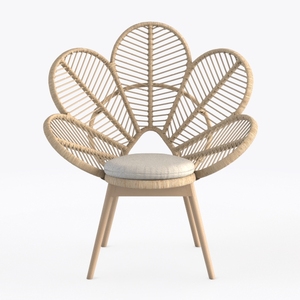
Bohemian Rattan Flower Shaped Accent Chair with Linen Cushion 3D Model
Modern Black Oak Arched Glass Display Cabinet 3D Model
Discover the ease of home design with Homestyler! This online platform features an intuitive design tool, stunning 3D renderings, and a wealth of DIY video tutorials. Whether you’re a novice or a pro, bringing your interior visions to life has never been simpler or more enjoyable!
Design Now for FREE
































