

When it comes to the wallpaper in a pooja room, my strategy mirrors how I handle lighting or acoustic elements: it should promote concentration, tranquility, and ritual while remaining unobtrusive to the central altar. The aim is to create a visually appealing background that respects symbolism, diminishes glare, and supports daily practices.
In serene spaces crafted for reflection, the levels of light and color dynamics play a crucial role. According to WELL v2, managing glare and ensuring a balanced light environment can alleviate eye strain, while using warm color temperatures between 2700–3000K is conducive to relaxation and spiritual practices. Research from Steelcase indicates that spaces designed to minimize sensory overload foster better restoration and concentration; in a pooja room, this translates to less visual distraction from patterns that could impede focus. For an in-depth understanding of light and wellness, refer to WELL v2.
Essential Guidelines for Pooja Room Wallpaper
• Synchronize with light: In areas illuminated by diyas or warm LED lighting, opt for low-sheen, matte wallpapers that effectively soften reflections. The IES suggests that glare presents a comfort concern; a subtle texture enhances the candle's illumination without scattering it.
• Honor iconography: Ensure that the wall behind the altar remains visually understated compared to surrounding surfaces. Use symbolic designs—such as lotus flowers, peacock feathers, kalasha, or geometric mandalas—in muted scales and low contrast to maintain focus on the murti and lamp.
• Soothing color psychology: According to Verywell Mind, shades of blue and green symbolize peace and rejuvenation, while gentle golds evoke warmth and positivity. Personally, I favor hues like sage, muted teal, moonlight white, and soft ochre.
• Consider human factors: If seating is low to the ground, place larger motifs beneath eye level; minimize busy patterns in peripheral vision to decrease cognitive load during meditation or japa.
Color Combinations That Respect Ritual
• Soft Whites & Warm Creams: These timeless shades amplify the natural light from lamps. Complement with fine gold line detailing for a subtle touch of auspiciousness.
• Sage, Tulsi Green & Muted Olive: Green fosters a sense of balance and rejuvenation, making it ideal for prayer spaces as it feels natural and grounding.
• Deep Indigo & Peacock Blue Accents: Used sparingly as an accent wall or border, indigo can signify depth and devotion without making smaller spaces feel cramped.
• Sand, Ochre & Soft Saffron: These warm tones work beautifully with brass diyas and marigold decorations while avoiding glare.
• Greige & Pale Taupe: These versatile neutrals complement a variety of deities and metallic decor without causing color clashes.
Meaningful Motifs
• Lotus Geometry: This allows for radial symmetry that enhances visual calm; patterns should repeat with a scale of 200–300 mm for a balanced effect.
• Mandala Line Art: Opt for line weights of under 1 mm and a matte finish to create a subtle halo around the altar.
• Temple Jaali Patterns: Drawing inspiration from architectural tracery, these designs evoke sacred spaces and are best in tone-on-tone color schemes to minimize distraction.
• Respectful Sacred Syllables: Rather than using bold text repetitions, layered scripts can act as visual embellishments when used discreetly and respectfully.
• Nature Minimalism: Designs featuring outlines of banyan leaves, gentle waves, or hills—abstract and restrained—can foster an open, contemplative atmosphere.
Choosing Materials: Matte, Washable, and Low-VOC
Select wallpapers with a matte finish, easily cleanable surfaces, and low-VOC inks and adhesives to maintain air quality conducive to a sacred space. Non-woven materials are easy to install and can be removed cleanly for seasonal updates. Vinyl-coated wallpapers are practical in areas prone to oil or incense residue, but should have minimal gloss to avoid glare.
Light Management, Glare, and Candle Safety
To balance lighting, consider the finish of the wallpaper. A matte choice (with a light reflectance value of 50–70 in lighter shades) can brighten without contributing to hot spots. Place diyas on stable surfaces and consider using heat-resilient backplates behind the altar, especially if flames are near the wall. If LED lighting is employed, select those with a warm temperature of 2700–3000K and a color rendering index of 90+ for true color representation of flowers and fabrics. Managing glare is essential for comfort, as emphasized by IES guidelines, making extended prayer time more gentle on the eyes.
Acoustic Comfort and Visual Harmony
Ritual chants flourish in acoustically pleasant environments. Although wallpaper isn’t a significant sound absorber, textured designs can help diffuse sound slightly, which reduces echo in smaller rooms. Ensure a consistent rhythmic pattern; regular spacing can ease visual strain and avert cognitive fatigue.
Optimizing Small Pooja Rooms: Layout and Scaling Tips
For smaller spaces, opt for light shades and fine patterns (with repeats under 100 mm) to optimize the feeling of roominess. If the altar is centrally located, encircle it with a motif that subtly intensifies toward the edges to guide the eyes inward. Utilizing a room layout tool can assist in visualizing wall treatments alongside altar placement, seating, and lighting.
Combining Wallpaper with Other Materials
• Brass & Copper: These warm metallics complement saffron and cream wallpapers, but minimize nearby shiny elements to lessen glare.
• Natural Woods: Teak or oak pair beautifully with sage or greige wallpapers; the wood grain adds an element of organic calm against geometric designs.
• Stone & Marble: Soft-toned wallpaper on adjacent walls works best with white marble backdrops to prevent stark contrasts.
• Textiles: Cotton or silk runners in muted reds and marigolds can enhance a devotional atmosphere; ensure that the wallpaper is understated so that textiles capture attention during ceremonies.
Refreshing the Atmosphere Seasonally Without Major Overhauls
I often create a foundational wallpaper that maintains a calm tone and layer seasonal decorations like rangoli decals, floral garlands, or fabric backdrops, allowing the room to feel refreshed during festivals without needing a thorough redesign. Utilizing magnetic frames or shallow niches enables the easy swapping of mandala panels while preserving a cohesive visual narrative.
Installation Tips
• Prepare surfaces: Smooth surfaces will prevent light streaks from appearing on matte finishes.
• Align with altar axis: Use a central vertical motif or border that aligns with the lamp and deity to emphasize spatial intention.
• Mind the edges: Finish corners and niches with matching trims to prevent visual disruptions.
• Ensure ventilation: The presence of incense and oil lamps requires good airflow; low-VOC adhesives will aid in improving indoor air quality.
Frequently Asked Questions
Matte finishes are ideal as they minimize glare from diyas and LEDs, aligning with IES comfort standards while maintaining visual softness.
Seek subtle lotus, mandala, or temple jaali patterns in soft, tone-on-tone colors. Maintain a low contrast so that the deity and lamp naturally remain the focal points.
Choose light colors with micro-patterns that have repeats under 100 mm; avoid high-contrast borders and visualize placements with a room layout tool before installation.
Ensure flames are kept at a safe distance, employ heat-resistant plates, and select washable, low-sheen finishes. Avoid positioning wicks directly beneath prominent motifs.
For optimal warmth, use 2700–3000K LEDs with a CRI of 90+; this setup enhances ritual settings, floral arrangements, and metallic decor, fostering a tranquil ambiance as suggested by WELL v2 guidelines on comfort.
While textured wallpaper doesn’t significantly alter acoustics, it can slightly diffuse sound and minimize flutter echoes. Pairing with soft rugs or curtains improves overall acoustic comfort.
Brass, natural woods, and softer textiles are excellent companions for wallpapers that echo these materials' warmth. Avoid glossy finishes to keep glare at bay.
Opt for washable options with low-VOC inks; clean with a damp cloth to sustain the sanctuary feel. Ensure proper ventilation to prevent build-up on the altar wall.
Indeed, subtle and minimal script can work, but prioritize line-art designs while keeping text to small medallions or borders to avoid overwhelming visuals.
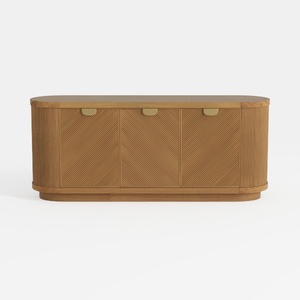
Modern Minimalist Solid Wood Fluted Sideboard with Brass Accents 3D Model
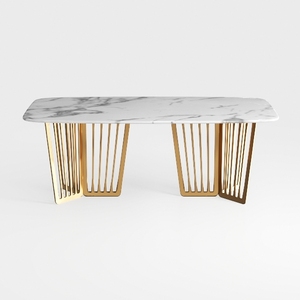

TAPIVA Desk Computer Desks Office Desk Marble Tabl

Minimalist Boucle Fabric Sofa Modern Tufted Living Room 3D Model
Homestyler is your go-to online platform for home design excellence. With an easy-to-use design tool, stunning 3D renderings, and a wealth of DIY video tutorials, you can transform your spaces creatively and effortlessly. Bring your vision to life today!
지금 무료로 디자인하세요
































