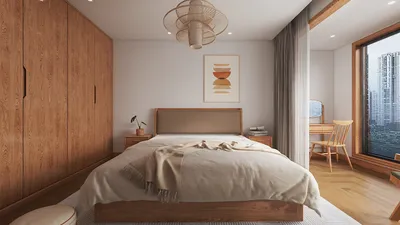


A while ago, a client was adamant about painting their north-facing bedroom the exact shade of midnight ocean, claiming it felt dramatic in the sample. The outcome was indeed dramatic, to the point where the curtains seemed envious of the darkness. To salvage the project, I implemented some minor adjustments along with a quick mockup layout using Homestyler to test the sightlines and light before applying any paint.
1. Warm Greige and Taupe
Greige is my preferred choice when aiming to add warmth without resorting to overt color. For north-facing walls, a greige with warm undertones reflects the cooler daylight, creating a cozy and inviting atmosphere. The advantage of this shade lies in its versatility, pairing well with wood flooring or brass elements. However, it can appear flat if the undertone clashes with existing furniture, so it's wise to pick up samples and test them under varying light conditions.
save pin
2. Creamy Warm Whites
For those seeking optimal brightness, selecting a warm white with a creamy undertone is key, as opposed to a stark cool white. This choice will reflect the limited northern light and avoid creating an uninviting icy blue hue reminiscent of a hospital corridor. One small caveat: warm whites may show yellowing from older trim, so consider refreshing the trim paint or opting for a shade with a higher LRV (Light Reflectance Value).
save pin
3. Soft Pastels with Warm Undertones
Colors such as dusty blush, warm sage, or muted cornflower are excellent pastel choices, soothing a room without diminishing warmth. I maintain a color playbook of pastel combinations that thrive in lower light conditions and often examine cushions and throws to gauge their warmth contribution. A budget-friendly tip: paint a sizable poster board with the color and move it around the space before making a decision on a full wall application.
save pin
4. Moody Jewel Accent Walls
Indeed, creating a moody effect in a north-facing room is feasible, provided you use it as an accent rather than painting the entire area. A rich emerald or teal accent wall, paired with lighter surrounding hues, can add depth and drama without overwhelming the space. However, achieving balance is crucial—excessive darkness can make the room feel smaller, so it’s advisable to keep ceilings, trims, or textiles light to enhance the overall scheme.
save pin
5. High-LRV Cool Colors Paired with Warm Accessories
Light cool blues or soft greys with high LRV can look refreshing in northern light if balanced with warm wood accents, rugs, or brass fixtures. I frequently use Homestyler for 3D visualizations to ensure the warmth translates effectively throughout the day. The practical challenge is in selecting the right furnishings—soft items are often the most affordable means to adjust the room's mood.
save pin
FAQ
Q1: What is the best single paint color for a north-facing room?
A1: There’s no universal answer, but shades like warm greige or creamy warm whites tend to be reliable starting points, as they mitigate the cool daylight while keeping the area bright and welcoming.
Q2: Should I avoid cool blues and greys entirely?
A2: Not at all—opt for versions with higher LRVs and combine them with warmer textiles or wood to prevent a cold ambiance.
Q3: How many paint samples should I test?
A3: I advise trying at least three on large poster boards and observing their appearance in both morning and late afternoon light before making a final choice.
Q4: What LRV should I consider for north-facing rooms?
A4: For main walls, aim for an LRV above 55 to achieve brightness; for accent walls, a lower LRV can be acceptable. For more information on LRV values and paint options, refer to Sherwin-Williams' technical resources: https://www.sherwin-williams.com/.
Q5: Are matte finishes a poor choice in low light?
A5: Matte finishes can hide flaws and provide a soft look; however, in very dim rooms, satin or eggshell finishes can reflect a bit more light without the glossier appearance.
Q6: How do furnishings influence color selection?
A6: Significantly—warm woods and textiles can infuse warmth into cooler shades, while too much chrome and glass will accentuate the coolness. Begin by considering the largest surfaces first, such as floors and major furniture pieces.
Q7: Can lighting fixtures affect how a paint color is perceived?
A7: Certainly—bulb temperature and fixture positioning can alter the perceived color, so it's crucial to test the paint under your intended lighting as well as natural daylight.
Q8: Is hiring a designer for color selection advisable?
A8: If you have doubts, a brief consultation can prevent costly mistakes in repainting. Even basic mockups or a design checklist can provide clarity on the right decisions quickly.
save pin
Discover your dream space with Homestyler! This innovative online home design platform offers a user-friendly design tool, stunning 3D renderings, and a wealth of DIY video tutorials. Whether you're a beginner or a pro, Homestyler makes transforming your home a delightful experience.
立即免费设计
































