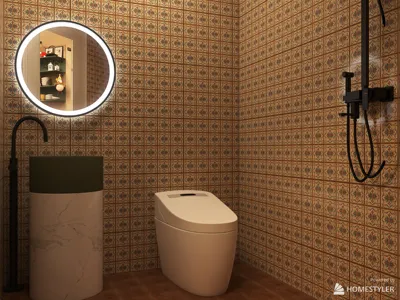


In one instance, I painted a small laundry closet a rich forest green because the client believed it would create a sense of coziness. While the result was indeed warm and inviting, it also made it difficult for our electrician to be seen against the wall! That experience reinforced the importance of visualizing colors in a 3D context before applying the first coat. This is especially crucial for shades of green, which can vary significantly in different lighting conditions.
Soft Sage for Tranquil Small Spaces
Soft sage is a personal favorite of mine because it acts as a neutral while infusing vitality into the room. It skillfully conceals imperfections and harmonizes beautifully with warm wooden elements. However, it can appear chilly in north-facing areas, so I suggest introducing warmer touches or a lamp that offers a warmer color temperature to enhance the space.
save pin
Muted Olive — A Warm, Inviting Choice
Muted olive offers a snug, embracing atmosphere without overwhelming the senses, making it ideal for bedrooms or reading nooks. Be cautious, though; a heavily yellow olive can seem outdated. Therefore, I recommend sampling swatches at various times throughout the day and using brighter trim to keep the overall look from becoming muddled.
save pin
Blue-Green Teal as a Standout Feature
Teal is my go-to solution for adding vibrancy to a small space without being overpowering. It works wonderfully when applied to a feature wall or cabinetry. This color pairs exceptionally with brass fixtures, although using high-quality paint is essential to prevent unsightly streaks.
save pin
Fresh Mint for Bright, Open Kitchens
Using mint in a kitchen can keep the atmosphere light and airy; it reflects light and does a better job at hiding fingerprints compared to plain white. If the kitchen is compact, consider testing green within this limited space to see how it interacts with your appliances.
save pin
Deep Forest for Boldness — Use with Care
Deep forest greens add a touch of drama and elegance, particularly on an accent wall or inside shelves, making materials like brass and leather truly shine. The key to utilizing this color successfully is to find balance; use it sparingly as too much can make a room feel cramped. I often complement it with ample lighting and lighter ceiling colors. Sometimes, I create a basic design mockup using tools like Homestyler to assess the ambiance.
save pin
Frequently Asked Questions
Q1: What are the best green paint shades for small spaces?
A1: Soft sage, muted olive, and pale mint are excellent choices that help maintain an open feel while adding warmth. Testing larger swatches at different times of day will yield the best results for your project.
Q2: How does lighting influence green paint colors?
A2: Natural light can dramatically alter the appearance of green hues; northern light tends to cool them, while southern or western light warms them. It's crucial to view paint samples under the actual lighting in your room.
Q3: Is it better to use matte or satin finishes for green walls?
A3: Satin finishes are more forgiving and easier to clean, making them suitable for kitchens and high-traffic areas, while matte finishes are better at concealing imperfections in low-traffic spaces.
Q4: Can green paint make a small space appear larger?
A4: Absolutely — pale and desaturated greens can reflect light and visually enlarge a space, while deeper greens add dimension but may make a room feel smaller.
Q5: What trim colors complement green walls best?
A5: Crisp white or warm off-white trims offer a striking contrast and prevent greens from appearing too heavy. Occasionally, I use light wood tones for a gentler aesthetic.
Q6: How can I select a green that won't seem outdated?
A6: Opt for desaturated greens with a slight gray undertone, as they tend to be more timeless than bright or neon greens.
Q7: Are there health concerns related to VOCs in green paints?
A7: Many paint brands now provide low-VOC and zero-VOC green options. For guidance on maintaining healthy indoor air quality, check out the U.S. EPA website for best practices.
Q8: Any tips for testing green paint effectively at home?
A8: Create large 2x3 foot samples on various walls, observe them both morning and evening, and pair each sample with furniture pieces to accurately judge the undertones against your decor.
save pin
Discover your home’s potential with Homestyler! This intuitive online design platform offers a powerful design tool, stunning 3D renderings, and a wealth of inspiring DIY video tutorials. Whether you're a beginner or a seasoned designer, Homestyler makes transforming your space easy and enjoyable.
Projete agora para LIVRE
































