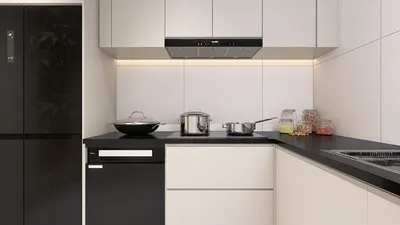


I once encountered a homeowner who insisted that their garage walls be painted in a shade reminiscent of a comic-book hero’s cape—vibrant, shiny, and quite impractical. This humorous exchange taught me the importance of balancing aesthetics with functionality, and I realized that selecting the right paint for garage walls should prioritize practicality over flamboyance. Now, I often utilize AI design inspiration, such as Homestyler, to visualize finishes and play around with color palettes before committing to any painting project.
1. Epoxy Paint: The ultimate choice for durability
I highly recommend epoxy for garages that are frequently used for parking vehicles, storing tools, or enduring heavy foot traffic. This type of paint offers a robust, chemical-resistant surface that's not only easy to clean but also adept at resisting stains—making it ideal for those with messy project cars or workshops.
However, it’s worth noting that epoxy can be on the expensive side and requires meticulous surface preparation, often necessitating a primer. A great budget tip is to apply epoxy to a single wall first as a test patch; this allows you to perfect the finish and drying time before painting the entire garage.
save pin
2. Washable Semi-Gloss Latex: Affordable and easy to manage
For most homeowners, I recommend using a high-quality, washable latex paint with a semi-gloss finish. This option is easy to clean, resistant to scuffs, and user-friendly for application with a roller. It strikes a solid balance between performance and affordability, making it a fantastic choice for a standard two-car garage.
While it may not withstand chemicals as well as epoxy and might display imperfections more visibly, you can refresh it without needing specialized assistance. I frequently suggest this paint type for rental properties or garages converted into creative spaces.
save pin
3. Elastomeric Masonry Paint: Seal and safeguard concrete walls
If you're dealing with bare concrete walls or those with tiny cracks, elastomeric paint is an excellent option—it can stretch to fill minor gaps while forming a waterproof barrier. This is particularly useful in regions with damp climates or garages that experience splashback from melting snow.
Keep in mind that elastomeric paint is thicker and can conceal flaws more effectively, although it can also be heavier to apply and is generally more costly per gallon. If you’re planning to reorganize storage or implement small utility enhancements, combining this paint with a thoughtful layout, similar to what one would consider using Homestyler for kitchen layouts, can help mitigate moisture-related issues.
save pin
4. High-Build Acrylic: Smooth, flawless finishes
High-build acrylic coatings effectively smooth out uneven surfaces, providing a semi-matte to satin finish that appears intentional and polished. I turn to these paints when clients desire a garage that can double as a more refined space, such as for a home gym or creative studio.
These paints are typically easier to touch up than epoxy and dry faster, although they offer moderate resistance to oils and solvents. Therefore, they are best used in areas where heavy grease exposure is unlikely.
save pin
5. Bold Accent Walls and Functional Color Zoning
Applying a contrasting, darker color to one wall or introducing stripes can help conceal marks and visually designate different areas within the garage—like a workbench area, parking bay, and storage space. Thoughtful color choices can transform a practical room into an intentional, clean-looking environment.
One small challenge is that brighter colors tend to show dirt more easily, so I usually suggest pairing these accents with a durable semi-gloss or epoxy in key areas. If you'd like to test how colors will appear under your garage's lighting, utilizing design tools like Homestyler can be invaluable for visualizing the space prior to purchasing paint.
save pin
FAQ
Q1: What is the most durable paint option for garage walls?
A1: Epoxy coatings are widely recognized as the most durable for garages—offering resilience against chemicals, stains, and wear, making them perfect for spaces with high usage and potential spills.
Q2: Are low-VOC paints suitable for garage use?
A2: Absolutely—low-VOC latex and acrylic paints help minimize indoor air pollution and odors, particularly in attached garages. They are safer during application and reduce off-gassing after painting.
Q3: Is priming necessary before painting garage walls?
A3: In most scenarios, yes. Concrete and bare masonry typically require a masonry or bonding primer, while previously painted surfaces might need a stain-blocking primer to ensure proper adhesion of the topcoat.
Q4: Can I apply epoxy paint by myself?
A4: DIY kits are available for smaller garages and can be effective, but epoxy requires precise mixing, temperature management, and surface preparation. For optimal long-lasting results, consider professional installation if you're uncertain.
Q5: How should I prepare concrete walls before painting?
A5: Thoroughly clean the walls, remove any efflorescence and loose materials, patch significant defects, and etch or acid-wash if required by the manufacturer of the coating. Proper preparation is crucial for achieving success—indeed, it's where 50% of the results lie.
Q6: Is elastomeric paint worth the extra investment?
A6: If you face issues with moisture, cracks, or frequent freeze-thaw cycles, opting for elastomeric paint can save you money in the long run by preventing water damage and reducing the need for repairs.
Q7: How long should paint cure before parking a car inside?
A7: Latex and acrylic paints usually need 24–48 hours to dry to the touch and may require up to a week to cure completely; epoxy often needs 72 hours or more—always follow the manufacturer's guidance for the best outcomes.
Q8: Where can I find official recommendations on selecting paint and maintaining indoor air quality?
A8: For trusted information on indoor air quality and VOCs, consult resources provided by the U.S. EPA regarding indoor air: https://www.epa.gov/indoor-air-quality-iaq.
save pin
Discover the joy of home design with Homestyler! This user-friendly online platform offers a powerful design tool, stunning 3D renderings, and a wealth of design projects alongside DIY video tutorials. Perfect for turning your creative ideas into beautifully visualized spaces—no experience needed!
Design Now for FREE
































