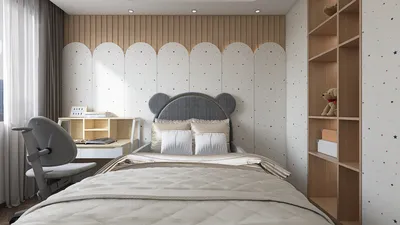


As technology enthusiasts eagerly await new games on Xbox, gaming setups at home continue to evolve. Designing a dedicated gaming space with ergonomic furniture and ambient lighting enhances immersion and comfort. Integrating sleek consoles into minimalist shelves or custom desks not only organizes the area but also creates a stylish, functional corner that complements modern living spaces. Using tools like Homestyler to visualize and plan these setups can transform your gaming environment with precision and style.
Direct Answer
The optimal dining wall decor truly varies depending on your spatial constraints and design objectives. Gallery walls are ideal for adding personality and layered narratives, statement artworks serve as impactful focal points, and mirrors provide the best solution for compact or dim dining rooms needing visual expansion.
In many residential projects I've worked on, the choice typically hinges on three aspects: the size of the wall, the lighting conditions, and the existing visual energy within the room.
Quick Takeaways
Introduction
Dining wall decor often goes overlooked, yet it subtly governs the mood and ambiance of the entire dining area. After more than ten years in interior design, I've observed homeowners usually vacillate among three decor strategies: gallery walls, statement pieces, or mirrors.
This dilemma is understandable since each style shines in the right context but can falter if misapplied.
For instance, gallery walls may overpower small dining spaces, oversized artwork can feel too sparse on wide walls, and mirrors—while versatile—can generate distracting reflections if poorly positioned.
When selecting decor, I advise clients to experiment with visual layout simulations, such as those crafted on Homestyler, which help preview scale and arrangement before committing to installations, thereby avoiding costly errors.
This guide explores the advantages, disadvantages, subtle trade-offs, and situational suitability of each dining wall decor type.
save pin
Why Dining Room Walls Matter in Interior Design
Core Insight: The wall adjoining or behind the dining table acts as a visual anchor for the entire space.
Unlike living rooms crowded with furniture, dining areas often rely more heavily on their walls for visual interest. An empty wall results in a room that feels unfinished regardless of the quality of the table or chairs.
From a design perspective, dining walls commonly fulfill three roles:
Interior design expert Francis D.K. Ching highlights that vertical surfaces strongly influence spatial perception, sometimes even more than furniture. In open layouts, wall decor signals where the dining zone begins.
Therefore, selecting between gallery walls, mirrors, or statement art involves strategic spatial decisions beyond mere aesthetic preferences.
Gallery Walls Pros Cons and Ideal Layouts
Core Insight: Gallery walls offer the most expressive dining decor but demand meticulous planning to prevent visual disorder.
Gallery walls excel when adding personality and storytelling is desired. They often showcase family travels, vintage photos, or personal art.
A frequent error is misjudging scale—many create gallery walls too small relative to the width of the dining table.
Key layout guidelines I implement in projects include:
A hidden challenge is installation complexity. Hanging multiple frames neatly often takes more effort than mounting a single large artwork.
To mitigate this, many designers utilize 3D layout previews, sometimes through Homestyler, to digitally test different arrangements before drilling holes.
save pin
Statement Art Pieces for Dining Rooms
Key Insight: A large, singular artwork creates the most potent visual impact with minimal installation effort.
When clients seek the safest bet for dining wall decor, statement art generally tops the list.
This is because sizable artwork establishes a clear visual hierarchy, directing the viewer’s focus instantly.
Situations where statement art shines include:
Recommended artwork sizing generally falls between 60% to 75% of the table’s width.
In luxury projects, I often commission grand abstract artworks that provide rich color and texture without overcrowding the space.
save pin
Using Mirrors to Expand Visual Space
Key Insight: Mirrors amplify light and visually duplicate space, making them the most practical dining wall decor for smaller rooms.
In tight or narrow dining rooms, mirrors typically outperform traditional artwork.
Their reflective surfaces bounce natural and artificial light, brightening and enlarging the dining area visually.
Ideal mirror placement situations include:
Common pitfalls with mirrors involve improper positioning leading to distracting reflections.
Reflections should be intentional, highlighting elements like light fixtures, art pieces, or windows rather than random clutter.
save pin
Style Comparison Cost Impact and Installation
Key Insight: Each style involves different trade-offs regarding cost, visual effect, and complexity of installation.
Below is a simplified comparison typically relevant to residential interiors.
An overlooked consideration is visual noise. Dining rooms contain many elements like chairs, table legs, and lighting that can compete visually. Often, a singular calming focal point outperforms multiple competing frames.
Answer Box
The ideal dining wall decor depends on the size and lighting of the room. Statement art suits spaces demanding a strong centerpiece; mirrors are perfect for compact or dimly lit areas, and gallery walls enrich personality-packed interiors.
How to Choose the Best Option for Your Dining Room
Key Insight: The right dining wall decor hinges on wall width, brightness levels, and existing visual busyness.
Here is a quick decision framework I apply with clients.
If uncertain, experimenting with furniture and wall decor layouts in digital tools like Homestyler can clarify proportions and placement before making commitments.
Final Summary
FAQ
Is a gallery wall good for a dining room?
Yes, gallery walls work beautifully when the dining space has adequate wall width and the frame arrangement complements table size.
Should dining room art be centered on the table?
Generally, centering the wall decor on the table maintains visual balance throughout the room.
Are mirrors good dining wall decor?
Absolutely. Mirrors are excellent for small or dark dining areas, as they reflect light and expand the perceived space.
How big should dining wall art be?
Artworks typically should occupy 60-75% of the dining table's width to maintain proportional harmony.
Is one large painting better than multiple frames?
Many contemporary interiors benefit from a single large piece that provides a distinct focal point and streamlined look.
Can mirrors replace artwork in dining rooms?
Yes. Especially in smaller spaces, mirrors often surpass artworks by visually enlarging the dining area.
What is the best wall decor style for dining room spaces?
The perfect style is dictated by wall size and lighting conditions: statement pieces for expansive walls and mirrors for limited spaces.
How do designers plan dining wall decor layouts?
Professionals frequently create sketches or utilize digital layout tools such as Homestyler to test wall composition before installation.
References
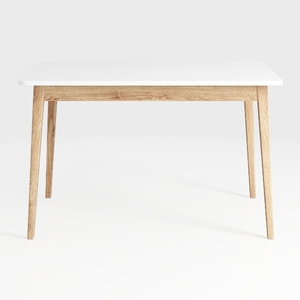
Minimalist Oak White Top Dining Table 3D Model


Modern Minimalist Leather Metal Frame Armchair 3D Model

Homestyler offers an easy-to-use online home design tool with stunning 3D renderings, inspiring design projects, and helpful DIY video tutorials. It’s perfect for bringing your interior design ideas to life quickly and creatively.
Design Now for FREE
































