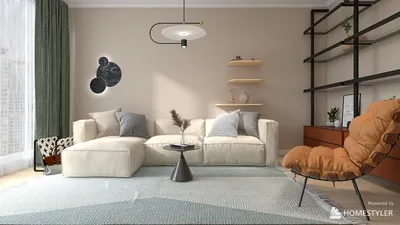


In a recent project, a client demanded a dining room floor that was not only "pet-friendly and party-proof," but also had the appearance of walnut—all while keeping it within the budget for laminate. After a good laugh, I utilized my laptop to design a layout and tested various dimensions using a free floor planner to prevent any expensive errors. It's fascinating how subtle changes in flooring choices can influence the entire atmosphere of a space, and I firmly believe that even compact areas can inspire grand ideas, especially with the help of tools like Homestyler.
1. Engineered Hardwood — Inviting warmth without warping
Engineered hardwood is a fantastic choice as it captures the authentic aesthetic of wood while offering superior stability in humid kitchen and dining environments. It’s inviting and appeals to potential buyers, but do keep in mind that the thickness of the veneer is crucial: thinner veneers may not withstand sanding as often, so plan your budget accordingly and be prepared for moderate pricing for durability.
save pin
2. Luxury Vinyl Plank (LVP) — A blend of practicality and appeal
LVP strikes a perfect balance between beauty, moisture resistance, and ease of upkeep, making it ideal for homes with frequent gatherings or children. It can convincingly imitate wood or stone and is quick to install. However, be wary of lower-quality LVP options, as they might appear plastic and could lift in sunlit areas; opting for mid-range products is advisable for a more authentic appearance.
save pin
3. Porcelain Wood-Look Tile — Durable and everlasting
When spills are a daily occurrence, I often recommend porcelain that resembles timber. This material is incredibly resilient and works well in open spaces that seamlessly connect with the kitchen. Think about continuity while planning your layout with a skilled kitchen layout planner. The downside is that it can be chilly underfoot and requires grout maintenance unless you opt for large, rectified planks.
save pin
4. Cork — Silent, eco-friendly, and gentle on joints
Cork flooring often surprises clients with its warmth, softness, and sound-absorbent qualities—ideal for multi-story homes or apartments. It’s also naturally insulating and environmentally friendly. However, be transparent about its limitations: sharp footwear and heavy items can leave dents, and it necessitates proper sealing in dining areas.
save pin
5. Patterned Hardwood or Painted Floors — Bold choices with a touch of risk
For a standout feature, herringbone, chevron, or painted designs can delineate the dining space without building new walls. They require more precision and higher initial labor costs, and patterns may go out of style, yet if executed well, they can become defining elements of the room.
save pin
Smart budgeting suggestions
Prioritize matching materials to your lifestyle first, and consider aesthetics second. If you're working with a limited budget, stagger the quality by investing in areas where visibility is highest while compromising in less-visible spots. Always obtain samples to evaluate how they look under your lighting conditions.
save pin
The importance of planning
I always recommend visualizing layouts before purchasing wide planks or custom tiles; utilizing a 3D mock-up can save clients from costly mistakes—one project saved a client thousands when we identified that plank orientation would shorten the space. To accurately visualize joints and transitions, consider using a 3D floor planner like Homestyler, which can help you avoid awkward seams and inconsistent grain patterns.
save pin
Common questions
Q1: Which dining room flooring is the most durable?
A1: Porcelain tiles and high-quality LVP rank high in durability, effectively resisting scratches and moisture. Opt for porcelain for long-lasting resilience, while LVP offers warmth and ease of installation.
Q2: Is hardwood a suitable choice for dining rooms?
A2: Definitely—hardwood enhances both value and warmth, but it requires care against spills and consideration in terms of plank width and finish. Engineered hardwood can provide additional stability in humid environments.
Q3: Can I install different flooring types in open-plan kitchen and dining spaces?
A3: Absolutely, but be careful with transitions to ensure seamless flow. Using similar shades or coordinating plank orientations can help unify the areas. Budget for thresholds or discreet inlays for smooth joins.
Q4: How do I decide between LVP and engineered hardwood?
A4: Choose LVP if moisture resistance and low maintenance are top priorities; opt for engineered hardwood for its authenticity and appeal during resale. Consider long-term wear and whether you're interested in a floor that can be refinished.
Q5: Are cork floors considered easy to maintain?
A5: Yes, cork is simple to keep clean with regular sweeping and occasional damp mopping. It requires resealing every few years in high-traffic dining areas. Avoid harsh cleaners and utilize felt pads under furniture to prevent dents.
Q6: Will patterned floors make my dining room appear smaller?
A6: Intelligent pattern choices can actually enhance and delineate a space when scaled appropriately. Small, intricate patterns may overwhelm a compact room, while larger designs can yield the opposite effect. I often create a mock-up area first to evaluate scale and ambiance.
Q7: What budget should I anticipate per square foot?
A7: Prepare for a range: basic LVP may start from a few hundred total, while mid-range engineered hardwood or quality LVP can fall within $6–$12 per square foot, depending on materials. Porcelain or high-end hardwood will be more costly. Always include an additional 5–10% for waste and 10–20% for installation labor based on complexity.
Q8: Are there trusted resources for wood flooring performance?
A8: Certainly—organizations like the National Wood Flooring Association offer technical guides and standards. Visit their website at https://www.nwfa.org for detailed specifications and best installation practices.
save pin
Homestyler is your go-to online home design platform! With its user-friendly design tool, stunning 3D renderings, and a wealth of inspiring design projects and video tutorials, you can effortlessly transform your home into a beautiful space. Start creating your dream home today!
تصميم الآن مجانا
































