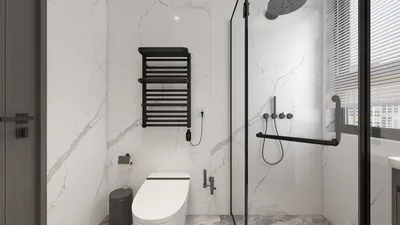


Late at night, I agreed to repaint a client's small bathroom cabinets because she claimed, "the light looks different then." Arriving with paint samples, I quickly learned that moisture, lighting, and the size of a space can alter how colors appear. Transforming tiny spaces into visually stunning areas demands significant choices, which is precisely why I adore giving bathroom cabinets a fresh look — they are compact, cost-effective, and can deliver dramatic results.
1. Water-based acrylic enamel (an excellent all-purpose option)
I generally suggest using water-based acrylic enamel for bathroom cabinets due to its combination of durability and ease of cleanup. This paint dries quickly and is less prone to yellowing over time compared to traditional oil-based paints, ensuring that your white or navy hues stay vibrant. However, a primer and light sanding between layers may be necessary for a smooth, factory-like finish. The reward is a resilient surface that withstands humidity effectively.
save pin
2. Alkyd waterborne (durable like oil, low in odor)
For a client seeking a super smooth, high-traffic finish, I selected an alkyd waterborne paint. It levels beautifully, resists chipping, and achieves that enamel appearance without the harsh solvents. While it's on the pricier side and requires good ventilation during application, it strikes a great balance between durability and practicality for cabinets that receive frequent use.
save pin
3. Latex with urethane additive (an economical and forgiving choice)
If you're working within a budget, high-quality latex paint mixed with a urethane additive provides moisture resistance and is more manageable for DIYers. While it might not be as hard as alkyd, proper priming and a satin or semi-gloss finish allow it to perform admirably. Just be patient and handle it with care for the first few weeks to ensure it cures completely.
save pin
4. Cabinet-grade enamel (professional, prefinished look)
For a genuine furniture-like finish, cabinet-grade enamels designed for cabinetry are perfect. I recommend these when clients desire bespoke looks — custom colors, inset doors, or resilient finishes. Keep in mind, these often require a sprayer for best results, which can increase both cost and complexity, but the quality of the finish, both in durability and appearance, is outstanding.
save pin
5. Protective clear topcoat over color (additional protection in moist areas)
Regardless of the color or base paint chosen, applying a water-resistant clear topcoat enhances longevity, particularly around wet areas like sinks and tubs. Options like polyurethane or polyacrylic clear coats made for cabinets provide excellent scratch and moisture resistance. Remember that some topcoats might slightly alter sheen or tone, so it's wise to test a sample first.
save pin
Materials, sheen, and color suggestions
Opt for semi-gloss or satin finishes — they clean easily and are less likely to show water spots than high-gloss options. Lighter colors can brighten small bathrooms, while deeper shades can conceal wear and add a dramatic flair. If you wish to visualize layouts or try different palettes before making a decision, I sometimes utilize a 3D floor planner, like Homestyler, to see how light interacts with color in the actual space.
save pin
Preparation checklist
Effective preparation can often outperform expensive paint. Ensure surfaces are clean, strip or degloss any existing finish, fill dents, sand smooth, and employ a bonding primer. For humid bathroom settings, a moisture-resistant primer is advisable along with waiting for paint to dry between coats. Many clients underestimate the necessary cure time — it's crucial not to rush the process.
save pin
DIY vs pro considerations
If you have the necessary skills, you can achieve impressive results with quality tools: a good brush, a foam roller for cabinet fronts, or even a sprayer if available. Professionals can offer flawless finishes and quicker results due to their experience in avoiding drips and brush marks. I often remind clients that while labor costs can be high, a professional finish may last significantly longer with less maintenance.
save pin
Tips 1:
For quick evaluations, paint a sample cabinet door and hang it in the bathroom for a few days, observing how it reacts to varying light and humidity. Also, think about upgrading hardware — new pulls and hinges can make painted cabinets appear thoughtfully designed rather than merely patched up.
save pin
FAQ
Q: What sheen is ideal for bathroom cabinets?
A: Semi-gloss or satin finishes are best, offering a balance between easy cleaning and low reflection. Semi-gloss is slightly easier to clean, while satin is better at hiding imperfections.
Q: Is it okay to use standard wall paint on cabinets?
A: It is possible, but be aware that wall paint tends to be less durable. If you choose this route, add a robust topcoat and prepare for more frequent touch-ups.
Q: Should I prime before painting bathroom cabinets?
A: Absolutely. A quality bonding or stain-blocking primer improves adhesion and longevity, particularly over previously stained or oil-based surfaces.
Q: Is it necessary to spray application?
A: Not mandatory, but spraying does yield the smoothest, factory-like finish. Rollers and brushes can work effectively if proper techniques are followed and sanding occurs between coats.
Q: How long should paint cure before I can use the cabinets normally?
A: Most cabinet paints may dry to the touch within 24 hours, but for full curing, a wait of 7 to 30 days is typically recommended; always adhere to manufacturer guidelines for optimal results.
Q: Which paint brands are suggested?
A: Many professionals prefer well-established brands that offer lines specifically for cabinetry. Review technical specifications for alkyd waterborne or acrylic enamel options. For regulatory standards and information, consult the EPA or technical sheets provided by paint manufacturers regarding VOC and durability guidelines (refer to EPA guidance on VOCs: https://www.epa.gov/indoor-air-quality-iaq/volatile-organic-compounds-impact-indoor-air-quality).
Q: How can I prevent paint from peeling in humid bathrooms?
A: Thorough surface preparation, moisture-resistant primer, and good ventilation are essential. Applying a clear topcoat will provide additional protection in high-moisture areas.
Q: Can I change the color of cabinets without sanding?
A: It's possible to use a liquid deglosser or bonding primer on many surfaces, but sanding generally ensures the best adhesion and a smoother finish.
save pin
Looking to redesign your space? Homestyler offers an exceptional online home design tool that makes it easy to visualize your ideas. With stunning 3D renderings, a vast selection of design projects, and helpful DIY video tutorials, you can transform your home effortlessly and creatively!
Design Now for FREE
































