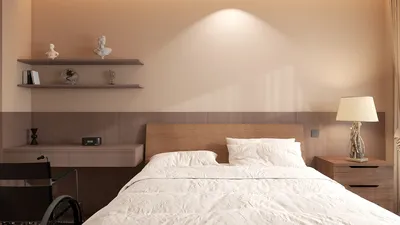


I once suggested a bright white paint for a basement makeover, only to have the homeowner reach out to me a week later—there was a subtle, enduring damp odor, and the paint was bubbling like a poorly made soufflé. This experience taught me the crucial lesson of always emphasizing moisture management before selecting a color and to focus on the performance of products rather than just their packaging. For quick inspiration, I frequently direct clients to design case studies that showcase effective basement designs. Indeed, small spaces require thoughtful choices; with the right paint and preparation, a basement can be both inviting and resilient.
1. Waterproof Paints Specifically for Masonry or Concrete
For bare concrete walls, I often recommend masonry paints, which are also known as masonry waterproofing. These paints form a chemical bond with porous surfaces, effectively repelling water, making them ideal for environments where hydrostatic pressure or seepage might occur. They are economical and suitable for DIY projects, though be aware that they may conceal less texture than thicker coatings and could require application on a wet surface—always test a small section first.
2. Epoxy Coatings for Basements with High Moisture or Traffic
Should your basement serve as a workshop or laundry area, epoxy is notably durable, resisting both stains and wear. It forms an effective seal against moisture and is easy to clean, but its higher cost and the need for thorough surface preparation and ventilation during application cannot be overlooked. I once specified epoxy for a client’s home gym; while it was pricier, it proved to be long-lasting with minimal maintenance required.
save pin
3. Acrylic Latex Paint with a Superior Primer
Acrylic latex paints, when paired with a mildew-resistant primer, offer versatility for finished basements. These paints provide better breathability than some heavy-duty waterproof options, which helps prevent moisture trapping—however, they are not a solution for active leaks. The advantages include a wide range of color selections, ease of touch-ups, and lower VOC alternatives. For most living-area basements, this offers the best combination of aesthetics and practicality—consider it the adaptable middle ground.
save pin
4. Elastomeric Coatings for External or Highly Moist Environments
Elastomeric paints are thick and rubbery, effectively bridging tiny wall cracks—ideal for basements with technically dry walls that exhibit micro-fractures. They excel at keeping water out, although they can be a bit costly and may change fine textures. I once recommended this for a client with a hairline-cracked foundation; it provided peace of mind along with a flawless finish.
save pin
5. Paints and Additives Resistant to Mold for Finished Areas
For basements that function as bedrooms or media rooms, utilizing mold-resistant formulas or adding antimicrobial agents to paint is beneficial for both health and longevity. While these won't prevent significant water issues, they do help minimize surface mold growth in humid conditions. The downsides can include a limited selection of colors in certain mold-resistant products and a slightly higher cost, but for livability, they are certainly worth it. To visualize how color and finishes impact a compact basement, some layout examples I use with clients paired with Homestyler can be incredibly useful.
save pin
Tips 1:
Preparation is crucial: thoroughly clean, remove lime, patch any cracks with hydraulic cement, and apply a high-quality primer designed for masonry or the specific paint system. Budget tip: if funds are tight, invest more in preparation and primer, opting for a mid-range finish—using inferior topcoats over inadequate prep will lead to quicker failures. For design assurance, I sometimes provide clients with 3D room visuals through Homestyler to help them envision finish selections in context.
save pin
FAQ
Q1: What is the most suitable type of paint for basement walls?
A1: There’s no definitive answer, but for many basements, a masonry waterproof paint or an acrylic latex paired with a mildew-resistant primer provides the best compromise between moisture control and finish quality. Your choice should depend on whether there are active leaks or merely high humidity.
Q2: Can I apply paint over damp basement walls?
A2: No—applying paint on damp walls traps moisture, leading to peeling and mold growth. It’s essential to fix leaks, dry the walls, and then use an appropriate primer along with paint designed for masonry or moist environments.
Q3: Are low-VOC paints preferable for basements?
A3: Absolutely, low-VOC paints enhance indoor air quality, making them ideal for enclosed basement spaces, especially where ventilation is poor. They behave similarly to regular paints once they have cured properly.
Q4: How can I prevent mold growth after painting?
A4: Utilize mold-resistant primers and paints, ensure adequate ventilation or use a dehumidifier (keeping relative humidity below 50%), and address any water sources. Regular inspections and prompt leak repairs can prevent mold recurrence.
Q5: Is a primer necessary for basement walls?
A5: Definitely—primer seals porous masonry, enhances adhesion, and can block stains. For many paint systems, using a primer is vital for warranty validation and longevity.
Q6: Is epoxy paint excessive for a finished basement?
A6: Often, yes—while epoxy is robust and ideal for utility spaces or flooring, it may appear too industrial in finished living areas unless that aligns with your preferred design.
Q7: Where can I find trusted information on moisture and mold?
A7: For trustworthy information, refer to the U.S. EPA’s mold resources at https://www.epa.gov/mold, which covers moisture management and health guidance.
Q8: What should I expect to budget for basement painting?
A8: Budgeting can vary widely: DIY basic masonry paint could cost a few hundred dollars, while professional waterproof coatings or elastomeric options may run into the thousands, depending on preparation, size, and contractor rates. Prioritize preparation and the right system over opting for the cheapest paint available.
save pin
Discover your home's potential with Homestyler! This user-friendly online design platform offers a powerful design tool, stunning 3D renderings, and a wealth of inspiring design projects and video tutorials. Perfect for both beginners and seasoned designers, it makes transforming your space a breeze!
Design Now for FREE
































