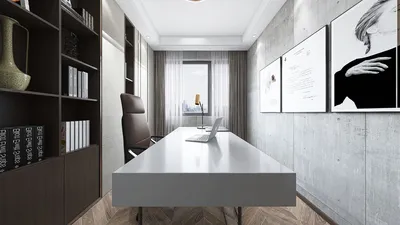


There was a time when I nearly painted a client's baseboards matte black in a quest to be 'edgy'. The homeowner's reaction to my sample was both priceless and a learning experience. I realized that baseboards function as miniature canvases that can significantly influence the overall appearance of a room, and sometimes, selecting the right sheen can make all the difference. To visually assess how lighting interacts with the trim before finalizing a finish, I often utilize 3D room mockups using tools like Homestyler.
Inspiration 1: Semi-Gloss White for a Classic, Easy-Clean Finish
For clients seeking a timeless and easy-to-maintain solution, I often recommend semi-gloss for baseboards. It reflects enough light to appear as crisp trim without being overly flashy, plus scuffs can be effortlessly wiped away with a damp cloth. However, it’s important to note that semi-gloss tends to showcase brush strokes more prominently, making thorough preparation and a smooth topcoat invaluable.
save pin
Inspiration 2: Satin Sheen for Subtle Elegance
When homeowners desire a softer aesthetic yet require durability, satin is my top choice. It effectively masks minor flaws while still offering good resistance against stains, making it ideal for busy hallways and playrooms. You might notice it isn’t as easy to scrub as semi-gloss, so it’s wise to conduct a test in high-traffic areas first.
save pin
Inspiration 3: High-Gloss for a Statement and Maximum Durability
Opting for high-gloss on baseboards lends a purposeful, almost architectural feel to the space; it's perfect for those who appreciate contrast and dramatic detailing. This finish is the most long-lasting and easiest to maintain, yet it will highlight every sanding groove and repair, making preparation and priming critical. If you’re on a budget, remember to factor in time (or hire professionals) for flawless surface preparation.
save pin
Inspiration 4: Contrasting Dark Sheen for Modern Impact
Choosing a deep, contrasting color with a satin or semi-gloss finish for baseboards can anchor a room with a designer touch. I’ve successfully employed this approach in smaller projects where clients desired a dramatic effect without major furniture alterations. However, a downside is that darker shades can show dust and scuffs more prominently, so it’s wise to establish a cleaning routine and select a durable sheen for high-traffic areas. You can also explore similar concepts in kitchen layout examples for helpful coordination tips.
save pin
Inspiration 5: Two-Tone and Accent Trims with Lower-Sheen Walls
If you have matte or eggshell walls, using satin or semi-gloss on your baseboards creates a pleasing, deliberate contrast. This approach offers a cost-effective way to uplift a room without the need to replace furniture. The main consideration here is ensuring the undertones of the wall and trim match—always test samples under the actual light conditions of the room before proceeding.
save pin
Tips 1:
Never forget to prime bare wood and patched areas. Sanding between coats is essential if you want that mirror-smooth look. For planning room layouts and visualizing the impact of trims on tight budgets, I occasionally use floor plan visuals like those created in Homestyler to verify proportions. A little preparation can prevent significant regrets down the line.
save pin
FAQ
Q: What sheen is best for high-traffic baseboards?
A: The ideal choices are semi-gloss or high-gloss, as they endure scuffs well and are easy to clean. Semi-gloss strikes a balance between durability and subtlety, while high-gloss offers the highest level of wipeability.
Q: Is satin a good compromise between appearance and durability?
A: Absolutely! Satin provides a softer look compared to semi-gloss while holding up well against cleaning, making it a popular selection for family homes and hallways.
Q: Should I use the same sheen for baseboards and door trim?
A: I typically maintain the same sheen for both baseboards and door trim to create cohesion, unless you’re intentionally aiming for contrast. Having matching sheens helps the room read as a cohesive design.
Q: Do darker baseboards need a different sheen?
A: Dark trims are best with satin or semi-gloss finishes because they won’t highlight dust as starkly as high-gloss. Additionally, darker colors might require more touch-ups for chips, so opt for a durable finish.
Q: How crucial is priming prior to applying the topcoat?
A: It’s extremely important—priming seals repairs and guarantees proper adhesion, particularly on raw wood or previously stained trims. Skipping primer can lead to an early repaint.
Q: Are low-VOC paints suitable for indoor use?
A: Yes, low-VOC paints minimize exposure to volatile organic compounds and are recommended for indoor environments. As per the U.S. EPA, using low-VOC products contributes to better indoor air quality.
Q: Should I use a brush or a sprayer for painting baseboards?
A: Brushes and mini-rollers are great for DIY projects as they afford excellent control; sprayers are quicker and yield an ultra-smooth finish but require masking off surrounding areas. For larger renovations, I prefer using a sprayer, while a good angled brush is ideal for touch-ups.
Q: Any brand recommendations?
A: I don’t promote a single brand; instead, seek reputable lines with positive reviews for trim paints and low-VOC options. Test out samples in your home’s lighting and inquire at paint stores regarding warranties and durability ratings.
save pin
Homestyler is your go-to online platform for home design! With an easy-to-use design tool, stunning 3D renderings, and a plethora of inspiring design projects and DIY video tutorials, you can effortlessly create your dream space. Transform your ideas into reality with Homestyler today!
Zaprojektuj teraz za darmo
































