

During a recent consultation, I showcased a sample of Benjamin Moore's Pale Blue to a client, and she exclaimed, “That’s too icy!” However, once I placed it alongside her oak flooring, the entire ambiance shifted, creating an inviting feel. This experience taught me that the effects of lighting and surrounding elements are crucial in design. Now, before I even consider painting, I always create a quick layout mockup. Particularly in smaller areas, I find that even a single color can dramatically influence the overall aesthetic.
Small spaces ignite immense creativity, and Pale Blue proves to be surprisingly adaptable. I’m excited to share five practical inspirations I apply in my projects, along with sincere commentary on their effectiveness, potential pitfalls, and the essential strategies I advocate for.
1. Serene bedroom retreat
I frequently opt for Pale Blue in bedrooms when clients seek a tranquil atmosphere without a chilling effect. In northern-facing spaces, this hue appears softer and more comforting, especially when paired with warm fabrics and layered lighting to maintain a cozy vibe. On the flip side, if cold metallics are overused, the room can lack warmth, so I recommend incorporating wooden accents or brass elements for balance.
Tip: For a soft and forgiving finish that conceals minor flaws on walls, choose an eggshell or low-sheen paint.
save pin
2. Elevate a compact bathroom
In a very small bathroom I recently transformed, I applied Pale Blue on both the walls and ceiling to create an illusion of height; this choice allowed the ceiling to appear elevated and prevented tiles from overwhelming the space. Pale Blue harmonizes beautifully with white subway tiles and warm grout, but considering humidity, I advise selecting a mildew-resistant satin or semi-gloss for durability.
Challenge: Testing is essential — a small swatch may look different under bathroom lighting than in natural daylight, so make sure to sample before making final choices.
save pin
3. Subtle color for kitchen cabinets
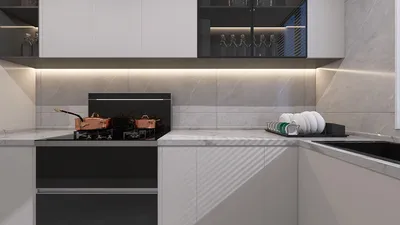
I assist homeowners in moving away from stark whites by applying Benjamin Moore's Pale Blue to lower cabinets, which adds grounding without sacrificing airiness in the kitchen. This color pairs exquisitely with butcher block countertops and warm stone surfaces; it presents a cost-effective way to refresh a space without undergoing a complete renovation. For those looking to envision how cabinet colors will fit into a layout, I recommend using a planner like Homestyler to illustrate kitchen design options, allowing clients to visualize the interplay between cabinets and functional areas.
Downside: Cabinets can easily accumulate scuffs; it's wise to use a robust primer and topcoat designed for cabinetry, and be ready for minor touch-ups.
save pin
4. Mixing warm wood and brass
Pale Blue thrives alongside companions — natural wood, rattan, and warm brass help ground this hue so it appears fresh rather than frosty. In one instance, I exchanged chrome fixtures for brushed brass in a living area, transforming the paint’s feel to vintage-modern, much to my clients’ delight. The secret lies in proportions: too much brass can lead to a dated aesthetic, so I start with smaller brass accents before committing to larger pieces.
Budget tip: Inexpensive features like lighting or knobs can significantly elevate the overall visual appeal while being budget-friendly.
save pin
5. Accent wall with picture molding
Instead of applying Pale Blue uniformly, I sometimes utilize it for an accent wall, framed by simple picture molding, to create dimension without overpowering the area. This technique works wonders in hallways and dining corners, where a subtle splash of color can uplift the atmosphere. For visualizing the impact of the color from various angles, I often create a preview using a 3D floor planner like Homestyler to eliminate guesswork.
Minor downside: Installing molding takes additional preparation and time, so budget for extra labor costs.
In summary, Benjamin Moore's Pale Blue is a versatile chameleon — it has the capacity to be serene, bright, or creatively nostalgic based on the finishing touches and context. I always advise experimenting with larger paint samples, selecting an appropriate sheen for the specific room, and integrating at least one warm element to ensure the space remains inviting.
save pin
FAQ
Q1: Is Benjamin Moore Pale Blue warm or cool?
I perceive Pale Blue as cool but soft — it leans towards a tranquil, slightly grayish blue rather than an icy turquoise. The atmosphere can shift based on lighting and surrounding materials.
Q2: What finish is best for Pale Blue in a living room?
For living rooms, my preferred finish is eggshell or low-sheen as it reflects light sufficiently while covering minor wall imperfections. For trim or cabinetry, a satin or semi-gloss finish is recommended for durability.
Q3: Is Pale Blue ideal for small spaces?
Definitely — Pale Blue can enlarge the appearance of small rooms and impart a relaxing ambiance, especially when applied to both walls and ceilings to soften edges. Always test a large swatch to see how it interacts with your specific lighting.
Q4: Can I use Pale Blue for kitchen cabinets?
Yes, it’s frequently used for lower cabinets or kitchen islands, adding a touch of color without overwhelming the design. Ensure you use high-quality primers and durable finishes to withstand wear.
Q5: How should I pair metals with Pale Blue?
I typically suggest pairing Pale Blue with warm metals like brass or aged bronze to offset the coolness of the blue; chrome is suitable for a cooler, more modern appearance. Start with small accents to gauge the compatibility before upgrading major fixtures.
Q6: What sheen does Benjamin Moore suggest for bathrooms?
Benjamin Moore recommends satin or semi-gloss finishes in bathrooms, as they are better at handling moisture and are easier to clean (source: https://www.benjaminmoore.com). These finishes perform well in humid environments.
Q7: How much paint should I purchase?
Coverage can vary depending on the surface and primer, but generally, one gallon covers around 350-400 square feet. For cabinets or darker base colors, plan on applying two coats plus a primer.
Q8: Any quick advice before I start painting?
Always prime when covering dark colors or stained surfaces, test full-size swatches in varied lighting conditions, and pay attention to the finish — sheens affect the perceived color. When uncertain, I often mock up the space digitally or with physical samples before applying the first coat.
save pin
Homestyler is your go-to online platform for home design, perfect for both novices and experts. With its user-friendly design tool, stunning 3D renderings, and a wealth of DIY video tutorials, you can effortlessly create and visualize your ideal space. Start designing today!
Дизайн сейчас бесплатно
































