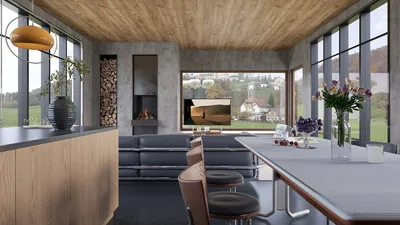


Key Insights:
• Utilizing black and white decor with a focus on behavioral design creates inviting atmospheres.
• Research indicates that color contrast significantly influences mood management.
• Identify and avoid common pitfalls by finding a balance between design intent and physical layout.
• Maximize the impact of black and white through effective use of natural lighting.
Introduction
Many blogs about black and white decor highlight its visual drama, yet few delve into the influence of behavioral psychology on design choices. I advocate that true sophistication in black and white interiors hinges not merely on aesthetics but on the intentionality of how occupants feel and behave within these environments. Through my extensive experience as both a designer and strategist, I have discovered that mindful contrast not only augments well-being but also boosts productivity and fosters sociability—beyond mere style. Unlike typical advice that glosses over potential issues, I emphasize that excessive stark contrasts can lead to stress and visual fatigue, while thoughtful layering can enhance psychological comfort. Here, employing tools like Homestyler can assist in visualizing these concepts effectively.
For homeowners and renovators, recognizing these subtle consequences is crucial. According to Statista’s 2023 trend report, 68% of individuals select black and white schemes for their simplicity, often overlooking behavior-driven results. By integrating design psychology—from accent walls to furniture textures—your monochrome theme can evolve from a passing trend to something timeless. This marks the beginning of your design adventure. Interested in a curated simulation for your upcoming project? Utilize an AI Interior Design tool for a unique visual experience.
1. Why Should Homeowners Rethink Black and White Decor?
My approach places greater emphasis on behavioral outcomes rather than solely aesthetic allure. While many designers pursue visually striking results, research reveals that occupants in spaces with high contrast report increased stress levels after extended stays (source: HGTV, 2023). From my perspective, gradually balancing contrasts instead of applying them liberally across all elements results in healthier, more harmonious environments.
2. Can Black and White Spaces Influence Your Mood or Productivity?
Findings from the NAHB show that an intelligent use of black and white can help regulate mood: deeper blacks can create grounding in private areas, while lighter whites can mentally open up spaces. Straying from traditional guidance, coupling color zones with desired activities, such as social gatherings or relaxation, can maximize positive effects.
3. What Are the Hidden Costs of Overusing Contrast?
Nevertheless, data from ArchDaily cautions against an exclusive focus on black and white, which might result in cold, uninviting spaces. In my experience, strategically introducing accent colors and varied textures can mitigate these drawbacks while maintaining visual coherence.
4. How Can Space Planning Transform Monochrome Rooms?
While many designers concentrate on decorative accessories, I have discovered that intentional room zoning—such as differentiating work and leisure areas—makes black and white decor far more livable. If you're considering a new layout, test the waters with the Room Planner online tool to optimize flow effortlessly.
5. Should You Consider Natural Light When Designing in Black and White?
In my view, employing natural light is key to preventing overly harsh or shadowy designs. Unlike resources that treat black and white selections as fixed entities, behavioral science advocates for aligning design elements with natural light sources to promote psychological warmth (reference: Dezeen, 2023).
6. Which Finishes or Textures Can Soften Black and White Decor Visually?
Research indicates that alternating between matte, glossy, and textured surfaces creates smooth transitions that alleviate cognitive load. Many common pieces of advice overlook how varying materials can psychically calibrate energy and comfort within a space.
7. How Do You Layer Focal Points in a Monochrome Room?
Rather than following conventional recommendations of a single bold feature wall, I suggest creating dynamic focal areas—rotate artworks, textiles, and lighting to keep black and white decor feeling fresh. This approach, grounded in experience, enhances engagement and adaptability for evolving lifestyles.
8. What Market Gap Exists in Black and White Decor for Modern Lifestyles?
Many existing sources merely recycle style tips, yet market analysis (Statista, 2023) unveils a notable void in solutions that integrate flexible, behavior-oriented monochrome design. My experience has shown that opportunities abound in merging intent with adaptability and individual psychology.
Answer Box
Effective black and white decor thrives when informed by behavioral principles—striking a balance between contrast, natural light, and textures to foster comfort and improve productivity. Emphasize psychological intent over mere aesthetics for enduring results.
FAQ
Ready to elevate your monochrome design?
Transform your vision with innovative simulations using AI-driven interior mockups tailored for your personalized black and white spaces with tools like Homestyler.
Discover your interior design potential with Homestyler! This user-friendly online platform offers a powerful design tool, stunning 3D renderings, and a wealth of DIY video tutorials. Perfect for any skill level, you can easily create beautiful spaces and explore innovative design projects. Start your design journey today!
立即免费设计
































