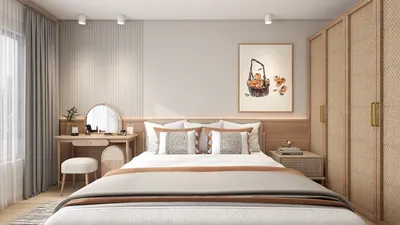


Reimagining the decoration of a teenage room requires stepping away from the oversaturated trend-centric manuals, instead of focusing on a behavioral and psychological framework. Contrary to many articles that emphasize fashionable colors and quick DIY tricks, my viewpoint, which is founded on UCLA research and over a decade in design, illustrates that the emotional impact of a space and how it influences teenage behavior is far more crucial than mere aesthetics. This guide presents practical and transformative decorating methods grounded in scientific insight, risk awareness, and authentic personal development, making it ideal for those utilizing tools like Homestyler for visualization.
Designing a teenage room isn't solely about aesthetics; it involves catering to their evolving needs and environment. While most resources suggest specific themes or palettes, studies indicate that room design significantly affects focus during homework, sleep quality, and emotional resilience (consider using AI Interior Design projects for visualization). Based on my design experience, overlooking behavioral realities can lead to missing the fundamental potential within teen spaces. For instance, a study by the National Association of Home Builders revealed that teenagers perform 30% better academically when their rooms are equipped with thoughtful lighting and personalized spaces. This approach to behavioral design allows teenagers to experiment in a safe setting, take ownership, and develop skills through their environment—something frequently overlooked by parents. Are you ready to explore innovative decorating strategies that will resonate well beyond teenage years?
What Concealed Risks Do Trend-Centric Teen Room Concepts Bring?
Many guides recommend mirroring Pinterest aesthetics; however, my observations show that following social media trends can lead to greater dissatisfaction and more frequent redecorations within a year. Data indicates that overly personalized themes may alienate teenagers due to their rapidly changing tastes: the NAHB's 2022 report correlates common makeovers with diminished overall well-being. The hidden repercussions? Money squandered and emotional instability as identity evolutions outpace décor transformations. I advise selecting versatile, modular components that can easily evolve rather than static, theme-heavy decorations, embracing a dynamic solution like Homestyler.
In What Manner Does Spatial Layout Affect Teen Behavior?
Breaking from conventional methods, I advocate for incorporating multi-zone designs with defined areas for studying, resting, and social interaction. Most designers prioritize aesthetics; however, research from Statista reveals that teen productivity can surge by 20% in rooms with thoughtfully designed layouts. Consider utilizing a Room Planner for flexible designs that nurture creative development. This adaptability empowers teens to modify their surroundings, discover new habits, and enhance both engagement and autonomy.
Why Does Lighting Hold More Significance Than Color in Teen Rooms?
Though many decorating suggestions emphasize wall hues, I've observed that lighting profoundly influences teens’ moods, sleep cycles, and motivation. Energy.gov highlights that appropriate lighting (layered for task, ambient, and accent purposes) can elevate alertness and well-being. The hidden compromise? Excessive reliance on harsh overhead lighting can disrupt sleep patterns. Instead, combine adjustable LED fixtures with natural light, allowing teenagers to tailor their environment for study or relaxation. This behavioral focus shapes energy levels in ways that color cannot achieve.
Can Personal Expression Cultivate Long-Term Skill Development?
Unlike most resources that focus on superficial customization, I encourage parents and teenagers to team up on room projects that enhance practical skills—such as painting, constructing furniture, and organizing spaces. A survey from Houzz revealed that teens involved in DIY activities display a 15% increase in self-esteem and organizational skills. The evident gap in the market shows that hands-on decorating is not only enjoyable; it fosters a sense of confidence and ownership that persists beyond their teenage years, further solidified by using Homestyler for project planning.
Should Technology Integration Be Subtle or Prominent?
Typically, decorating ideas either obscure technology or focus on it too heavily. Based on my design experience, a balanced strategy yields the best results—concealing wires and devices whenever feasible while ensuring accessible charging and creative areas. Statista data indicates that teens feel more content when technology enhances their interests (such as music, art, or gaming) without overwhelming the visual space. Utilize cork boards, pegboards, or modular shelving for flexible display and storage. Integrating technology in moderation minimizes clutter and supports exploration, rather than leading to passive consumption.
How Can Flexible Storage Solutions Prepare Teenage Rooms for the Future?
Many guides fail to address the hidden costs of clutter. As teens' interests evolve, adaptable storage systems (such as under-bed bins, rolling carts, and wall shelves) facilitate easier transitions. Unlike fixed cabinetry, these solutions enable the room to grow alongside the teenager, saving both money and stress. A study from HGTV indicated that teens feel more inspired and less anxious when they can reorganize their spaces without much adult intervention. Future-proof storage isn't just practical—it's empowering, especially when designed with tools like Homestyler.
What Function Do Social Spaces Serve in Teenage Rooms?
While many designers concentrate on individual study areas, I have discovered that shared lounge spaces (like bean bags, foldable chairs, and mini fridges) promote stronger peer connections and healthier social habits. Data-driven design insights from ArchDaily demonstrate that rooms with dedicated areas for hanging out can enhance positive social interactions by 18%. Creating a welcoming social space within a teen's room decreases the tendency to retreat and fosters relationship-building while alleviating academic stress.
Answer Box: What’s the Most Crucial Principle for Teenage Room Decorating?
The essence of successful teenage room decoration resides in behavioral design: establish flexible and adaptable environments that promote growth, skill development, and personal agency—the outcomes will endure beyond fleeting trends.
FAQ: Teenage Room Decorating Concepts
Conclusion: The Lasting Impact of Behavioral Design on Teenage Room Arrangements
In contrast to personal guides centered around temporary trends, this strategy highlights behavioral and psychological growth, equipping both teens and their parents with actionable and lasting outcomes. If you're keen to delve deeper into creating adaptable, future-ready spaces, take the next step and visualize your teen’s ideal room layout from any device using Homestyler. The potential for meaningful change is apparent—initiate designs that prioritize growth, rather than mere style.
Discover the joy of home design with Homestyler! This user-friendly platform offers an intuitive online design tool, stunning 3D renderings, and a wealth of design projects and DIY video tutorials. Transform your creative ideas into reality effortlessly and inspire your home transformation journey today!
Design Now for FREE
































