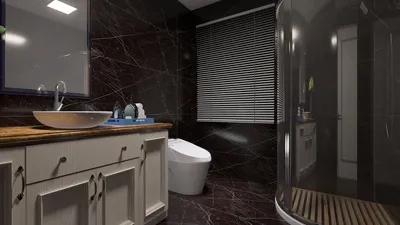


Bathroom fan venting regulations mandate that exhaust air be directed outdoors through a properly installed roof, wall, or soffit vent. Most residential building codes forbid venting into attics, crawlspaces, or wall cavities due to the risk of moisture buildup causing mold, insulation deterioration, or structural decay.
In the United States, these standards usually align with the International Residential Code (IRC) and additional local amendments that specify duct dimensions, outlet locations, and airflow requirements.
Key Points to Remember
Overview
Bathroom fan venting regulations exist to combat moisture damage inside homes. Over years of working on home renovation and interior design projects, I have frequently seen mold issues arise because bathroom fans were improperly vented into attic spaces rather than outside.
Many homeowners mistakenly believe that having a fan is sufficient, but proper ducting and exterior termination are crucial to effectively removing moisture from the home environment.
When designing or remodeling a bathroom, I always evaluate ventilation pathways in parallel with layout planning. Using tools like Homestyler to visualize airflow and layout options before construction starts can help optimize duct routing early in the process.
This article will outline essential bathroom fan venting code requirements, explain their purpose, and highlight common installation mistakes detected during inspections.
Why Venting Codes Exist for Bathroom Fans
Insight: Moisture control is the main reason ventilation codes exist, as trapped humidity is a leading cause of hidden structural problems in residential buildings.
Showers produce large amounts of moist air quickly, releasing significant water vapor into the room. Without adequate exhaust, condensation forms inside walls and ceilings, resulting in damage.
Code standards like the IRC regulate exhaust systems specifically to prevent these moisture-related issues.
Typical problems found when venting is incorrect include mold growth, insulation compromise, and wood rot.
The Environmental Protection Agency and Department of Energy stress that managing moisture is vital for indoor air quality and overall building longevity.
Though ventilation is often concealed in finished spaces, it plays a critical role in maintaining a home's health over time.
Essential Residential Ventilation Code Elements
Insight: Most codes set minimum airflow rates, duct size and material specifications, and rules for external vent placement to ensure bathroom exhaust fans operate effectively.
Though local codes vary, many adhere to guidelines based on the International Residential Code and ASHRAE ventilation standards.
Common requirements include proper duct diameter, insulation, and use of exterior vents that prevent moisture or pest ingress.
ASHRAE Standard 62.2, referenced by many states, defines ventilation benchmarks to promote indoor air quality.
It’s important to recognize that the fan alone is only half of the system; ductwork and termination affect performance significantly.
Why Attic Venting of Bathroom Fans is Prohibited
Insight: Venting bathroom fans into attics traps moisture and violates most building codes.
Despite being a common practice in older homes, attic venting is banned by modern codes due to its adverse effects.
The International Residential Code requires that bathroom exhaust air discharge directly outdoors to prevent moisture accumulation inside building components.
During renovations, I often discover outdated attic venting that must be corrected by adding roof or wall terminations and rerouting ducts.
Proper Exterior Termination for Bathroom Fan Vents
Insight: Exterior vent installations must guard against moisture re-entry, block pest access, and maintain unobstructed airflow.
After the duct reaches the building’s exterior, the design of the vent cap is critical.
Common installation practices include using vent caps with backdraft dampers and sealing connections to prevent air leaks and pest entry.
There are two typical methods for vent termination: roof-mounted and wall-mounted caps.
In complex home layouts, designers often use 3D visualization tools like Homestyler during early planning to ensure duct routes are efficient and don’t interfere with structural elements.
Inspection and Permit Requirements for Bathroom Fan Venting
Insight: Bathroom exhaust venting is routinely checked during mechanical and final inspections to ensure code compliance.
Many homeowners do not realize ventilation systems fall under mechanical code requirements, which can necessitate permits if modifications are performed.
Inspectors typically verify that ducts are properly sized, sealed, and vent outdoors without obstruction.
Incorrect bathroom fan venting is one of the most common issues noted during home assessments, particularly in older properties.
According to International Code Council guidelines, exhaust systems must efficiently remove moisture from the building envelope to meet ventilation standards.
Summary: Proper bathroom fan venting requires sealed ducts that discharge outdoors. Venting into attics is banned due to moisture risks leading to mold and structural damage.
How Experts Ensure Proper Installation
Insight: Experienced contractors strategically plan ventilation routes before installation to minimize bends, condensation risks, and airflow resistance.
Bathroom exhaust systems are integrated into the home's overall airflow strategy rather than treated as stand-alone components.
Best practices include selecting optimal duct routes, using insulated ductwork, and choosing proper termination points.
During remodeling, repositioning walls or ceiling spaces can reduce duct length and improve ventilation efficiency. Tools like Homestyler enable homeowners to experiment with different bathroom layouts to optimize exhaust fan placement and duct routing prior to construction.
Frequently Asked Questions
Do bathroom fans need to vent outside?
Yes. Most building codes require bathroom exhaust fans to vent outdoors through wall, roof, or soffit outlets to remove moisture effectively.
Can bathroom fans vent into attics?
No. Current residential codes prohibit venting into attic spaces due to the potential for moisture buildup and resulting damage.
What duct size is necessary for bathroom exhaust fans?
Typically, 4-inch ducts are used for standard fans, while higher capacity units may require 5- or 6-inch ducts depending on airflow volume (CFM).
Do bathroom fan vents need dampers?
Yes. Exterior vent caps usually include backdraft dampers to prevent cold air infiltration, pests, and moisture from entering the duct system.
Are bathroom ventilation codes uniform across all states?
No. Most states follow the International Residential Code, but some local amendments may modify specific requirements.
What is the minimum airflow recommended for bathroom exhaust?
ASHRAE Standard 62.2 recommends at least 50 cubic feet per minute (CFM) for intermittent bathroom ventilation.
Is a permit required to install a bathroom exhaust fan?
In many areas, permits are required if new ductwork or electrical wiring is installed during the bathroom fan upgrade.
What are the consequences of improper bathroom fan venting?
Incorrect installation can lead to mold growth, damage to insulation, and failed home inspections, compromising indoor air quality and structural integrity.
What began as an Autodesk innovation has evolved into a design platform used by more than 18 million people around the globe. Homestyler combines powerful rendering, an intuitive editor, and a vast furniture library to help you turn inspiration into photorealistic designs — whether you're redesigning a single room or planning an entire home.

Matte Black Square Wall Mounted Rain Shower Head 3D Model

Brass Gold Luxury Ceiling Mounted Handheld Shower Fixture 3D Model
Minimalist Metal Fluted Ceiling Panel 3D Model
Homestyler offers an easy-to-use online design tool with stunning 3D renderings, a vast collection of interior projects, and helpful DIY video tutorials. It's perfect for anyone looking to create and visualize beautiful home designs effortlessly.
Projete agora para LIVRE
































