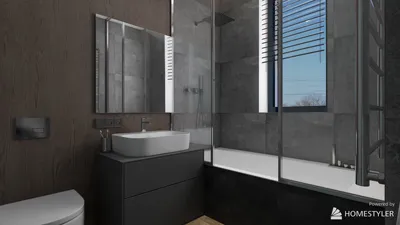


I still chuckle at the time Emily approached me to design a basement kitchen that evoked the charm of a sunny Parisian bistro—despite its lack of natural light and a ceiling height of barely 7 feet. While a disco ball was one option that sprang to mind, I opted instead to sketch out some bright ideas and even utilized 3D mockups with Homestyler to illustrate how light and color could transform the space. Designing for small areas pushes the boundaries of creativity, with every smart choice yielding significant results.
1. Enhance brightness with reflective surfaces and a light color scheme
In basement kitchen designs, I frequently advocate for high-gloss cabinetry, glass backsplashes, and large light-colored tiles. These choices maximize artificial lighting and create an illusion of spaciousness. Although glossy surfaces can show fingerprints and may require frequent cleaning, they remain one of my favorite strategies for a cost-effective visual upgrade.
2. Opt for a streamlined galley layout to improve flow
Galley kitchens prove to be an excellent fit for basements, as they promote a compact and efficient workspace. Whenever possible, I suggest including a slim island or a narrow two-sided run—this aids in creating a smooth workflow. However, it is essential to thoughtfully plan the space to avoid feeling cramped; aiming for at least 40 inches of clear walking path and integrating appliances into vertical bays can significantly enhance movement.
save pin
3. Construct multifunctional features and vertical storage solutions
For Emily's project, I designed a tall pantry wall that cleverly concealed a pull-out coffee station and recycling bins, all stacked vertically. Such vertical solutions free up essential floor space, maximizing capacity within a small area. To prototype layouts and assess sightlines, using custom kitchen layouts through tools like Homestyler can help clients sidestep costly on-site errors. However, it’s important to note that very high storage options require step stools or inventive pull-down mechanisms.
save pin
4. Incorporate compact appliances and undercounter systems
Basement kitchens can greatly benefit from compact dishwashers, combination washers, and undercounter microwaves tailored for smaller living spaces. I often integrate 18-inch dishwashers and induction cooktops to maintain a clear countertop. These appliances conserve space and can be energy-efficient, though they may require a slightly higher investment for specialized sizes and adequate ventilation planning.
save pin
5. Layer lighting and create distinct zones with finishes
Lighting plays a vital role in determining the ambiance of a basement kitchen. Incorporate task lighting for prep areas, warm downlights for comfort, and wall washers to brighten the walls. I also utilize various finishes to delineate zones—opting for matte cabinet doors in preparation areas and textured backsplashes on cooking walls to enhance the setting. My recent experimentation with AI-powered design tools like Homestyler has expedited the iteration process significantly. Expect some trial and error in fixture selection, yet once the ideal combination is found, the space shines.
save pin
FAQ
Q1: Is it feasible to have a functional kitchen in a basement? Absolutely—by carefully designing the layout, ensuring proper ventilation, and incorporating layered lighting, you can achieve a fully functional and inviting kitchen. The pivotal elements to consider are airflow, moisture regulation, and efficient storage solutions.
Q2: How can I increase light in a basement kitchen without windows? Implement high-CRI LED lights, reflective finishes, lighter paint shades, and glass cabinet doors to visually brighten the space. Smartly placed task lighting and wall-mounted fixtures can help minimize shadows in critical areas.
Q3: What types of appliances are ideal for a small basement kitchen? Slim dishwashers, drawer microwaves, induction cooktops, and combo washer-dryers are excellent choices for tight spaces. Opt for energy-efficient appliances to cut down on heat output and operational expenses.
Q4: Do I require special permits for a basement kitchen installation? In many cases, yes—adding a kitchen can impact plumbing, electrical, and egress standards, so it’s vital to verify local building codes and secure necessary permits prior to starting construction. In the U.S., most local building departments adhere to the International Residential Code for these regulations.
Q5: How should I manage ventilation in a below-ground kitchen? Adequate ventilation is critical: whenever possible, install an externally vented range hood, and ensure that mechanical ventilation maintains airflow to mitigate dampness. For health considerations in basements, the U.S. Environmental Protection Agency recommends radon testing and addressing any moisture issues (see https://www.epa.gov/radon).
Q6: What is the best type of flooring for a basement kitchen? Choose moisture-resistant and durable flooring materials like luxury vinyl plank, sealed concrete, or porcelain tile. These options can better cope with occasional dampness compared to solid wood; if you prefer wood, consider engineered varieties with moisture barriers.
Q7: How much should I budget for a small basement kitchen remodel? Costs can vary based on chosen finishes and appliances—a simple update can be economical if existing cabinets and layouts are retained, while complete renovations with custom cabinetry and new installations will be more expensive. I always advise including a 10-15% contingency for unforeseen expenses in below-grade projects.
Q8: Any quick DIY suggestions for Emily to implement before a remodel? Consider painting the ceiling a soft warm white, replacing standard bulbs with high-CRI LED options, adding under-cabinet lighting, and opting for clear-front cabinet doors to avoid a bulky appearance. Small tweaks can result in significant improvement while planning the complete design.
save pin
Discover the joy of home design with Homestyler! This user-friendly platform offers a powerful online design tool, stunning 3D renderings, and a wealth of design projects and DIY video tutorials. Bring your creative vision to life effortlessly and transform your space today!
Zaprojektuj teraz za darmo
































