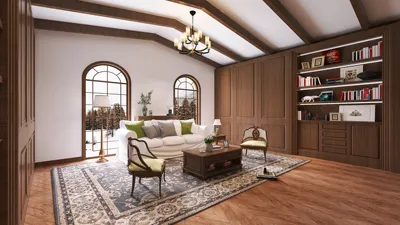


Designing an exquisite banquet hall that exudes elegance requires careful consideration beyond just decorative elements like chandeliers or high ceilings. It’s essential to focus on how guests will navigate the space, ensuring clear sightlines, effective acoustic management, and versatile layouts that accommodate both weddings for 350 guests and corporate events hosting up to 800 attendees. A strategic plan can significantly enhance guest experiences and drive revenue. Research from Gensler reveals that spaces deliberately designed to reflect user behavior lead to improved perceived quality and engagement. In terms of lighting, the Illuminating Engineering Society (IES) suggests maintaining an ambient level of 200–300 lux in dining areas along with layered accent lighting to avoid excessive brightness and glare during meals. Incorporating tools like Homestyler can assist in visualizing and planning these layouts effectively.
The overall comfort of guests directly influences the success of any event. According to Steelcase’s workplace studies, environments that prioritize ergonomic posture and sensory comfort enhance satisfaction and diminish fatigue. This concept translates beautifully to banquet seating and service flow. The WELL v2 standard highlights the significance of managing glare, optimizing color rendering, and ensuring acoustic effectiveness as vital components of human comfort. A Color Rendering Index (CRI) above 90 is critical for ensuring that food and skin tones appear accurately, supported by reverberation targets that minimize disruption during conversations. Early integration of these standards can greatly inform lighting specifications and material choices to enhance the space’s efficacy.
Spatial Management: Capacity, Flow, and Flexibility
I begin the design process by categorizing capacity into bands: 250–400, 400–600, and 600–900 guests. Each category influences critical factors such as exit widths, the distance from the kitchen to dining areas, and service corridors. Maintaining uninterrupted sightlines across 25–35 meters is essential to ensure visibility of the stage for all guests, even in banquet-style seating. To accommodate various layouts, such as transforming from a gala setup to a cocktail reception or classroom style, I depend on modular zones and defined service pathways. To visualize and validate seating arrangements, utilizing a layout simulation tool, like those found in Homestyler, allows for testing the effectiveness of aisles and proximity to the stage while adhering to fire code requirements.
Lighting Techniques: Creating Ambiance Without Glare
A comprehensive lighting design that includes ambient, accent, decorative, and stage lighting is essential. According to IES recommendations, ambient lighting should range between 200–300 lux, while providing smooth dimming curves from full brightness down to 10% without any noticeable shifts in color. Accent lighting should aim for 300–500 lux to emphasize dining tables, floral displays, and buffet setups through narrow-beam optics that minimize light spill. While decorative fixtures contribute to the venue's identity, it’s important to keep their output moderate and use warm white lighting (2700–3000K) during evening events to enhance skin tones. For stage lighting, tunable white settings in the range of 3000–4000K with a high CRI (>90) are advisable for clarity on camera. Managing glare involves strategic placement of lighting, ensuring fixtures are aimed properly and located outside of normal sightlines, particularly for head tables.
Acoustic Design and Sound Quality
Banquet halls can quickly become echoey spaces if not designed with sound control in mind. I target reverberation times between 0.8 and 1.2 seconds in large areas, balancing clarity with depth in sound. To address this, I install acoustic panels behind fabric walls, utilize perforated wooden ceilings backed with mineral wool, and incorporate plush carpeting to absorb sound reflections. Opting for a distributed audio system instead of relying on loud mains speakers enhances conversational clarity. When speeches are a focus, I position line arrays that feature tight vertical dispersion and treat the sidewalls near the stage to enhance sound quality. Keeping HVAC systems quiet (NC 25–30) is essential for maintaining a low noise level.
Psychology of Color and Material Choices
Color plays a significant role in setting the mood and conveying luxury within a space. Warm neutral tones coupled with muted jewel tones create a sophisticated atmosphere without overwhelming the décor. Insights from Verywell Mind suggest that warmer colors can foster sociability and a sense of intimacy, while cooler tones offer a calming effect—beneficial when balancing reception with program segments. Materials selected should be both durable and easy to maintain, incorporating high-abrasion upholstery, stain-resistant carpet tiles, and wipeable wall coverings. In pursuit of sustainable practices, I prioritize FSC-certified woods, low-VOC finishes, and energy-efficient LED fixtures with interchangeable components to prolong their lifespan.
Seating Ergonomics and Comfort
Chairs significantly impact the overall event experience. Optimal seat height should range from 450 to 470 mm, with lumbar-supporting backrests and sufficient cushion density to mitigate fatigue during extended meals. Adequate table clearance of 710–730 mm accommodates various body types comfortably. I establish main aisles measuring 1,800–2,000 mm for service ease, with secondary aisles about 1,200 mm wide. Research from Steelcase into movement and posture emphasizes minimizing static strain; therefore, providing guests with seating that allows for slight shifts and unobstructed pathways for servers is vital.
Stage Placement, AV Setup, and Sightlines
For optimal viewing, I position the stage along the longest axis of the room to maintain shallow sightlines. The front row should be located at a distance of 1.5 times the stage height, and the stage itself should be elevated between 600 to 900 mm, depending on the room's depth. Utilizing dual screens with a 16:9 aspect ratio ensures clear visibility from at least 85% of the seats. I advocate for lighting that is camera-friendly, utilizing soft key lighting to avoid harsh hotspots. Effective cable management beneath removable flooring eliminates tripping hazards along circulation paths, while strategically placed power outlets around the venue reduce the need for extension cords.
Service Core: Kitchen, Bar, and Back-of-House
A well-functioning banquet hall efficiently conceals its operational mechanisms. The distance between the kitchen and dining area should be minimal, with streamlined delivery pathways. I plan specific areas for plating service and clear lanes to reduce congestion. Bars should be located near, but not at, entry points—ensuring immediate service while avoiding bottlenecks. It's imperative that back-of-house routes connect storage, AV capabilities, and catering zones without intersecting with guest areas. When floor plans change, an interior layout planning tool such as Homestyler can help visualize modifications across various event formats.
Lighting Management and Mood Shifts
Banquet environments rarely remain static. I program various lighting scenes for different phases of the event, including prefunction, seating, dining, speeches, and dancing, each adjusting lux levels and color temperatures to fit the ambiance. Localized control mechanisms at the technical booth and secured wall stations enable staff to make adjustments without disrupting ongoing events. Implementing DALI or 0–10V systems with clearly marked zones facilitates intuitive modifications.
Entrances, Prefunction Areas, and Wayfinding
Grand entrances benefit from proportionate design, such as double-height lobbies or mirrored surfaces that enhance scale. Generous prefunction spaces (1.2–1.4 m² per guest for cocktail settings) filled with varied high-top tables help prevent overcrowding. Simplified wayfinding through the use of contrasting finishes and lighting effectively guides guests. Adhering to ADA regulations by placing accessible routes centrally conveys a thoughtful design approach.
2024–2025 Trends Influencing Banquet Halls
Emerging trends include adaptive lighting setups for photo and video, the incorporation of biophilic elements like preserved moss walls, and flexible seating arrangements that switch between rounds and long tables. There is a growing demand for sustainable materials and hybrid AV systems in live-streaming contexts. Additionally, I observe a trend towards softer acoustics, using textural ceilings and integrated drapery to create intimacy within expansive spaces.
Common Pitfalls and My Preventative Strategies
Common errors include overly bright decorative lighting that produces glare, insufficient aisle widths hindering service efficiency, and poorly positioned stages that divide the venue. I counteract these issues through careful early modeling, validating layout designs against IES recommendations, and conducting preparatory path-of-travel drills with staff before events commence.
Frequently Asked Questions
For round table arrangements, allocate approximately 1.0–1.2 m² per guest, including necessary aisles and service routes. For cocktail receptions, aim for a space of 1.2–1.4 m² per guest for comfortable movement.
Adhering to IES guidelines, strive for ambient lighting levels of 200–300 lux, supplemented by dimmable settings that soften lights during speeches or dancing. Accent lighting at 300–500 lux should focus on highlighting centerpieces and buffet areas.
Target reverberation times of 0.8 to 1.2 seconds through a combination of acoustic treatments such as ceiling installations, wall panels, and carpeting. A balanced audio distribution system will effectively reduce echo-related issues that can arise from high sound pressure levels.
Maintain a seat height of roughly 450–470 mm, utilizing supportive backs and sufficient cushion density, with rounded fronts to ease pressure points and minimize tiredness.
Position the stage along the longest axis, elevate between 600 to 900 mm, and ensure the first row is seated at a distance of 1.5 times the stage height. Dual screens should be utilized to ensure at least 85% of attendees have unobstructed views of presentations.
For ambient and decorative lighting, utilize a range of 2700–3000K to enhance skin tones; on stage, employ tunable settings between 3000–4000K for optimal video capture with CRI ratings exceeding 90.
Establish main aisles measuring 1,800–2,000 mm and secondary aisles approximately 1,200 mm wide to facilitate efficient service delivery while minimizing guest disturbances.
Incorporate adaptable modular zones, clearly defined service pathways, and configurable seating options. A tool like Homestyler can assist in testing various configurations for banquets, cocktails, and classroom layouts prior to implementation.
Select materials such as FSC-certified woods, low-VOC finishes, durable textiles, and LED lighting systems with replaceable components. Remember that luxury is derived from craftsmanship and texture rather than solely from energy output.
Maintain a noise criteria level of NC 25–30, ensure even audio distribution through strategically placed speakers, and address reflections near the stage with sound-absorptive surfaces.
Round tables facilitate inclusive discussions and seamless service, while elongated banquettes provide a dramatic flair and clear sightlines for events reminiscent of runway shows. Design should accommodate both options and pivot as needed based on the program requirements.
Implement dimmable drivers, select decorative fixtures with lower outputs, utilize shielded optics, ensure proper aiming angles, and position fixtures outside of common sightlines to prevent glare and enhance guest comfort.


Homestyler is your go-to online platform for home design. With its user-friendly design tool, stunning 3D renderings, and an array of DIY video tutorials, you can easily transform your space and explore creative design projects—all at your fingertips!
立即免费设计
































