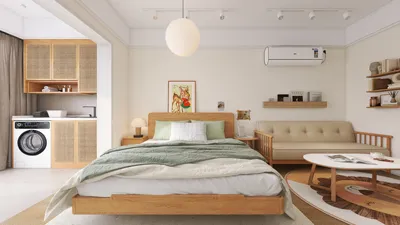


Having organized numerous weddings throughout Bengaluru—from lavish receptions in bustling business districts to cozy ceremonies in serene suburban areas—an ongoing challenge emerges each season: how to harmonize budget, capacity, and guest satisfaction while maintaining a smooth event flow. This comprehensive guide highlights effective strategies for Bangalore's wedding venues, explores how various pricing packages correlate with service quality and infrastructure, and identifies layout choices that genuinely enhance the occasion.
Budget typically serves as the foremost consideration. Recent trends reveal that weekday venue packages in Bangalore usually begin at around ₹70,000 to ₹1,20,000 for smaller spaces accommodating fewer than 300 guests. For mid-size venues hosting 400 to 700 guests, weekend rates generally fall between ₹1,80,000 and ₹3,50,000. Premium venues, capable of accommodating 800 to 1,200 guests and providing elaborate in-house décor and lighting, can range from ₹4,50,000 to ₹9,00,000 depending on the season and package inclusions. To ensure quality is maintained, I evaluate guest comfort in line with the WELL Building Standard recommendations on lighting and acoustics, coupled with acoustic behaviors influenced by crowd density, as noted in workplace research by Steelcase. Ultimately, venues that prioritize sophisticated lighting and sound-control features tend to achieve notably higher guest satisfaction and fewer sound clarity complaints.
Navigating Venue Pricing in Bangalore
The basic rental fee for a hall typically includes the venue itself (the space, basic seating, and stage setup). Additional costs may arise from various offerings like décor packages, advanced lighting arrangements, sound systems, catering services, valet parking, and private rooms for the couple and their family. In assessing costs for Bangalore, I've identified significant factors: location (central vs. outer ring), peak wedding seasons (November to February, April to May), venue capacity, and whether the space requires in-house catering. Notably, catering expenses can range from ₹900 to ₹2,500 per plate for vegetarian dishes, and ₹1,200 to ₹3,200 for non-vegetarian options, with premium live food stations potentially increasing total costs. For events expecting 600 guests, catering expenses can surpass hall rental fees, so it is advisable to negotiate bundled packages as early as possible.
Understanding Capacity Categories and Associated Costs
• Up to 250 guests (intimate venues): ₹70,000–₹1,50,000 (weekday), ₹1,20,000–₹2,00,000 (weekend). Ideal for pre-wedding events like sangeet, haldi, or engagements.
• 250–500 guests (mid-size spaces): ₹1,50,000–₹3,00,000 (weekday), ₹2,00,000–₹4,00,000 (weekend). Suitable for combined ceremony and reception events.
• 500–800 guests (large venues): ₹3,00,000–₹5,50,000 (weekday), ₹4,00,000–₹7,00,000 (weekend). Perfect for multi-event celebrations.
• 800–1,200+ guests (grand spaces): ₹4,50,000–₹9,00,000+. Excellent for events needing extensive décor, multiple performance stages, and expansive buffet setups.
These capacity categories reflect insights from recent bookings and vendor estimates I’ve collected across various regions of Bengaluru. Always request a capacity map that details seating versus standing options, as a venue claiming to accommodate 800 guests might only comfortably seat 550 when accounting for buffet arrangements and staging.
Planning Event Layouts: Prioritizing Flow Over Décor
A seamless circulation strategy minimizes crowding and delays during ceremonies. My approach begins with establishing a sightline for the mandap or stage, then strategically placing the buffet, photo backdrop, and dance area. For efficient testing of various seating arrangements, utilizing a room layout tool can visualize guest movement, aisle widths, and serving areas prior to finalizing rentals. For gatherings exceeding 600 guests, maintain main aisles with a minimum width of 1.8 to 2.4 meters, and create a buffer zone of 3 to 4 meters around the mandap for photographers and ritual functions.
Lighting That Enhances Rituals and Guest Appearance
Bangalore's venues feature a broad range of lighting setups. To present faces authentically on camera, aim for 2700 to 3500K warm-white in ceremonial areas, while 3500 to 4000K neutral-white works well in buffet and signage spaces. The WELL v2 Light concept emphasizes the importance of balanced lighting with glare control, a crucial factor for prolonged events. I recommend against using single-point floodlighting at the mandap; instead, employ diffused key lights complemented by side fills to reduce harsh shadowing on attire. For sangeet functions, combine ambient LED wash lighting with a controlled spotlight grid, reserving bright beams solely for actual performances.
Acoustics: Ensuring Clear Vows and Distinct Music
Venues with high ceilings and reflective marble surfaces can increase noise levels. To combat this, incorporate soft finishes such as drapery, carpets, and acoustic panels to absorb mid to high frequencies. According to Steelcase research on open space acoustics, sound control is directly correlated with guest satisfaction; hence, I recommend isolating the DJ speakers from the dining area and adding felt baffles behind the stage. During speeches, ensure the use of cardioid microphones and conduct sound checks targeting 70 to 75 dB within seating zones, keeping dance floor sound levels between 88 to 95 dB at maximum to prevent fatigue.
Utilizing Color Psychology for Ceremonies
Warmer hues like saffron, gold, and terracotta foster a celebratory atmosphere, whereas cooler tones such as teal and sage can alleviate heat and provide calmness in dining or waiting zones. If families prefer traditional reds, consider balancing them with off-whites and subtle metallics to ensure clear photographs. Implementing color zoning can assist guests in navigating the venue: deploying warmer shades near the stage, neutral colors for service pathways, and cooler tones in lounge areas to signify relaxation.
Sustainable Materials and Their Importance
High-end halls in Bangalore are increasingly incorporating reusable décor structures and LED lighting systems. Inquire about FSC-certified wooden mandap components and modular fabric panels. Opt for linens designed for high wash durability and avoid glittering materials that tend to shed. Replacing shiny marble runners with textured carpeting not only decreases slipping hazards but also minimizes reflected light while enhancing acoustic quality.
Negotiable Pricing Factors
• Booking during off-peak periods: Monday to Thursday reservations or less busy months (June to September) may reduce hall rates by 10 to 25%.
• Time slot flexibility: Half-day packages (4 to 6 hours) are often more affordable than full-day rentals.
• Vendor options: If the venue permits external decorators or AV providers, comparing these quotes can lead to savings ranging from ₹40,000 to ₹1,20,000 for mid-sized events.
• Combining services: By bundling décor, audio-visual elements, and baseline lighting, you can eliminate duplicated labor costs.
• Payment arrangements: Providing an early deposit can unlock additional perks like extra green rooms or rehearsal time.
Guest Comfort Essentials: Seating, Aisles, and Amenities
To ensure comfort, seating density should not exceed 1.0 to 1.2 square meters per banquet chair. Maintain clear and well-lit evacuation routes with at least two emergency exits unobstructed. Designate areas for prasad or return gifts away from the buffet to avoid congestion. Provide accessible water stations for every 100 guests and shaded resting spots for elderly attendees. For the warmer afternoons in Bangalore, ensure air-conditioning maintains a temperature range of 22 to 25°C with steady airflow to mitigate hot spots near the stage.
Example Budget Scenarios
• Compact ceremony (200–250 attendees): Hall rental ₹1,10,000 (weekend), décor & AV costs between ₹80,000 and ₹1,50,000, catering charges ranging from ₹2,40,000 to ₹6,00,000 (₹1,200 to ₹3,000 per plate). Total expected range: ₹4,30,000 to ₹8,60,000.
• Mid-size wedding (450–600 guests): Venue fees ₹2,40,000–₹3,80,000, décor & AV ranging from ₹1,50,000 to ₹2,80,000, catering costs of ₹5,40,000 to ₹18,00,000. Overall range: ₹9,30,000 to ₹24,60,000.
• Grand reception (900–1,100 guests): Hall charges of ₹5,00,000 to ₹8,50,000, décor & AV expenditures between ₹3,00,000 and ₹5,50,000, catering total range of ₹10,80,000 to ₹33,00,000. Overall budget range: ₹18,80,000 to ₹47,00,000.
These financial brackets represent average estimates I've gathered over the last year from various service providers in Bangalore; always verify individual line items and the quality of service provided.
Pre-Booking Checklist
• Request for a capacity map detailing final seating and buffet layouts (asking for CAD or a digital plan; a swift check using an interior layout visualization tool can help avoid surprises).
• Lighting specifications: inquire about color temperature settings, dimming controls, and glare minimization techniques.
• Sound arrangements: types of microphones required, speaker placement strategies, and rehearsal schedules.
• Vendor guidelines: check for in-house catering requirements, corkage fees for bringing in external food providers.
• Backup power sources and air-conditioning specifications for comprehensive load management.
• Parking logistics and valet service timing considerations.
• Privacy for green rooms and accessibility for storage areas.
• Contract details: setup duration, teardown timelines, and damage liability clauses.
Frequently Asked Questions
Q1: What can I expect to pay for a mid-sized wedding venue in Bangalore?
For a mid-size venue accommodating 400 to 600 guests, the rental cost generally resides between ₹1,80,000 and ₹3,50,000 on weekends. Including additional services for décor and audio-visual elements can raise the overall venue cost to approximately ₹3,50,000 to ₹6,00,000 before catering expenses.
Q2: How do I determine the correct capacity for my event?
Calculate expected attendance and then increase that number by 10 to 15% to account for late RSVPs. Always verify the seated capacity since a venue marketed for 700 guests may only comfortably accommodate 550 when service areas are taken into consideration.
Q3: What lighting specifications should I request for my wedding?
Inquire about utilizing 2700 to 3500K warm-white for areas around the mandap, while opting for 3500 to 4000K neutral-white in dining and transit spaces. Request dimming options and diffused light fixtures for optimal glare reduction. Referring to WELL v2 Light guidelines can enhance discussions.
Q4: How can I effectively manage noise levels during the ceremony?
Utilize soft materials such as carpets and drapes, ensure separation of DJ equipment from dining areas, and aim to keep dance floor sound levels within 90 dB maximum. Conduct sound checks utilizing cardioid microphones to ensure clarity for vows and speeches.
Q5: Is it beneficial to book on weekdays?
Absolutely. Many Bangalore venues offer discounts ranging from 10 to 25% for Monday to Thursday bookings, with the added advantage of more favorable vendor availability and extended setup durations.
Q6: Should I comply with in-house catering policies?
While in-house catering may simplify certain logistics, it might also limit price flexibility. If external catering is allowed, comparing quotes can reveal significant savings or menu customization opportunities, which can be particularly beneficial for events exceeding 500 guests.
Q7: What space allocation per chair is recommended for comfort?
It's advisable to allow for 1.0 to 1.2 square meters per banquet chair, with main aisles needing to be at least 1.8 to 2.4 meters wide for crowds larger than 600 attendees.
Q8: Which decoration elements provide maximum value?
Prioritize layered lighting, an appropriately scaled mandap, unobtrusive aisle runners, along with a standout backdrop to create meaningful visual impact rather than scattering multiple props across the area. Emphasize glare control and cohesive color schemes.
Q9: How should I plan the buffet layout?
Position buffets away from the stage, implementing two parallel serving lines for events exceeding 400 guests, and establish a separate dessert area to mitigate crowding. Maintain a clearance of 2.0 to 2.4 meters behind serving locations.
Q10: What steps should I take to verify the layout before finalizing my decision?
Request the venue’s layout and run through seating, aisle, and buffet simulations using a room design visualization tool to ensure both families can agree on traffic flow and sight lines.


coffee table
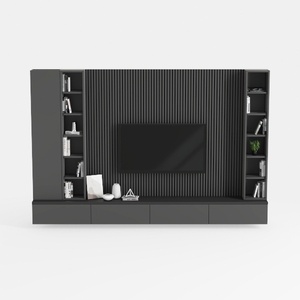
Modern Minimalist Black Solid Wood TV Wall Cabinet With Storage Shelves 3D Model
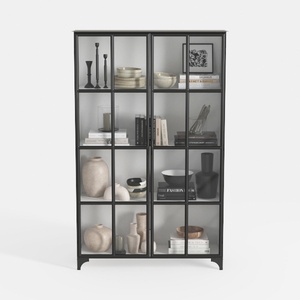
Triple Wide 5-Tier Bookshelf, 70.87" L x 79.13" H
Discover Homestyler, the ultimate online platform for all your home design needs. With its user-friendly design tools, stunning 3D renderings, extensive design projects, and helpful DIY video tutorials, it's never been easier to transform your space and unleash your creativity. Start designing today!
Design Now for FREE
































