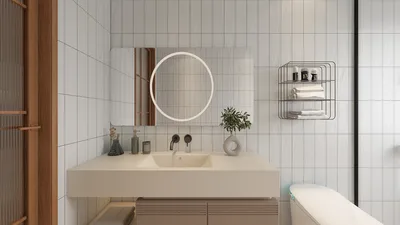


When decorating a bachelor room, I strive for a harmonious blend of functionality, minimalism, and individual flair—designing spaces that are visually striking while remaining practical for everyday life. A contemporary bachelor apartment should cater to your lifestyle needs: where you work, relax, entertain friends, and recharge. The essentials begin with a well-defined layout, appropriate lighting, and a coordinated selection of materials that age beautifully over time.
Effective design choices should always be data-driven. According to WELL v2 guidelines, optimal ambient light levels should range from 150 to 300 lux in communal areas and reach up to 500 lux for surfaces dedicated to tasks, while controlling glare to minimize eye strain (WELL v2; IES task lighting guidelines). Research by Gensler in their U.S. Workplace Survey discovered that environments encouraging both focus and collaboration can enhance productivity; applying this understanding at home means designing specific areas for concentration and social interaction without compromising comfort. These strategies ensure bachelor spaces are both functional and enjoyable—not simply aesthetically pleasing.
Human behavior plays a pivotal role in design. Steelcase research indicates that having control over your surroundings—such as lighting, seating posture, and acoustic privacy—can significantly enhance wellbeing and efficiency. In the context of a bachelor space, this means incorporating features like adjustable lights, versatile seating options, and sound-absorbing partitions. Through various projects, I have discovered that small ergonomic adjustments can often yield better results than drastic style overhauls: the right chair height, optimal monitor distance, or a soothing rug can profoundly affect your experience within the space.
Establish the Vision: Minimal Yet Inviting
Bachelor room decor should feel warm rather than sterile. I combine minimalist designs with rich textures—think matte black fixtures paired with warm walnut and cozy wool materials. The formula is straightforward: limit bold statements, allowing open spaces to breathe while featuring one dominant visual anchor (be it a striking lamp, a large piece of artwork, or a sleek media console). Use color sparingly but purposefully; a subdued base color accompanied by one vibrant accent (like deep teal, rusty tones, or oxblood) provides clarity and ambiance without overwhelming the senses.
Organize Smart Zones
Create articulated micro-zones for sleeping, working, and lounging. In compact studios, a low open shelf can serve as a transparent barrier that doesn’t obstruct light. Maintain clear pathways: aim for at least 30-36 inches of unobstructed space. If you’re experimenting with layouts, consider using a room layout simulation tool like Homestyler to visualize bed positioning, desk arrangement, and seating flow before committing to any changes.
Lighting Layers: Creating Ambiance and Precision
I implement lighting through three important layers: ambient, task, and accent. Ambient lighting should hover around 200-300 lux for daily comfort; using wide-spread ceiling fixtures or two strategically placed floor lamps with diffusers can achieve this. Task lighting at your desk should target approximately 500 lux using adjustable lamps, with a color temperature between 3000K to 4000K to provide adequate focus without being harsh on the eyes. Accent lighting—including picture lamps, subtle uplights behind plants, or LED shelves—adds dimension and reduces stark contrasts. Dimmer switches are essential, and using glare-reducing elements like matte shades keeps your eyes comfortable during extended periods of use.
To maintain high standards and healthful lighting conditions, I refer to WELL v2 and IES guidelines, which consistently advocate for user-friendly and comfortable home environments.
Color Psychology: Establishing Atmosphere
Color influences mood and behavior. Neutral bases (like greige, charcoal, and bone) create a sense of order and enhance the materials used. Vivid accents can alter energy levels: deep blue fosters a sense of calm and stability; soft greens hint at rejuvenation and a biophilic essence; burnt orange brings sociability and warmth. I limit accent hues to about 10-15% of the visible spectrum to retain a restful environment. For those unsure about committing to color, consider integrating it through movable items—like throws, art, and cushions—allowing the palette to evolve without the need for a complete repaint.
Material Selection: Authentic and Long-lasting
Choose materials that emphasize tactile quality. Opt for solid wood or resilient laminates for surfaces, wool or rich synthetic blends for rugs, and leather or durable fabrics for seating. Incorporating matte black or gunmetal hardware provides a polished look, while linen or cotton window treatments balance light with privacy. Whenever feasible, prioritize low-VOC finishes and sustainably sourced materials to enhance indoor air quality and durability.
Ergonomics: Comfort Meets Aesthetic Appeal
Your desk chair should promote a neutral spine posture: with adjustable heights (ranging from 17-20 inches), lumbar support, and armrests that relax the shoulders. Ensure that the top of the monitor aligns with or is slightly beneath eye level, maintaining a distance of 20-28 inches depending on screen size. If your bed serves also as a lounge area, consider adding a supportive bolster and a side table at 22-24 inches high to conveniently hold beverages. These minor ergonomic adjustments can minimize fatigue while maintaining the visual integrity of the room.
Acoustic Considerations: Enhancing Serenity
While hard surfaces offer a polished look, they can amplify sound. To tackle this, I incorporate a thick rug, soft fabric curtains, and upholstered seating to mitigate mid- to high-frequency noise. Bookshelves with varying depths can act as incidental sound diffusers. For entertaining, position seating away from parallel walls to diminish echo; consider using a fabric panel or a substantial canvas to soften sound reflections without the need for overt soundproofing solutions.
Furniture Strategy: Proportions, Versatility, and Balance
Opt for fewer, high-quality pieces—a standout sofa or chair, a sleek bed frame, and a practical desk. Keeping furniture legs exposed helps maintain a sense of lightness. In smaller spaces, consider wall-mounted desks or drop-leaf tables to create flexible options. Establish visual harmony by consistently applying a particular finish (like black metal) across elements like lighting, hardware, and furniture legs; this promotes cohesion without seeming forced.
Discreet Storage Solutions
Excess clutter disrupts the modern aesthetic. Favor closed storage for larger items and open shelves for curated displays. I prefer a low credenza beneath a wall-mounted TV to conceal cables and devices, paired with a single tray for remote controls and accessories. In wardrobes, uniform hangers and drawer organizers create a visually appealing and intentional look, making even basic storage feel purposeful.
Art and Personal Touches
Choose bold, singular pieces of art—an oversized canvas is more effective than a crowded gallery wall in small spaces. Black-and-white photography or striking abstracts work elegantly with subdued color schemes. Integrate personal artifacts with discipline: a designated shelf for travel keepsakes, a framed record cover, or a striking sculpture on a console. The space should reflect your identity without overwhelming it.
Incorporating Nature and Texture
Plants introduce vitality and soften sharp lines. A statement plant in a matte ceramic pot can anchor a corner; smaller plants near your desk enhance visual appeal. Pair greenery with natural textures—such as raw wood, stone trays, and linen throws—keeping the space feeling grounded.
Tech Integration
Hide excess technology: utilize cable management solutions, routed desktops, and ventilated cabinets for media devices. Your smart speakers and dimmable lights should be easy to control. For gaming or streaming setups, ensure proper ventilation in cabinets and that remotes can be easily accessed. Use a small docking station to keep chargers organized—technology should complement the aesthetic rather than dominate it.
Layout Considerations
For a 12x14 ft room, position the bed on the shorter wall to maintain center space, place a compact chair by the window, and set a slim desk opposite the bed. Ensure there's a 36-inch clearance along main pathways. In studio apartments, use a rug to define your lounge area and angle the bed away from direct lines of sight to the entrance. If you want to quickly experiment with room arrangements and sightlines, consider trying an interior layout planner like Homestyler to visualize scales and circulation effectively.
Styling Essentials
Authoritative Resources
For authoritative guidance on lighting quality and health standards, refer to WELL v2 (v2.wellcertified.com) and IES lighting recommendations (ies.org/standards). To explore workplace behaviors and environmental controls—which I utilize in home spaces—resources from Steelcase and Gensler provide valuable insights on creating adaptable living environments.
FAQ
Aim for ambient lighting levels between 200 and 300 lux, with task lighting approaching 500 lux. Set color temperatures at 3000K to 4000K for optimal focus without harshness, and employ dimmers to adjust lighting across different times of the day.
Start with neutral tones (charcoal, bone, greige) and introduce one bold accent such as deep blue or rust. Limit accent colors to about 10-15% of the overall palette to maintain a tranquil atmosphere.
Utilize open shelving, rugs, and strategic lighting changes to delineate areas for sleeping, working, and lounging. Experiment with layout configurations using a room design visualization tool to optimize flow and visual accessibility.
Opt for durable materials: solid wood or high-quality laminates for surfaces, wool-blend rugs, and either leather or performance fabrics for seating; pair with matte metal for hardware. Prioritize low-VOC finishes to enhance indoor air quality.
Incorporate diffusers, indirect bounce lighting, and matte finishes on shades to prevent reflections. Position task lights at angles that mitigate direct glare into your eyes.
Maintain a seat height around 17-20 inches, ensure monitors are at or slightly below eye level, with a distance of 20-28 inches, and position forearms parallel to the floor. Adjust armrests accordingly to keep shoulders relaxed.
Layer a plush rug, heavy fabric curtains, and cushioned seating. Position seating away from parallel walls, utilizing larger artworks or bookshelves to diffuse sound reflections.
Choose high-quality, select pieces: a streamlined bed, compact desk, and an eye-catching lounge chair. Prioritize furniture with visible legs for an airy effect and use a consistent finish for design cohesion.
Utilize cable management solutions, ventilated cabinets, and desktop grommets. Keep chargers organized in a docking station and manage power through a single surge protector to streamline tech setup.
Yes. A single tall plant can establish a focal point in a corner and soften sharp lines; choosing low-maintenance plants near your workspace adds tranquility. Complement greenery with natural textures to create a grounded atmosphere.
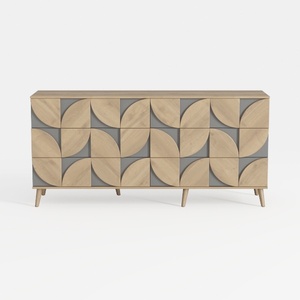
Modern Geometric Pattern Solid Wood Sideboard Cabinet 3D Model
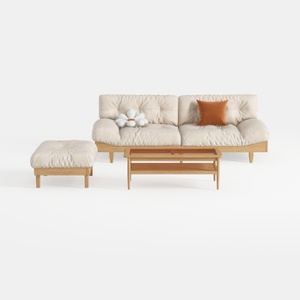
Minimalist Solid Wood Fabric Sofa Ottoman Coffee Table Set 3D Model

HOMCOM L-Shaped Home Offie Computer Desk with Stor
Homestyler is your go-to online platform for transforming home design dreams into reality. With its user-friendly design tool, vibrant 3D renderings, inspiring design projects, and helpful video tutorials, you can effortlessly create, visualize, and perfect your home spaces—all from the comfort of your own home!
تصميم الآن مجانا
































