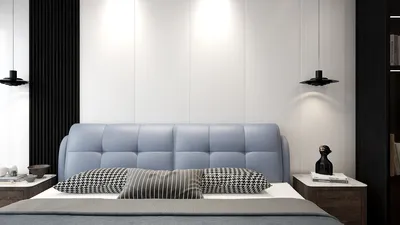


Once, a client requested that I transform their compact 9x9 foot parlor to reflect an "authentically Victorian" style while ensuring it remained bright enough for her cat to enjoy a sunny spot in the window—challenge accepted! Through sketching and sampling, I discovered that a historically inspired color palette can have a contemporary feel if chosen with the right saturation and finish. For those who appreciate period charm but have concerns about scale, it’s essential to remember that even small spaces can spark grand ideas. To visualize this, I frequently refer my clients to historic room inspirations when experimenting with color palettes.
1. Victorian Jewel Tones: Deep, Dramatic, and Luxurious
I have a penchant for rich jewel tones such as oxblood reds, peacock blues, and bottle greens—ideal for rooms with elevated ceilings or intricate millwork. These shades create a dramatic effect and help conceal wall imperfections, though they can appear heavy in dim areas. To counterbalance this, I often recommend pairing these colors with high-gloss trim or lighter ceilings to draw the eye upward. A budget-friendly tip is to incorporate a jewel tone as an accent wall or in cabinetry for an impactful look without the need to paint the entire room.
save pin
2. Georgian Pastels: Soft, Refined, and Airy
Consider light blues, warm creams, and gentle greys—perfect selections for formal parlors and bedrooms. These shades exude elegance and help smaller spaces feel more spacious, although they tend to show scuffs more readily than darker tones. I suggest using washable eggshell finishes in high-traffic areas and richer gloss for ornate moldings to highlight exquisite details.
save pin
3. Arts & Crafts Earths: Warm, Grounded, and Honest
Colors like ochres, olive sages, and muted umbers are perfect for woodwork and built-ins, fostering a cozy and artisanal atmosphere that I truly appreciate. These hues age beautifully and disguise minor wear, yet too many dark earth tones can make a room feel flat—blending in warm neutrals or natural fibers can add vital texture. When clients desire authenticity, I occasionally recommend using milk paint for a handcrafted finish that’s slightly uneven and charming.
save pin
4. Colonial & Federal Neutrals: Calm, Historic, and Versatile
Subtle off-whites, warm greys, and muted blues were classic choices in early American homes; they serve as excellent backdrops for both antiques and contemporary decor. These shades are forgiving and enhance natural light in interiors. However, pure whites can sometimes seem too stark; thus, I prefer creamy whites that introduce a touch of warmth. If you’re interested in experimenting with layouts and sightlines, explore free floor plan examples to understand how color flow influences the perception across spaces— Homestyler is a great tool for that.
save pin
5. Limewash, Milk Paint & Historic Finishes: Texture Matters
The texture and finish of paint are just as crucial as the color itself—limewash and milk paints provide that well-lived-in depth desired by many older homeowners. These finishes offer subtle variations and diffuse light but may require different preparation and often more upkeep than modern latex paints. For kitchens where the essence of authenticity meets practicality, examine kitchen layout inspirations that harmonize historic tones with functional surfaces.
save pin
FAQ
Q1: What are the most authentic paint colors for Victorian interiors?
I typically suggest deep jewel tones like emerald, navy, and oxblood, complemented by warm neutrals for trim work. Traditional oil-based paints tend to be deeper, so lean towards richer pigments and consider using a glossier finish for your trim.
Q2: Can historic colors work in small modern apartments?
Absolutely! Utilizing saturated historic colors in moderation—such as on an accent wall, ceiling, or cabinetry—while keeping surrounding finishes light can create character without overwhelming the space. Small doses provide a charming appeal without enclosing the room.
Q3: Are limewash and milk paint durable?
When applied properly, these finishes can be quite durable, but they behave differently from modern acrylics; limewash requires a lime-compatible substrate, while milk paint adheres well to raw wood or properly primed surfaces. Be prepared for touch-ups and familiarize yourself with their unique application techniques before committing to an entire project.
Q4: How do I find period-accurate color references?
Begin by exploring historic paint palettes provided by preservation organizations or heritage collections from paint manufacturers. It’s essential to test large swatches in natural light for a full day to see how they perform. For UK-specific resources, Historic England offers practical advice on selecting interior paint colors: https://historicengland.org.uk/advice/technical-advice/interiors/paint/.
Q5: Should trim and walls match historically?
It varies by period—some eras preferred matching trim, while others benefited from contrasting high-gloss finishes to accentuate molding. I typically suggest a slightly lighter or warmer trim to elegantly frame a historic wall color without losing the intricate details.
Q6: What finish should I choose for high-traffic areas?
Opt for durable, washable finishes like satin or semi-gloss for trim and surfaces that experience a lot of contact; flatter sheens may disguise imperfections but are more difficult to clean. Nowadays, you can find paints that emulate historic appearances while providing modern durability.
Q7: How much does a historic paint makeover cost?
Costs can vary based on size and preparation—be prepared for higher expenses if plaster repairs, stripping, or specialized finishes like limewash are necessary. I always account for sample testing and at least one additional coat to achieve the authentic depth desired without unexpected costs.
Q8: Can I modernize a historic palette without losing authenticity?
Yes! Maintain the core colors but modify their saturation or pair them with contemporary textiles and lighting. This contrast can make historic colors feel rejuvenated. I’ve noticed that a muted Victorian green combined with sleek furniture achieves a both authentic and modern aesthetic.
Looking to transform your home? Homestyler is your go-to online design platform! With its user-friendly design tool, stunning 3D renderings, and a wealth of DIY video tutorials, you can easily create beautiful spaces and explore a variety of design projects—all at your fingertips!
지금 무료로 디자인하세요
































