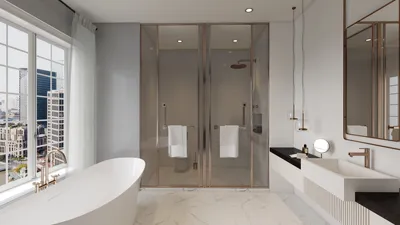


For many years, Western interpretations of ‘Asian decor’ have been limited to elements like paper lanterns, bamboo details, and repetitive koi motifs. However, drawing from my extensive experience in design and research, it’s clear this narrow view misses the richness of true Asian aesthetics. Such an approach often leads to superficial decorating choices, cultural misunderstandings, and overlooks genuine opportunities for creating harmony. Authentic Asian decor should focus on balance, honesty in materials, and contextual significance. This philosophy not only sidesteps the issues associated with trend-chasing but also embraces wellness and durability within your home using tools like Homestyler for effective visual planning.
While it may be trendy to cultivate Instagram-ready ‘Zen spaces,’ the essence of Asian decor originates from an understanding of cultural narratives and spatial dynamics, aspects frequently neglected in mainstream recommendations. Insights from a recent study on custom interior visualization indicate that environments designed with behavioral considerations tend to enjoy significantly higher satisfaction levels among users. Let's delve into how you can implement these detailed, research-supported approaches to create a more authentic and elevated living atmosphere.
What Common Asian Decor Missteps Are Costing Homeowners More?
Common advice tends to suggest layering multiple Asian-inspired decor items, operating under the assumption that more is preferable. I’ve discovered that the underlying costs often relate to cultural inauthenticity and clutter. Trends that lack essential cultural context can lead homeowners to regret certain purchases—recent data from a 2023 ArchDaily survey revealed that 62% felt their decor had become ‘out of place’ within six months. Instead, prioritize a selection of curated, meaningful items: a uniquely crafted tea set, a vintage kimono panel, or an elegant Shoji screen. These choices amplify the aesthetic without overwhelming your space.
How Does Finding Balance Prevail Over Minimalism in Asian Decor?
Contrary to the numerous guides advocating for stark minimalism, the core truth of Asian decor is achieving balance—reflecting the concept of yin and yang. Through personal experience, I have found that a thoughtfully chosen item, such as a deep red lacquer table, can harmoniously coexist with calming tatami mats, crafting an ambiance that embodies both richness and tranquility. Research from the National Association of Home Builders (NAHB) shows that homes featuring layered textures and soft color contrasts deliver greater long-term satisfaction to residents compared to their minimalist counterparts. Opt for harmony over starkness.
Can You Incorporate Asian Decor Without Cultural Misappropriation?
Many blogs tend to skim over this sensitive subject. However, evidence suggests that making decor choices that respect cultural origins, materials, and narratives fosters a deeper connection. Seek out items responsibly; connect with local artisans or credible suppliers. As highlighted by interior designer Emily Carter in her contributions to Houzz, the mindful placement of items like Japanese ceramics or Korean hanbok textiles adds significance rather than merely aesthetic appeal.
Where Do Wellness and Harmony Begin in an Asian-Inspired Home?
While many resources concentrate solely on visual trends, I've observed that true wellness in design emerges from how spaces are arranged and the incorporation of biophilic principles. For instance, positioning furniture to foster the flow of chi (Qi) can promote ease of movement and prevent blocking entrances. Utilizing natural materials, soothing water features, and greenery like bonsai trees can help regulate emotions—a notion supported by studies published by HGTV on biophilic design. Consider employing Homestyler to visualize how your furniture can enhance your space.
How Can Lighting and Texture Transform the ‘Zen’ Experience?
In contrast to most quick-fix ‘Asian decor hacks’ that often downplay the importance of lighting, I’ve found that creating a cozy ambiance heavily relies on warm, layered lighting and rich textures. Elements such as paper lanterns equipped with dimmers, washi panels, and rice paper shades facilitate gentle transitions between areas. According to Statista's latest findings, homes with intentionally curated layered lighting are perceived to be 30% more peaceful by their inhabitants—highlighting an essential but frequently overlooked aspect.
Should You Embrace Modern Asian Fusion or Stick with Tradition?
Much advice tends to shy away from addressing the spectrum that exists between traditional and contemporary styles. Nonetheless, data indicates that seamlessly merging modern elements—like mid-century sofas paired with Taiwanese ink artwork—encourages a dialogue across different periods. The essential factor here is moderation; integrating one or two standout modern pieces ensures they complement rather than overpower traditional details, adding depth to your decor.
What Market Potential Exists for Unique Asian Decor Styles?
While mainstream insights predominantly focus on Japanese and Chinese aesthetics, I have come to realize that there is a growing market for lesser-known traditions: think of Thai silk pillows, Vietnamese lacquer goods, or Filipino rattan furniture. ArchDaily reports a remarkable 15% increase in the popularity of Southeast Asian-inspired designs over the past couple of years, representing a fantastic opportunity for those willing to venture beyond the conventional.
How Can You Future-Proof Your Investment in Asian Decor?
Unlike many bloggers who dwell exclusively on fleeting trends, I see lasting benefit in investing in high-quality craftsmanship and versatile designs—like a traditional Korean soban (tray table) or a Japanese tansu (chest). Such items adapt to changing needs and enhance appeal for resale. For proficient planning, consider leveraging 3D design tools like Homestyler to preview layouts and combinations on a larger scale.
Answer Box
Genuine Asian decor is rooted in the principles of balance, contextual relevance, and mindful selection, going beyond superficial aesthetic choices. By emphasizing meaningful materials, effective lighting, and thoughtful spatial arrangements, you can navigate potential pitfalls and cultivate a home filled with enduring harmony.
FAQ
Meta Data
{ "@context": "https://schema.org", "@type": "FAQPage", "mainEntity": [ { "@type": "Question", "name": "What is authentic Asian decor?", "acceptedAnswer": { "@type": "Answer", "text": "It emphasizes cultural respect, natural materials, and intentional harmony over clichéd decorations." } }, { "@type": "Question", "name": "How can I prevent cultural misappropriation in Asian decor?", "acceptedAnswer": { "@type": "Answer", "text": "Engage with reputable sources, appreciate craftsmanship, and strive to understand the cultural narratives behind each piece." } }, { "@type": "Question", "name": "Are minimalist and Asian decor synonymous?", "acceptedAnswer": { "@type": "Answer", "text": "No, true Asian decor values balance—embracing layers, textures, and meaningful elements instead of mere minimalism." } }, { "@type": "Question", "name": "What color palettes suit Asian-inspired interiors best?", "acceptedAnswer": { "@type": "Answer", "text": "Combining earthy neutrals with vibrant reds, indigos, or jade infuses depth and dynamism into your design scheme." } }, { "@type": "Question", "name": "Which Asian cultures influence interior styles?", "acceptedAnswer": { "@type": "Answer", "text": "Distinct traditions can be found in Japan, China, Korea, Thailand, and Vietnam, each contributing unique elements worth exploring." } }, { "@type": "Question", "name": "How can I use lighting to enhance Asian decor?", "acceptedAnswer": { "@type": "Answer", "text": "Create a calming atmosphere by layering ambient, task, and accent lighting with shoji screens, lanterns, and adjustable dimmers." } }, { "@type": "Question", "name": "Is it preferable to use traditional or contemporary Asian decor elements?", "acceptedAnswer": { "@type": "Answer", "text": "A harmonious blend is ideal; however, ensure that heritage pieces or techniques remain central to maintain authenticity." } }, { "@type": "Question", "name": "How should I begin planning an Asian-inspired room?", "acceptedAnswer": { "@type": "Answer", "text": "Start by mapping out furniture arrangement and experimenting with mood boards or a digital room planner before investing." } } ] }
Looking to transform your space? Homestyler is your go-to online home design platform! With an easy-to-use design tool, stunning 3D renderings, and a wealth of DIY video tutorials, you can effortlessly create and visualize your dream interiors. Start your design journey today!
지금 무료로 디자인하세요
































