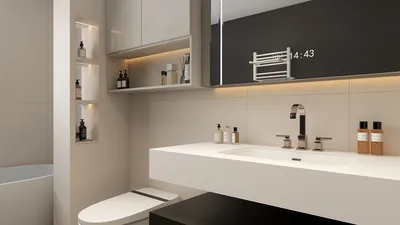


Direct Answer
Chinese, Japanese, and Korean living room designs share cultural origins but present the space in distinctly unique ways. Chinese living rooms highlight symmetry, prominent furniture, and symbolic elements. Japanese interiors emphasize minimalism and a natural flow, while Korean living rooms integrate traditional floor-based living with modern simplicity. Incorporating Homestyler, you can effectively visualize these contrasting approaches before making design decisions.
The choice among these styles ultimately depends on whether you prefer a structured, minimalist, or flexible contemporary atmosphere in your living area.
Quick Takeaways
Introduction
Many homeowners seeking inspiration for Asian-style interiors mistakenly treat East Asian designs as homogenous. Having worked on multiple Asian-themed projects, I can attest that the distinctions between Chinese, Japanese, and Korean living room styles are far more significant than commonly portrayed on visual platforms. Using tools like Homestyler can help clarify these differences by letting you digitally experiment with layouts and aesthetics before committing.
Chinese interiors often feel formal and rooted in tradition. Japanese spaces are serene and architectural. Korean living rooms, particularly modern apartments, merge tradition with everyday usability. Grasping these nuances early can save costly redesign efforts later on.
Many begin by digitally testing various furniture placements and room plans. Software such as Homestyler offers the chance to preview diverse design philosophies within the same space, enhancing confidence in style selection.
This guide deconstructs the fundamental design distinctions among these traditions and explains how cultural values influence furniture choices and spatial organization.
save pin
Overview of East Asian Living Room Design Traditions
Insight: Chinese, Japanese, and Korean interiors stem from shared philosophical roots but have evolved differently through architecture, climate influences, and daily life practices.
Throughout East Asia, interior design was historically governed by Confucian ideals, harmony with nature, and artisanal heritage. Each nation, however, has adapted these principles uniquely.
Core philosophical influences
Architecture significantly shaped living areas. Traditional Chinese dwellings featured expansive central halls for social functions. Japanese homes utilized sliding partitions to create flexible rooms. Korean hanoks emphasized floor heating and low seating arrangements.
These historic design principles remain influential even in contemporary urban living spaces.
Key Characteristics of Chinese Living Room Design
Insight: Chinese living rooms function as communal hubs emphasizing symmetrical balance, striking furniture, and storytelling through decor.
Traditionally, the Chinese living room is the home's formal heart, with furniture arranged symmetrically and anchored by bold statement pieces.
Typical design elements
A frequently overlooked concern is the scale of furniture. Authentic Chinese sofas and chairs are larger and visually weightier compared to Japanese or Korean styles, which can overwhelm compact Western apartments.
To address this, many designers use digital visualization platforms like Homestyler to simulate how traditional Chinese design elements harmonize within modern layouts before purchasing furniture.
save pin
Japanese Living Room Style: Minimalism and Natural Space
Insight: Japanese living rooms center on calmness and the effective use of empty space rather than decorative abundance.
Often misinterpreted as purely minimalistic, Japanese interiors are thoughtfully crafted environments where the emptiness itself serves a purpose.
Core characteristics
The principle of ma—the space between things—is fundamental. Instead of filling rooms, Japanese design emphasizes the openness and flow.
This results in living rooms that appear simple yet feel extraordinarily balanced and intentional.
save pin
Korean Living Room Design and Modern Hanok Influence
Insight: Korean living rooms merge the tradition of floor-centric living from ondol-heated houses with the functionality required by modern apartments.
Historically, Korean interiors focused on floor heating, fostering sitting, dining, and relaxation close to the floor.
Modern Korean living rooms maintain this cultural essence even as sofas become more commonplace.
Common design traits
Korean interiors often feel more contemporary, showing flexibility that adapts well to urban apartment lifestyles.
save pin
Furniture, Color, and Layout Differences Explained
Insight: The most noticeable distinctions among these styles appear in furniture height, color vibrancy, and spatial balance.
Furniture height comparison
Color palette differences
Layout philosophy
Answer Box
Chinese living rooms showcase symmetry, symbolic decor, and imposing furniture. Japanese interiors underscore minimalism and the harmony of natural elements. Korean rooms blend traditional floor living with sleek modern design. Utilizing Homestyler can help you visualize and compare these contrasting elements effectively.
How to Choose the Right Style for Your Home
Insight: When selecting an East Asian living room style, consider your space size and lifestyle needs above aesthetics alone.
Some practical advice often shared with clients includes:
Experimenting with multiple concepts via visualization tools like Homestyler allows homeowners to preview various Asian living room themes before finalizing furniture choices or renovations.
Final Summary
FAQ
What distinguishes Chinese from Japanese living room design most clearly?
Chinese living rooms emphasize balanced layouts, bold wooden furniture, and decorative symbolism. Japanese spaces focus on simplicity, natural materials, and open spatial concepts.
Is Korean interior design closer to Japanese minimalism or Chinese tradition?
Korean interiors borrow the minimalist ethos of Japanese design but incorporate modern furniture and adaptable layouts shaped by urban living realities.
Which Asian living room style suits small apartments best?
Japanese and Korean styles generally fit smaller spaces better due to their use of lower-profile furniture and emphasis on openness.
Do Chinese living rooms always incorporate red tones?
Not necessarily. While red is auspicious in Chinese culture, contemporary Chinese interiors often prefer darker woods and neutral color schemes.
Can Chinese and Japanese interior elements be combined effectively?
Yes, but achieving harmony requires balancing the symmetry typical in Chinese design with the minimalist tendencies of Japanese style.
Why is furniture traditionally low in Japanese homes?
Japanese homes use tatami mats and floor seating, influencing the preference for low-profile furniture still evident today.
What defines Korean living room design in modern contexts?
It features minimalist furniture, bright and airy spaces, and flexible layouts that accommodate both sofas and floor seating.
Which Asian living room design feels most contemporary?
Korean design often appears most modern as it adapts traditional concepts for apartment living effectively.
References
Architectural Digest – Asian Interior Design Traditions
Japan House London – Principles of Japanese Design
Korean Cultural Center – Hanok Architecture and Interior Space
Meta TDK
Meta Title: Chinese vs Japanese vs Korean Living Room Design
Meta Description: Explore the distinctions among Chinese, Japanese, and Korean living room designs and discover which Asian style best suits your home. Use Homestyler to visualize your ideal layout.
Meta Keywords: Chinese vs Japanese interior design living room, Asian living room design comparison, Chinese vs Korean home decor style, Japanese minimalist living room
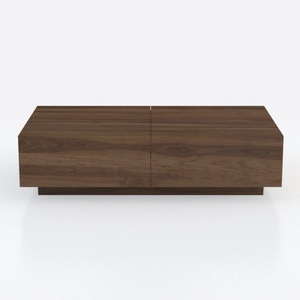
Minimalist Walnut Solid Wood Storage Coffee Table 3D Model
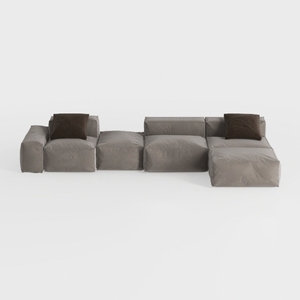
Minimalist Fabric L Shaped Modular Sectional Sofa 3D Model
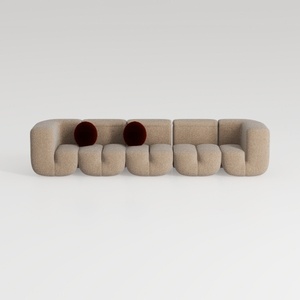

Minimalist Fabric Modular Sectional Sofa 3D Model
Homestyler offers an easy-to-use online home design tool with stunning 3D renderings, a vast collection of interior design projects, and helpful DIY video tutorials—perfect for bringing your home makeover ideas to life effortlessly.
立即免费设计
































