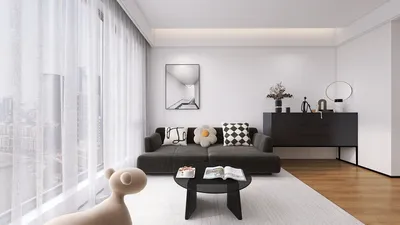


I once made the mistake of installing picture lights upside down in a client's entryway, causing the paintings to appear as if they were moody shadow puppets until I rectified the issue. This awkward experience taught me that while the concept of lighting for wall art may seem straightforward, it has a significant impact on the overall ambiance. Thoughtful lighting, particularly in smaller spaces, can transform a plain wall into a stunning gallery scene without consuming valuable floor space. Utilizing tools like Homestyler can greatly assist in visualizing these changes.
1. Versatile Adjustable Picture Lights
Adjustable picture lights are my first choice for illuminating most framed pieces due to their precision and discreet nature. They provide focused, controllable beams that enhance the texture and color of the artwork. However, I must consider the wiring complications and the potential for glare on glass. To combat this, I generally angle them slightly downward and opt for low UV output bulbs to protect prints. For those who rent, there are battery-powered options that can deliver a similar effect without the need for hard wiring.
save pin
2. Flexible Ceiling Track Lighting
My preferred choice for lighting multiple artworks is track lighting. This system allows the heads to slide and swivel, enabling the focus to be adjusted as art pieces are rotated. It works exceptionally well with asymmetrical arrangements; however, to avoid an overly industrial feel, I soften the appearance with narrow-beam LED lamps and warm color temperatures for a cozier ambiance. An added advantage of track lighting is that it helps conserve wall and floor space, making it perfect for small rooms, which aligns well with the design principles in Homestyler.
save pin
3. Sleek Recessed Accent Lights
Recessed accent lighting provides an unparalleled clean and gallery-like aesthetic; they offer subtle illumination that allows art to appear as if it’s floating off the wall. Although the installation process is more complex and requires strategic planning, the end result exudes a minimalist, high-end vibe. I suggest using adjustable trim to correct beam spread and opting for gimbal fixtures if ceiling angles are uneven, thus ensuring versatility in your lighting design.
save pin
4. Decorative LED Light Strips Behind Artwork
Using thin LED strips for backlighting generates a striking halo effect, especially effective with canvases or wall-mounted sculptures. This approach is not only energy-efficient but also friendly for DIY enthusiasts. Nonetheless, achieving uniform illumination can be challenging — I often incorporate diffusers and test color temperatures to avoid hot spots. This technique is ideal for highlighting a single focal piece dramatically without adding to the clutter in the space.
save pin
5. Wall Washers for Large Displays
Wall washer fixtures are perfect for evenly illuminating larger displays, such as gallery walls or oversized murals. They eliminate hot spots and accentuate the scale of the display. However, proper ceiling height and spacing are necessary to avoid unwanted shadows. In a compact living room I remodeled, wall washers helped transform a chaotic collage into a cohesive visual statement without altering the overall layout.
save pin
Tips 1:
When choosing art lighting, consider practical tips: select LEDs with a CRI of 90+ for true color rendering, aim for 200–300 lux for general art visibility, and maintain a warm color temperature between 2700K–3000K for homes. I often use temporary clamps to mock-up light positions before finalizing any hardwiring to avert headaches and prevent unnecessary holes in walls.
save pin
FAQ
Q: What color temperature is ideal for wall art?
A: I typically recommend a color temperature of 2700K–3000K for most home artworks, as it enhances warmth and skin tones. For vividly saturated contemporary pieces, a 3500K can offer a sharper feel, but it may appear cooler.
Q: What is the appropriate brightness for art lighting?
A: Strive for a brightness of about 200–300 lux in living areas; galleries may utilize higher levels, but at home, balancing comfort and emphasis is key. Installing dimmers can allow for light adjustments depending on the time of day.
Q: Are LEDs safe for my artwork?
A: Absolutely — modern LED lights emit minimal UV and heat when compared to halogen options. It's wise to choose high-CRI LEDs and maintain a small distance between the lights and artwork to mitigate long-term exposure risks.
Q: Is it possible to light art behind glass without causing glare?
A: You can minimize glare by angling the lights, utilizing anti-reflective glass, or selecting non-reflective frames. Positioning the lights above and slightly off-center aids in reducing reflections.
Q: What’s the best option for renters?
A: Battery-operated picture lights or adhesive LED strips are excellent for renters, as they eliminate the need for hardwiring and can be removed without damage.
Q: How can I avoid hotspots when using LED strips?
A: Implementation of a diffuser channel and ensuring consistent spacing of LEDs can help avoid hotspots; it's advisable to test the backlighting prior to securing the artwork to ensure an even glow. For technical advice, you can refer to the Illuminating Engineering Society (IES) which lays out standards on accent lighting.
Q: Should artwork be lit from the top or the bottom?
A: While top lighting is classic and typically reduces glare, bottom lighting can be effective for sculptural pieces, although it might create unusual shadows. I prefer to use top or slightly angled overhead lighting.
Q: Is it necessary to hire a professional for recessed light installations?
A: Hiring an electrician for recessed lights is advisable for safety and optimal results, particularly when dealing with ceiling installations. On the other hand, simple picture lights can be installed by DIYers comfortable with basic wiring.
save pin
Homestyler is your go-to online home design platform, perfect for anyone looking to unleash their creativity! With its user-friendly design tool, stunning 3D renderings, diverse design projects, and engaging DIY video tutorials, transforming your space has never been easier or more fun!
Concevez maintenant gratuitement
































