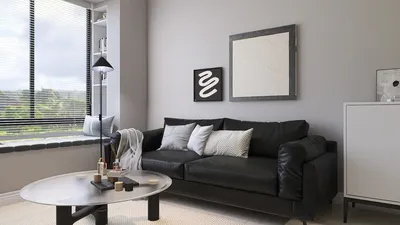


A client once approached me about painting an Art Deco mural directly onto a full-length mirrored wall — indeed, right over the sole mirror in their apartment. I was initially taken aback, but then I remembered that working in compact spaces demands innovative solutions. Before diving into sketches, I advised measuring the space to ensure that every element felt appropriately scaled and harmonious.
1. Geometric Gold Lines on Antique Mirror
I enjoy utilizing thin gold leaf or metallic paint to outline elegant chevrons and elongated hexagons across an aged mirror. This technique exudes luxury while keeping the space feeling airy — the reflection from the mirror contributes to a sense of spaciousness. The key challenge here is achieving precision; careful masking and a steady hand are essential, or alternatively, you can opt for stencils cut to the required size.
save pin
2. Sunburst Reverse-Paint Accent
Reverse painting (applying paint to the back of the glass) offers a subtle yet durable finish. Creating a sunburst effect around the mirror's edge generates a halo effect that maintains reflection clarity. This method is budget-friendly if you choose just one metallic and one matte color; however, bear in mind that layering and drying will require some extra time.
save pin
3. Black-and-Brass Framed Panels
I recommend dividing a large mirror into painted faux panels, featuring thin black dividers and brass leaf corners — a true nod to Art Deco style. This technique effectively frames reflections akin to an elegant window, while also concealing minor imperfections in the glass. Accurate measurements and sometimes creating a mockup are crucial to ensure proportionality, a strategy that saved me in the past when my first sketch appeared overly heavy.
Whenever proportions start to become challenging, I swiftly create a visual mockup to evaluate the scale — clients appreciate this preview before we finalize our painting plans.
save pin
4. Mirrored Mural with Stenciled Accents
For a fun twist, I love to stencil repeating Deco patterns (chevrons, fans, zigzags) using translucent paint, allowing the reflection to peek through. This approach is whimsical and lends itself to easy updates down the line. However, touch-ups might be necessary — translucent finishes tend to show fingerprints, so a protective clear coat is advisable.
save pin
5. Layered Mirrors with Painted Borders
Layering a smaller painted mirror above a larger one creates depth: paint a bold border on the smaller mirror and position it centrally. This layered design adds a dramatic flair without permanently altering the main mirror. If adjusting light direction is crucial, run a brief lighting study to observe how metallic paints reflect morning versus evening sunshine.
save pin
FAQ
Q1: Is painting on a mirror permanent?
The longevity of paints suited for glass adhesion largely relies on the application method and finish. Reverse painting stands as the most durable option, whereas surface paints might require a clear protective coat for optimal durability.
Q2: Can I use spray paint on mirrors?
Yes, but spray paint tends to spread quickly and may lead to drips on reflective surfaces. For crisp Art Deco lines, I suggest using metallic leaf, applying enamel with a brush, or employing sprays in tandem with stencils in light, even passes.
Q3: What paints work best for mirror art?
For optimal results, solvent-based enamels, glass paints, and acrylics designed for non-porous surfaces are recommended. To ensure longevity, consider reverse painting or sealing a front-painted design with a compatible clear coat.
Q4: Will painting a mirror reduce light?
Any painted area will obstruct reflection, but by using thin metallics, translucent paints, or allowing large reflective bands, you can maintain light levels. Design with negative spaces: a few painted elements shouldn't significantly darken the room.
Q5: How do I maintain painted mirrors?
Gently dust with a microfiber cloth and refrain from using abrasive cleaners on painted sections. If a protective clear coat was applied, maintenance becomes simpler — mild soap and water are sufficient for stubborn stains.
Q6: Are any designs historically accurate for Art Deco?
Indeed — sunbursts, chevrons, stepped forms, and mirrored symmetry were hallmark designs of the Art Deco movement from the 1920s and 1930s. The Victoria and Albert Museum showcases numerous original motifs within its decorative arts collection (Victoria and Albert Museum, V&A collection).
Q7: Can I remove paint from a mirror later?
Some paints can be removed using solvents like acetone, but exercise caution to prevent damage to the mirror backing. It's wise to test a small corner first and perhaps consult a professional for stubborn finishes.
Q8: How much should I budget?
A small DIY painted accent could cost less than $100 when purchasing paints and stencils; however, professional projects involving gold leaf or reverse painting typically incur higher fees due to labor and materials required. I always offer a tiered estimate so clients can balance style and budget.
save pin
Homestyler is an outstanding online home design platform perfect for all your decorating needs. With its user-friendly design tool, stunning 3D renderings, a plethora of inspiring design projects, and informative video tutorials, you can effortlessly create your dream space. Start designing today!
立即免费设计
































