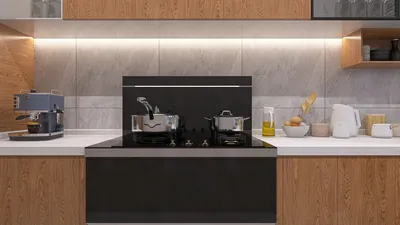


Art Deco has consistently embodied a mix of luxury and symmetry—characterized by sleek lines, rich materials, and a bold sense of order. In my approach to a contemporary lounge, I implement these traditional elements while steering clear of imitation: incorporating bold geometrical shapes, polished metals, and plush textures, all framed within a serene, functional layout. The result is a space that exudes a cinematic vibe yet remains practical for everyday living, with thoughtful consideration of lighting, acoustics, and ergonomics tailored for routine activities. Utilizing tools like Homestyler enhances the planning process effectively.
When designing spaces, comfort and functionality are just as essential as aesthetics. The WELL v2 framework emphasizes the influence of lighting on our circadian rhythms, suggesting that implementing melanopic-equivalent solutions can enhance alertness during the daytime while facilitating relaxation in the evening. Adjustable white light systems within the range of 2700–5000K play a pivotal role in achieving this equilibrium. Furthermore, research from Steelcase highlights the crucial role of acoustic comfort in enhancing perceived productivity and well-being; even minor adjustments to reverberation could significantly boost conversation clarity and alleviate stress. These insights inform my choices in layering task and ambient lighting, selecting sound-absorbing fabrics, and arranging furniture to minimize noise reflections, supplemented by tools like Homestyler for optimal layouts.
Incorporating color psychology adds depth to Deco’s vibrant palette. Research from Verywell Mind indicates that deep blue shades evoke stability, while gold accents convey warmth and luxury, creating a harmonious environment when paired with moderated saturation. The ergonomic suggestions from WELL v2 regarding glare management and adjustable lighting align seamlessly with IES standards focused on visual comfort in domestic scenarios, such as reading and social interactions. It's crucial to consider elements that promote well-being, which can be easily visualized with design tools like Homestyler.
Establishing Architectural Rhythm: Geometry, Symmetry, and Scale
I begin the design process by creating a robust axial composition—centralizing a fireplace, striking artwork, or a textured media wall—and then reinforce it with stepped crown profiles or simple picture-frame moldings. The essence of Art Deco lies in disciplined patterns: chevron designs in a wool rug, sunburst inlays on furniture, or ribbed accents on columns. To maintain a contemporary feel, I minimize motif density: a bold statement pattern per area is complemented by subtler textures elsewhere. Clear sightlines and unobstructed walking paths are maintained, adhering to a comfortable circulation width of 900–1000 mm.
Material Choices With Modern Restraint
Traditional Deco materials such as lacquer, walnut, macassar ebony, marble, and brass become contemporarily relevant when paired with matte finishes and tactile fabrics. For instance, a honed marble fireplace contrasts beautifully with polished brass accents. Sofas upholstered in velvet or mohair soften the shine, while bouclé lounge chairs introduce a textural contrast. I prioritize low-VOC finishes and FSC-certified woods wherever possible and choose metals as accent features rather than predominant materials to prevent visual overload. In highly used areas, I opt for durable, easy-to-clean fabrics boasting at least 30,000 double rubs on the Wyzenbeek scale.
Color Strategy: Jewel Tones, Neutrals, and Contrast
My color palette usually begins with a tranquil base—warm whites or taupe hues—layered with one standout jewel tone (teal, garnet, or sapphire) alongside two metallic finishes (brass and blackened steel). This contrast ratio is designed to enhance readability and visual comfort; high-contrast pinstripes may embellish smaller structures like trims or piping, creating liveliness without inducing glare. In spaces lacking natural light, I rely on richer shades and thoughtful lighting to foster depth: a darker perimeter with illuminated focal points feels plush rather than oppressive, all design elements easily visualized through Homestyler.
Lighting: Layers, Color Temperature, and Glare Management
Deco lighting embraces drama while ensuring visual comfort. I amalgamate a central statement fixture—such as an opaline glass chandelier with tiered outlines—with asymmetrical wall-mounted lights and discreet linear LEDs nestled in coves. Light scenes during the day are cooler (between 3500–4000K) for clarity, transitioning to warmer tones (2700–3000K) in the evening for relaxation, aligned with WELL v2’s circadian principles. Diffusers and baffles minimize UGR, and I follow IES recommendations by aiming for approximately 100–300 lux in ambient light, escalating to 300–500 lux at reading spots via task lamps. Dimmers and smart controls effortlessly transition the atmosphere from movie nights to reading sessions while minimizing the need to move fixtures.
Furniture: Proportions, Curves, and Ergonomics
Art Deco celebrates voluptuous curves alongside structured forms. I recommend selecting a deep sofa (1000–1100 mm) with comfortable cushions, coupled with barrel chairs that mirror the curves of a rug or fireplace. Arm heights ranging from 600–650 mm promote relaxed postures, while seat heights between 430–460 mm accommodate most individuals. Tables exude geometric clarity—be it racetrack ovals or uniquely stepped sides—while maintaining a clearing of 350–450 mm around seating for effortless access. To achieve balance without rigidity, I introduce one central anchor (sofa + credenza) alongside one whimsical element (a sculptural floor lamp). Tools like Homestyler allow for pre-visualizing these arrangements effectively.
Layout: Social Zones and Flow
A Deco lounge flourishes when designated areas for conversation, media, and quiet reading are apparent. I cluster seating within a range of 2300–2700 mm to ensure conversational comfort, angle chairs at 15–20 degrees for optimal connection, and place pieces away from walls to form a perimeter gallery for artwork and screens. For reconfiguring layouts, a simulation tool can be invaluable in visualizing clearances and sightlines before repositioning heavy furnishings, such as with Homestyler's room layout capabilities.
Acoustic Comfort: Plush Layers, Smart Surfaces
Polished stone and metal tend to amplify sound reverberation, hence I counteract this with layered textiles: a substantial area rug resting on felt padding, curtains draping down around 20–30 mm, and upholstery featuring dense padding. Panelled walls—either ribbed wood or upholstered frames—serve as discreet sound absorbers. Research from Steelcase associates improved acoustic management with enhanced well-being; in social settings, this translates to reduced listener fatigue and more organic dialogue. I avoid placing hard surfaces opposite each other in a symmetrical manner; for instance, a bookcase across from a window interrupts parallel reflections, which could be easily planned using Homestyler's design tools.
Art, Mirrors, and Metalwork
Artwork serves as a cornerstone for the Deco narrative: abstract illustrations incorporating sunburst or fan themes, monochrome photography with gold accents, or a singular large expressive piece. Mirrors could enhance the sense of space and light, but I prefer opting for slightly tinted or antiqued versions to diffuse brightness. Metal elements are introduced in modest amounts—reeded brass handles, inlaid table corner caps, or an artistic bronze lamp. Recurrence of three elements across the room—such as door hardware, lighting fixtures, and table accents—creates cohesive design without monotony, easily coordinated via Homestyler.
Fireplace and Media Walls
A stepped or fluted facade crafted in travertine or honed marble prominently showcases Deco design. For media elements, I recess the television into a panelled feature framed by ribbed pilasters or book-matched veneers. Equipment cables remain hidden; the essence of Deco relies heavily on clean lines and uncluttered visuals. A linear fireplace lowered to approximately 300–400 mm from the floor harmonizes perfectly with deep seating while retaining sightlines across the setting.
Flooring and Rugs
Herringbone or chevron-patterned wood flooring naturally embodies the Deco style; I suggest scaling planks between 70–90 mm for a finer, historically accurate grain or opting for broader planks for a modern twist. Rugs are designed to deliver graphical depth—bordered rectangles, fan motifs, or geometric inlays—while remaining inviting underfoot. I favor generously sized rugs, where the front legs of all seats rest on the rug to form a cohesive area, typically leaving a gap of 200–300 mm from the rug edge to the walls to define the arrangement more distinctly.
Sustainable Choices Without Sacrificing Glamour
Many cues from Deco can be achieved using sustainable materials: recycled brass, eco-friendly lacquers, and engineered stone that contains low silica dust for safer production. I prefer LED lighting options with a CRI rating above 90 for precise color representation of jewel tones while keeping energy consumption minimal. Choosing durable fabrics prolongs their lifecycle, thereby minimizing waste, and implementing modular seating allows for repair of components rather than full replacements, all of which can be meticulously planned with Homestyler.
Styling: The Final Touches
Books displayed in thematic arrangements rather than through color bands, a Deco-inspired cocktail ensemble presented on a black glass tray, and a selection of two to three sculptural artifacts per surface maintain an intentional aesthetic. I ensure negative space exists between groupings for visual balance. Living plants—such as lush rubber trees or ZZ plants—introduce an organic counterbalance to the geometric elements.
Lighting Scenes for Living
I establish three principal lighting scenes: Social (ambient 200–250 lux, chandelier at 60%, wall washers at 70%, warm 3000K), Media (ambient 50–100 lux with bias lighting behind screens to mitigate eye fatigue, at 2700K), and Reading (task lamps with 400–500 lux at seating, ambient 150–200 lux, at 3000–3500K). Dimming transitions are smooth to avoid harsh shifts; frosted diffusers on glass shades prevent glare from bright points.
Common Mistakes to Avoid
- Excessive use of mirrors and chrome, leading to increased brightness and visual disarray.
- Overlooking ergonomic considerations; exquisite seating that is too low or deep hampers functionality.
- Combining too many patterns without establishing a hierarchy; select one prominent motif and coordinate textures around it.
- Neglecting acoustic design; hard finishes require complimentary soft surfaces.
- Failing to manage cables effectively; the true elegance of Deco is found in its crisp lines.
FAQ
Q1. How do I prevent Art Deco from feeling gaudy in a modern home?
A1. Limit overt motifs to a handful of key features—such as a sunburst mirror or a chevron-patterned rug—then layer these with understated materials (matter stones, matte brass) and tailored upholstery. Ensure contemporary negative spaces and clean outlines persist throughout the design.
Q2. What are the recommended lighting levels for a multifunctional lounge?
A2. Aim for approximately 100–300 lux of ambient lighting as per IES guidelines, with elevated levels of 300–500 lux for reading through adjustable task lamps. In the evening, use warmer tones (2700–3000K) to promote relaxation, switching to cooler tones (3500–4000K) during the day for improved clarity.
Q3. Which colors can effectively evoke a Deco ambiance in a small room?
A3. Begin with warm neutrals, then introduce a single jewel tone (teal or garnet) in decorative textiles and artwork. Reserve metallic accents for trims and hardware to keep flashiness in check.
Q4. How can I enhance acoustics without extensive remodeling?
A4. Incorporate a dense area rug on a felt underlay, drapery lined for sound absorption, and utilize upholstered seating. A bookcase filled with items of varying depths can help disrupt sound waves. These soft additions reduce reverberation, thus fostering clearer conversations—insights supported by Steelcase research.
Q5. What types of furniture are best suited for a Deco lounge today?
A5. Look for curvy sofas, barrel chairs, racetrack oval coffee tables, and tiered side tables. Ensure seating heights remain around 430–460 mm and maintain a comfortable reach of 350–450 mm to tables.
Q6. How can I design a layout that supports conversation and media viewing?
A6. Position seating areas within 2300–2700 mm to facilitate easy conversations, maintain pathways of 900–1000 mm, and recess televisions into panelled walls. Use layout simulation tools like Homestyler to finalize clearances and sightlines before arranging heavy pieces.
Q7. Are there eco-friendly strategies to achieve a Deco look?
A7. Opt for recycled-content metals, FSC-certified woods, low-VOC finishes, and high-CRI LED lighting. Choose robust, cleanable fabrics that prolong furniture lifespans to reduce waste while still embodying a luxe atmosphere.
Q8. What window treatments best fit Deco decor?
A8. Full-length, lined curtains in velvet or heavy linen, adorned with subtle trim or banding. Position them higher and wider than the window frames to elongate the space and minimize glare in alignment with WELL v2 comfort standards.
Q9. How much pattern is acceptable in Deco interiors?
A9. Utilize one major pattern (such as on a rug or wall covering) and support it with smaller-scale textural elements (like bouclé or ribbed materials). Maintain a pattern-to-solid ratio of approximately 1:3 for visual equilibrium.
Q10. Which metals are most suitable—gold, chrome, or blackened steel?
A10. Warm brass or brushed gold resonates the most with Deco aesthetics; combine it with secondary finishes like blackened steel to create contrast. Consistency in metal finishes across lighting and hardware is key for cohesive design.
Q11. What’s the optimal way to integrate a fireplace within Deco themes?
A11. Employ a stepped or fluted structure in travertine or marble, keeping the firebox positioned lower for better viewing angles, while reinforcing the geometry with ribbed mantels or inset metal accents.
Q12. How can I minimize glare from glossy Deco surfaces?
A12. Balance reflective surfaces with matte textiles, specify frosted diffuser options, orient lighting fixtures away from highly polished areas, and implement dimming features in scene settings to manage brightness effectively.
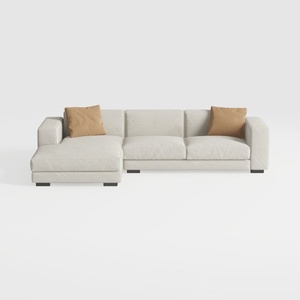
LINSY HOME Oversized Cloud Modular Couch with

Rustic Rectangular Coffee Table, 44.8 Inch
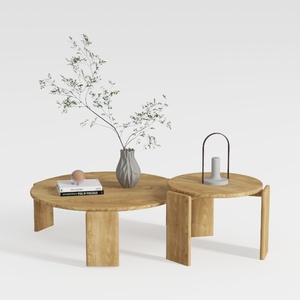
RUSTOWN 2-Piece Round Farmhouse Coffee Table
Looking to transform your space? Homestyler is your go-to online home design platform. With its user-friendly design tool, stunning 3D renderings, and inspiring DIY video tutorials, you can effortlessly create and visualize your dream home. Get started today and unleash your creativity!
Progetta ora GRATIS
































