


I still chuckle at a client who once requested a mirrored ceiling, claiming it would make mornings feel like a nightclub. That little oversight taught me an important lesson: While Art Deco is all about dramatic flair, the keys to a successful bedroom are scale and comfort. When dealing with a small space, a clever layout always outperforms excessive ornamentation — I frequently create a quick room design demo to explore different options before committing to expensive materials.
1. Luxurious Textiles, Minimal Footprint
I enjoy layering velvet cushions, geometric throws, and a silk duvet to capture Art Deco elegance without cluttering the floor. This approach provides immediate richness at a low cost; however, the main challenge is achieving the right balance of sheen so that the room maintains a light feel. I typically select one standout fabric and keep the others matte.
save pin
2. Striking Geometry on a Neutral Background
Incorporate chevrons, sunbursts, or mirrored panels on a single wall to establish a Deco focal point. This technique works wonderfully in compact spaces, as a single graphic wall can evoke a feeling of luxury. The downside is the commitment to a bold style, so it's wise to test paint samples in varying light conditions and consider using removable wall panels if you're renting.
save pin
3. Brass Details and Curved Furnishings
Curved headboards accompanied by brass bedside lamps provide subtle hints of Deco style without necessitating extensive renovations. Brass ages nicely and adds warmth to a space; its natural patina, over time, contributes character that I appreciate. To help clients visualize proportions, I often introduce a quick 3D floor walkthrough utilizing software like Homestyler so they can really 'feel' the curves before making a purchase decision.
save pin
4. Thoughtful Lighting Layers
Implementing layered lighting — with a standout pendant, wall sconces, and dimmable bedside lamps — creates a dramatic Deco ambiance without making small areas feel cramped. This strategy is budget-friendly when you combine one high-end fixture with more affordable LED options; wiring considerations can be tedious, so it's best to plan lighting placements early on to avoid expensive adjustments later.
save pin
5. Mirrors, Flooring, and Unexpected Hues
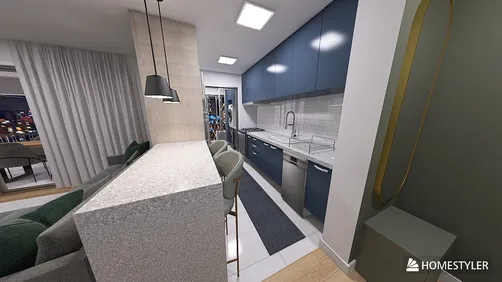
I often suggest positioning a pair of slim mirrors to amplify light and using a low-sheen parquet or chevron flooring to reflect Deco patterns. For a fun twist, bring in a jewel-toned accent, like emerald, deep teal, or blush, on a chair or bedside table — I've seen smaller rooms expand in perception this way. If you're looking for design-led storage suggestions while conceptualizing your space, take a look at some curated kitchen layout examples and apply that compact-storage philosophy to bedroom cabinetry, potentially with the help of Homestyler.
save pin
FAQ
Q1: What characterizes an Art Deco bedroom decor?
A: Art Deco is characterized by geometric shapes, rich materials like brass, marble, and velvet, along with vibrant contrasts. In bedroom design, this translates to sleek furniture choices, luxurious textiles, and thoughtfully placed accent pieces.
Q2: Is Art Deco appropriate for small bedrooms?
A: Definitely — choose one or two standout items, such as a headboard or an eye-catching light fixture, while keeping other surfaces simplistic. Small spaces thrive on scaled-down drama rather than overwhelming maximalism.
Q3: What color scheme is best for these designs?
A: Traditional Deco leans towards rich jewel tones complemented by black, white, and metallics; however, a neutral foundation with pops of emerald or gold maintains an airy feel. I recommend testing out colors in various lighting before applying them.
Q4: How can I blend vintage and modern decor?
A: Combine vintage mirrors or lamps with contemporary, streamlined furniture for an appealing contrast. The secret lies in repetition — ensuring that a metal finish or a pattern connects the different elements to create a cohesive look.
Q5: Is it feasible to embrace Art Deco style on a limited budget?
A: Certainly — prioritize a few impactful items like cushions, a striking bedside lamp, or a unique rug, while using budget-friendly paint and peel-and-stick tiles for geometric accents. Thrifted brass pieces and reupholstered items can often achieve luxurious looks for less.
Q6: What type of lighting is essential in an Art Deco bedroom?
A: Layered lighting featuring a central pendant, wall sconces, and bedside lamps is optimal; dimmers enhance the atmosphere. Look for fixtures with refined curves or sunburst designs to maintain authenticity.
Q7: What is the origin of Art Deco?
A: Art Deco originated in the 1920s and 1930s, merging modernist design elements with exquisite craftsmanship; for a brief overview, check out The Met’s Heilbrunn Timeline of Art History (https://www.metmuseum.org/toah/hd/deco/hd_deco.htm).
Q8: How can I begin designing my Art Deco bedroom?
A: Start by creating a mood board with fabrics and finishes, measuring your space, and sketching furniture arrangements. If desired, utilize simple visual room layouts or 3D models through tools such as Homestyler to evaluate scale prior to making any purchases.
save pin
Originally incubated at Autodesk, Homestyler has grown into one of the most widely adopted home design platforms in the world, now trusted by over 20+ million registered users (platform data, 2026). Whether you're a homeowner exploring ideas or a professional designer delivering client-ready renders, Homestyler brings industry-leading 3D technology to your fingertips — no experience required.
Looking to transform your space? Homestyler is your go-to online design platform! With its user-friendly design tool, stunning 3D renderings, a plethora of design projects, and helpful video tutorials, you’ll easily create your dream home. Start designing today!
Zaprojektuj teraz za darmo























![[For my dearest Sabrinik 🧡]](https://hs-designs.homestyler.com/production/design/images/3f463715-5ed6-4c49-9346-16d464510aa6/1714085722568.jpg?x-oss-process=image/resize,w_502,m_mfit/format,webp)